Iran Hasn’t Rebuilt Nuclear Sites, According To Nuclear Watchdog
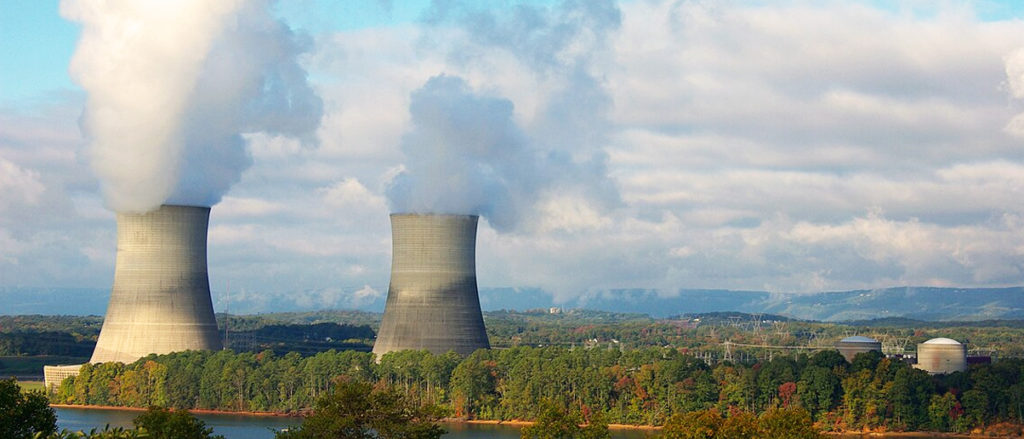
International nuclear inspectors have detected no attempts by Iran to rebuild nuclear facilities damaged by American and Israeli airstrikes.
Francis Kapper·Oct 28, 2026·5 min read
Sponsored
International nuclear inspectors have detected no attempts by Iran to rebuild nuclear facilities damaged by American and Israeli airstrikes.
Monitoring efforts have uncovered no reconstruction activity at Iranian nuclear facilities damaged in military operations during 2025 and 2026, the head of the International Atomic Energy Agency (IAEA), Director General Rafael Grossi, told the United Nations (UN) on Tuesday. However, inspectors remain unable to verify the whereabouts of hundreds of kilograms of highly enriched uranium, raising questions about Tehran’s remaining nuclear capabilities.
“Since June 2025, we have not identified any activity to repair or reconstruct,” Grossi told the Security Council, according to the UN transcript.
This assessment is in line with previous statements from the Pentagon and other U.S. officials.
Iran’s nuclear facilities suffered extensive damage during American strikes in June 2025, including attacks on Fordow, Natanz and Isfahan, according to the Pentagon.
. Gabbard also said Tehran had made no attempts to restore its enrichment capabilities, with entrances to bombed underground facilities buried and sealed with cement.
Gabbard reaffirmed those findings when Democratic Georgia Sen. Jon Ossoff questioned whether American intelligence agencies believed Iran’s enrichment program had been destroyed and whether Tehran had attempted to rebuild it. She answered “Yes” to both assessments, according to the Senate hearing.
However, Gabbard declined to say whether American intelligence agencies believed Iran posed an imminent nuclear threat before the U.S. launched its February offensive. She argued that President Donald Trump alone could determine whether a threat was imminent, while acknowledging that Iran retained the intention to rebuild its enrichment capabilities, according to the Senate hearing.
The U.S. launched another major military campaign against Iran on Feb. 28, 2026, targeting its missile capabilities, naval forces and military infrastructure, according to the Pentagon. President Donald Trump’s administration identified preventing Iran from obtaining nuclear weapons as a central objective.
Secretary of War Pete Hegseth subsequently claimed American operations struck nearly 80% of Iran’s nuclear industrial base, further undermining Tehran’s ability to develop atomic weapons, according to an April 8 Pentagon briefing.
The findings suggest Iran has not visibly attempted to restore its damaged nuclear infrastructure despite repeated American warnings about Tehran’s nuclear ambitions. However, Grossi cautioned that monitoring cannot replace physical inspections, according to the UN transcript.
The IAEA has been unable to verify the location of approximately 970 pounds (440 kilograms) of highly enriched uranium previously declared by Iran, Grossi told the Security Council. Inspectors have lacked access to most Iranian nuclear facilities since American and Israeli strikes disrupted inspections in June 2025.
Iran possessed an estimated 440.9 kilograms of uranium enriched to 60% purity before those attacks, according to a September 2025 IAEA report. Uranium enriched to that level is approaching the 90% purity generally associated with nuclear weapons.
The IAEA also cannot verify whether previously declared nuclear material has been diverted from civilian purposes, Grossi told the UN.
However, the latest IAEA findings offer no confirmation that Iran has permanently abandoned its nuclear ambitions. The agency cannot independently establish the current condition of many nuclear facilities without inspectors on the ground, according to the UN.
Grossi specifically requested access to the Isfahan Fuel Enrichment Plant, a new uranium enrichment facility Iran announced plans to establish on June 12, 2025. The IAEA scheduled an inspection for the following day, but the visit was canceled when Israeli airstrikes began, according to a September 2025 IAEA report.
The Bushehr nuclear power plant remains an exception, with inspectors conducting verification activities there, Grossi told the Security Council.
The findings follow a September decision by the IAEA Board of Governors to refer Iran to the Security Council over continued violations of nuclear safeguards obligations, according to the British government.
Russia and China opposed Tuesday’s meeting, arguing that the Security Council lacked grounds to revisit Iran’s nuclear program under the existing agenda. Their objections failed in an 11-2 procedural vote, with two countries abstaining, according to the UN.
Iranian Deputy Ambassador Gholamhossein Darzi condemned the American and Israeli strikes, accusing Washington of aggression and insisting Tehran’s nuclear activities remain peaceful, according to the UN transcript.
U.S. Ambassador to the UN Mike Waltz rejected Iran’s arguments, demanding that Tehran explain its continued failure to comply with nuclear inspection obligations, according to the UN transcript.
Grossi urged Iran to cooperate with inspectors and pursue gradual diplomatic measures to restore international confidence in its nuclear program. A lasting resolution would require credible inspections and verification rather than military action alone, he told the Security Council.
All content created by the Daily Caller News Foundation, an independent and nonpartisan newswire service, is available without charge to any legitimate news publisher that can provide a large audience. All republished articles must include our logo, our reporter’s byline and their DCNF affiliation. For any questions about our guidelines or partnering with us, please contact [email protected].