




JAMES CARTER: Affordability A Market Lesson Washington Keeps Forgetting
Affordability. It is the hot, new political slogan, a catch-all lament for the frustrations of daily economic life. But behind the chatter — behind the talk of grocery bills that resemble mortgage payments and jokes…
Affordability. It is the hot, new political slogan, a catch-all lament for the frustrations of daily economic life. But behind the chatter — behind the talk of grocery bills that resemble mortgage payments and jokes about needing a loan for a fast-food meal — sits a very old economic truth: when government mishandles money, prices tell the tale.
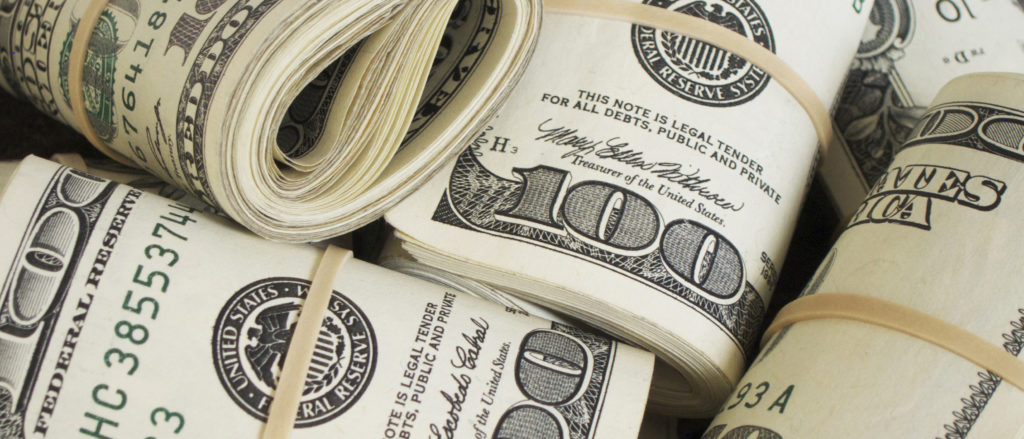
Over the past several years, Americans have endured what many have taken to calling “Bidenflation.” However partisan the term, the underlying reality is undeniable. The nation has experienced a price-level increase of more than 20 percent — an inflationary burst that hits hardest those least able to bear it: Seniors. Workers on fixed incomes. Families living paycheck to paycheck.
Inflation is not just an economic measure. It is a moral issue. It punishes prudence, erodes savings, and quietly transfers wealth from responsible citizens to an irresponsible state.
The reason is simple. Inflation is a form of taxation — one that requires no legislation, no debate, and no political courage. It results when the supply of money grows faster than the output of goods and services. Washington has long preferred this hidden tax to the more visible and politically costly kind. But the bill always comes due. Inflation is the mechanism through which government deficits express themselves in the real economy. What begins as a political convenience in Washington, D.C., ends as a higher grocery bill in Des Moines.
But beyond the monetary mismanagement lies a deeper error —one that goes to the heart of what a market economy is and how it functions. Prices are not arbitrary numbers that can be manipulated at will, as politicians often believe. They are signals — vital information that coordinates the behavior of hundreds of millions of individuals, none of whom could possibly know what everyone else wants, needs, or produces.
When prices rise, they tell producers where demand is strong. When prices fall, they warn that resources should flow elsewhere. This spontaneous, decentralized, and marvelously efficient system is the essence of a free economy. To “address affordability” by distorting these signals — through price controls, subsidies, punitive regulations, or political browbeating — is to blindfold the very mechanism that allows prosperity in the first place.