



JD FOSTER: Senator Paul Is Mostly Right And A Little Wrong About The Big, Beautiful Bill
Senator Rand Paul (R-KY) says he can’t support the “Big, Beautiful Bill” as reported out of the House. His criticism is on point – soaring federal debt. Unfortunately, and it pains me to say this of such a consistently…
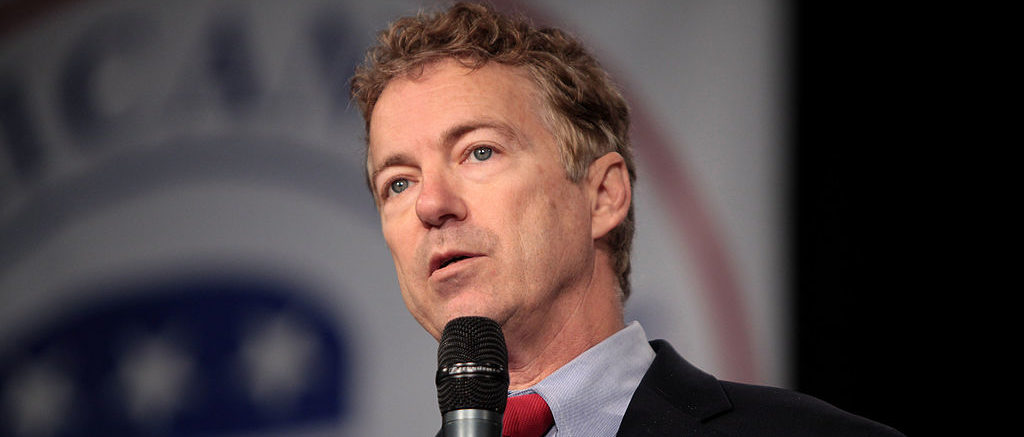
Senator Rand Paul (R-KY) says he can’t support the “Big, Beautiful Bill” as reported out of the House. His criticism is on point – soaring federal debt. Unfortunately, and it pains me to say this of such a consistently commendable senator, Paul’s command of the big picture suffers for his flawed finer points.
First, Paul opposes raising the debt limit by $4 trillion. Keep in mind the debt limit has yet to limit any growth in the publicly held debt, which is why it now stands at $29 trillion and thus appropriately gives Paul heartburn.
Congress raises the debt limit to reflect debt that will be issued under the spending and tax legislation Congress has already or is about to pass. Want to slow the rate of indebtedness? Cut spending. Medically speaking, complaining about the debt limit increase is to complain about symptoms while ignoring causes. Worse, suppose the debt limit increases by only $2 trillion, about the minimum under any conceivable budget outcome this year. What happens?
Congress raises the debt limit again next year. If it’s a one-year respite and no other policies change, then it will likely be up another $2 trillion. Without changes in policy, Congress would then over the next decade raise the debt limit by $20 trillion. Did fighting over the debt limit today change the amount of debt issued over the decade? Not. One. Blessed. Dollar. Senator Paul is rightfully concerned about rising debt, arguing he wants “to see the $5 trillion in new debt removed from the bill.” According to the much-critiqued CBO score, the bill would increase the debt by $2.4 trillion. Where did the $5 trillion figure come from?
We can only guess, but using round figures CBO shows spending falling by $1.3 trillion and revenues falling by $3.7 trillion. Add’em up and you get $5 trillion. But you don’t add them up. You net them as CBO did to get a suggested net debt increase of…$2.4 trillion.
And now the great perversity — what CBO scores as a cut in revenue is mostly the prevention of a tax hike – the $4.7 trillion tax hike avoided by extending the 2017 Trump tax cuts.
That sentence may make your hair hurt, so let’s unpack it. CBO assumes spending programs continue even when, by law, they expire. Suppose a new program increases Medicare outlays by $100 billion for the next two years and then stops. In its initial scoring, CBO would show that program costing $200 billion. But when formulating its next budget projections, CBO would assume that program continues indefinitely. Reasonable. The two-year limit on the program was a budget gimmick to disguise the program’s cost, with every expectation of Congress extending the program.