



Joe Kent Flagged Iran As Serious Threat In Past Posts
A sudden resignation inside President Donald Trump’s national security apparatus is raising eyebrows — and resurfacing a trail of past statements that appear to clash sharply with the reason given for stepping down. Joe…
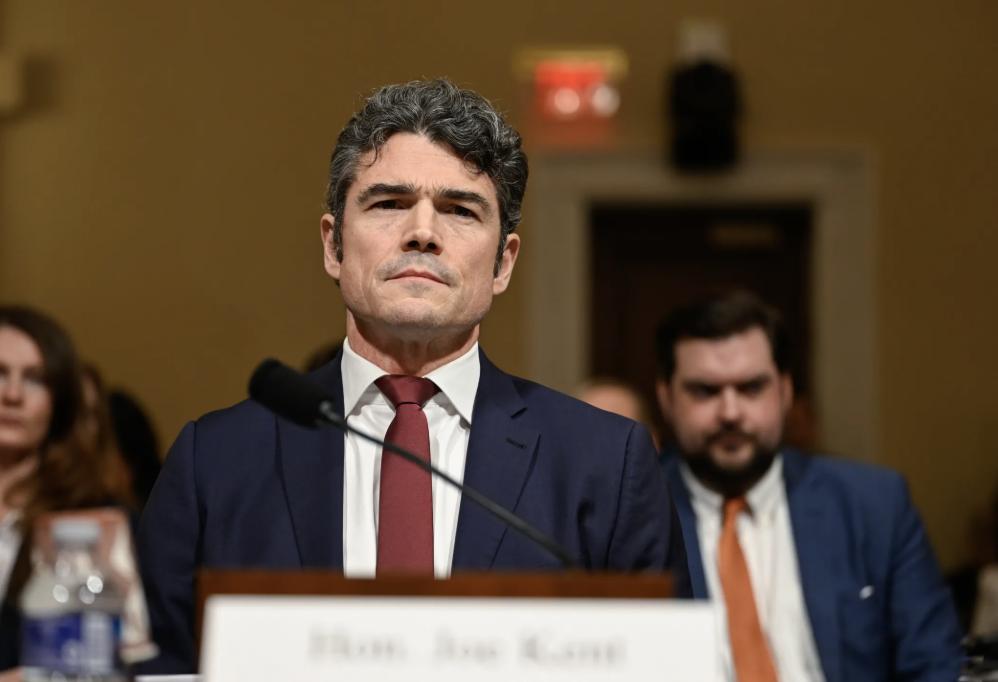
A sudden resignation inside President Donald Trump’s national security apparatus is raising eyebrows — and resurfacing a trail of past statements that appear to clash sharply with the reason given for stepping down.
Joe Kent officially resigned on March 17, 2026, from his role as Director of the National Counterterrorism Center, citing opposition to ongoing U.S. military action against Iran. In his resignation letter, Kent made his position clear, stating he “cannot in good conscience support the ongoing war in Iran” and arguing that Tehran “posed no imminent threat” to the United States.
He went further, claiming the conflict was driven by “pressure from Israel and its powerful American lobby,” while warning that continued involvement in the Middle East would cost American lives and drain national resources. Drawing on his own military background and experience as a Gold Star husband, Kent framed his decision as a refusal to support sending more Americans into what he described as an unnecessary war.
But Kent’s earlier public remarks are now drawing renewed scrutiny — and they tell a notably different story.
In multiple posts spanning several years, Kent repeatedly described Iran as a serious and persistent threat, at times even advocating for direct military action against its capabilities.
In a January 2020 post, Kent acknowledged vulnerabilities posed by Iran’s weapons and regional proxies, while also suggesting that stronger action could be warranted. He explicitly stated that he believed the United States should have “crushed their ballistic & nuke capes,” referring to Iran’s missile and nuclear programs, though he also expressed confidence in Trump’s strategic restraint at the time.
By 2024, Kent’s rhetoric had sharpened further. In late September, he linked Iran directly to broader instability in the Middle East, including the events surrounding October 7, arguing that Tehran sought to undermine regional alliances like the Abraham Accords. He credited Trump-era policies — including targeted strikes and the killing of Iranian General Qassem Soleimani — with containing Iran and strengthening U.S. and allied security.