



Karoline Leavitt Says Trump Wants To Primary GOP Reps Who Voted Against ‘Big, Beautiful Bill’
White House press secretary Karoline Leavitt said Thursday that President Donald Trump wants to primary the two Republican congressmen who voted against the “big, beautiful bill.” Republican Reps. Thomas Massie of…
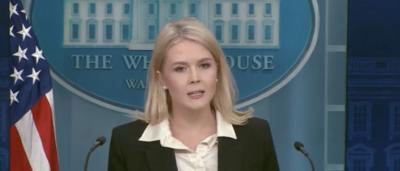

White House press secretary Karoline Leavitt said Thursday that President Donald Trump wants to primary the two Republican congressmen who voted against the “big, beautiful bill.”
Republican Reps. Thomas Massie of Kentucky and Warren Davidson of Ohio voted against the sweeping tax and spending package backed by Trump, which is set to enact the economic agenda he campaigned on. Leavitt confirmed during the White House briefing that Trump wants to primary these two congressmen because he does not like to see “grandstanders” in Congress.
“I believe does,” Leavitt said in response whether Trump wants to primary them. “And I don’t think he likes to see grandstanders in Congress. What’s the alternative, I would ask those members of Congress. Do they want to see a tax hike? Do they want to see our country go bankrupt? That’s the alternative of them trying to vote ‘no’ and the president believes that the Republican Party needs to be unified and the vast majority of Republicans clearly are and are listening to the president. They are trusting in President Trump as they should because there’s a reason he’s sitting in this Oval Office, it’s because he’s the unequivocal leader of the Republican Party.”
“And not just a leader for Republicans, but all Americans. The president’s approval rating is at an all-time high right now and it’s because he knows how to deliver and Republicans like Thomas Massie and others should take note,” she continued.
WATCH:
📺 Embedded media — coming soon
Massie and Davidson cited concerns about the impact the bill would have on the U.S. deficit, with Massie stating on the House floor that the legislation is a “debt bomb ticking.” The Kentucky congressman said the president and Leavitt are “campaigning against” him because he voted “on principle.”