



To Keep COVID-19 Patients Home, Some US States Weigh House Arrest Tech
How do you ensure that someone sick with COVID-19 stays home? As the United States begins reopening its economy, some state officials are weighing whether house arrest monitoring technology – including ankle bracelets…
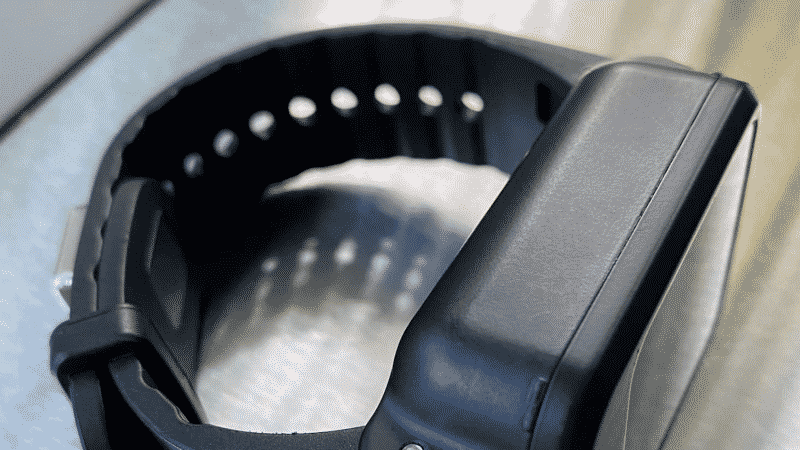
How do you ensure that someone sick with COVID-19 stays home?
As the United States begins reopening its economy, some state officials are weighing whether house arrest monitoring technology – including ankle bracelets or location-tracking apps – could be used to police quarantines imposed on coronavirus carriers.
But while the tech has been used sporadically for U.S. quarantine enforcement over the past few weeks, large scale rollouts have so far been held back by a big legal question: Can officials impose electronic monitoring without an offense or a court order?
Case in point is Hawaii, which considered the sweeping use of GPS-enabled ankle bracelets or smartphone tracking apps to enforce stay-at-home orders given to arriving air passengers, according to Ronald Kouchi, the president of the Hawaii state senate.
Kouchi said Hawaiian officials were concerned that many travelers were flouting the state’s 14-day quarantine order, putting the archipelago’s inhabitants at risk. But he said that the plan for mass tracking of incoming travelers – inspired by similar technology in place in South Korea – was put on the back burner after the Hawaii attorney general’s office raised concerns.
“America is America,” Kouchi told Reuters. “There are certain rights and freedoms.”
In response to written questions to the attorney general’s office, Hawaii’s COVID-19 Joint Information Center said the “various ideas being evaluated for tracking those under mandatory quarantine in response to the COVID-19 pandemic are right now just that, ideas.”
Similar ideas have already been executed in a few other states, albeit on a much smaller scale.
Seven people who broke quarantine rules in Louisville, Kentucky were court-ordered to wear GPS-tracking devices manufactured by Colorado-based SCRAM Systems, according to Amy Hess, the city’s chief of public services. She told Reuters that while she would rather not have had to use the devices at all, state law permitted the imposition of home confinement to protect public health.
“We don’t want to take away people’s freedoms but at the same time we have a pandemic,” she said.