



Many Key China Issues Still ‘Under Review’ at Biden’s First 100 Days
As U.S. President Joe Biden’s first 100 days come to a close this week, a number of key policy positions and contentious issues remain “under review,” to use the White House’s terminology. They stretch from deep-seated…
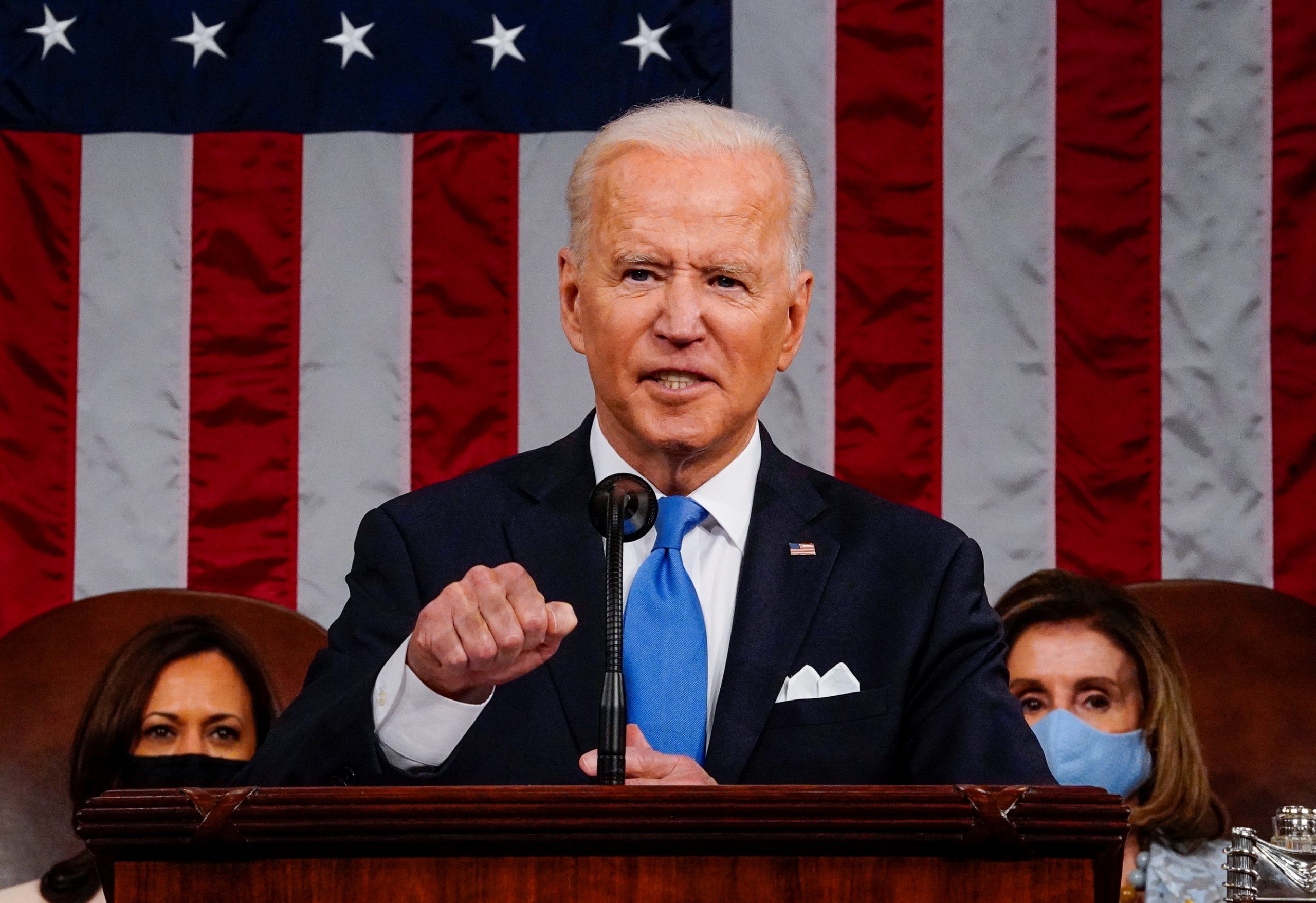
As U.S. President Joe Biden’s first 100 days come to a close this week, a number of key policy positions and contentious issues remain “under review,” to use the White House’s terminology.
They stretch from deep-seated economic issues a generation in the making to controversial policies introduced by Republican President Donald Trump’s government, which preceded the Democratic Biden administration.
Many relate to China, the United States’ strategic competitor, a rivalry that Biden has starkly defined, most recently in a speech to Congress on Wednesday, as a struggle between democracy and autocracy for control of the global economy in the 21st century.
The Biden administration has begun to flesh out an overarching strategy to compete with China that relies on renewing relations with partners like India and allies like Japan and South Korea, and heavy domestic investment.
But critics say slow reviews of specific policies could cost U.S. companies and the economy.
After Biden’s speech, Republican Senator Mitt Romney told reporters, “I don’t believe we yet have as a nation a comprehensive strategy to deal with a China intent on dominating the world, eventually.”
“We don’t have the luxury of time to sit around and marvel at the problem,” said one Republican aide in the House of Representatives, speaking on condition of anonymity. “We need action and specific policies in place.”
The White House did not respond to a request for comment on the Republican criticism of their policy reviews. Democrats argue privately, however, that the administration is still racing to get crucial jobs filled.
Biden has yet to name an ambassador to China and many other countries, or to fill a key post at the Commerce Department’s Bureau of Industry and Security, which oversees exports of critical U.S. technology to China.