



MARC WHEAT: Will Supreme Court Defend Rights Of Parents?
Exactly a century ago this year, the Supreme Court, in its decision in Pierce v. Society of Sisters, recognized the right of parents to direct the education of their children, writing that “he fundamental theory of…
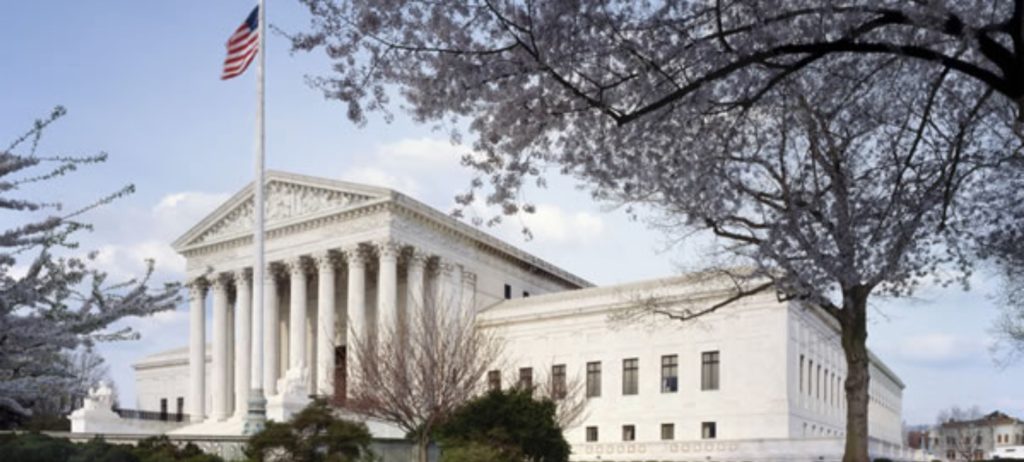

Exactly a century ago this year, the Supreme Court, in its decision in Pierce v. Society of Sisters, recognized the right of parents to direct the education of their children, writing that “he fundamental theory of liberty upon which all governments in this Union repose excludes any general power of the State to standardize its children . . . The child is not the mere creature of the state.” Today, just as they did a century ago, parents rely on the courts to serve as a backstop against abusive government policy.
Sadly, some courts in America are shutting the door of justice in the face of parents seeking to vindicate their rights and the rights of their children. In a case out of Wisconsin called Parents Protecting Our Children v. Eau Claire Area School District in the Seventh Circuit, the federal court of appeals with jurisdiction over cases arising in Wisconsin, Illinois and Indiana, parents challenged the school district’s policy directing school officials to hide a child’s “social gender transition” from their parents. As the school told its employees, “parents are not entitled to know their kids’ identities.That knowledge must be earned.”
Incredibly, the Seventh Circuit found that the parents’ harm in that case was merely speculative. Apparently, since plaintiffs must show harm to have standing to sue, parents must wait until they find out that their son’s school has been helping him dress as a girl and use the girls’ restroom for six months before they can challenge the policy.
The Supreme Court chose not to review the Seventh Circuit’s decision in that case. Justice Samuel Alito wrote a short dissent, joined by Justice Clarence Thomas, explaining that the parents’ harm is not speculative and that “some federal courts are succumbing to the temptation to use the doctrine of Article III standing as a way of avoiding some particularly contentious constitutional questions.”