



Mayor Mamdani AC Mandate Backfires
New York City Mayor Zohran Mamdani is facing questions after urging residents to keep their air conditioners set to 78 degrees or higher during a serious heat wave, while reports found that parts of City Hall and other municipal buildings were much cooler than that. The mayor’s message was meant to reduce pressure on the […]
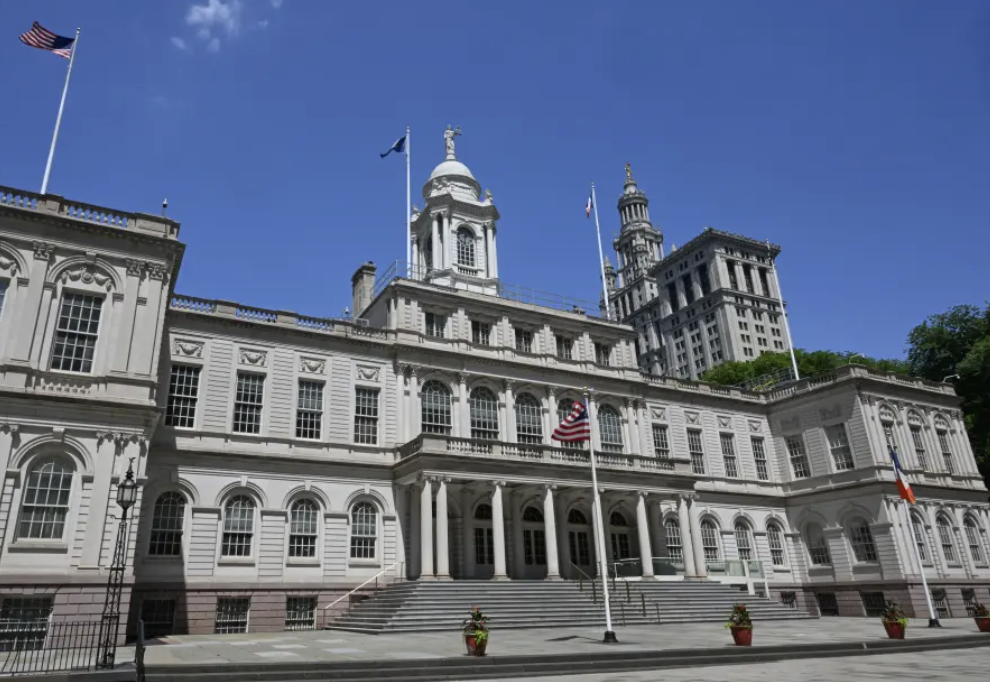
New York City Mayor Zohran Mamdani is facing questions after urging residents to keep their air conditioners set to 78 degrees or higher during a serious heat wave, while reports found that parts of City Hall and other municipal buildings were much cooler than that.
The mayor’s message was meant to reduce pressure on the city’s power grid during extreme summer weather. During a heat wave, millions of air conditioners running at the same time can put major stress on the electrical system. If demand gets too high, power outages can happen. That can become dangerous quickly, especially for older residents, young children, people with health problems, and families living in apartments without good airflow.
Mamdani asked New Yorkers to do their part by using less energy, including setting their air conditioners to 78 degrees. Similar advice has been given before by other public officials and energy experts. The U.S. Department of Energy has also supported higher thermostat settings as a way to save power and lower costs.
But the issue quickly became political after reporters checked temperatures inside City Hall and other government buildings. According to the report, several areas were below 78 degrees. Some readings were in the 60s, and one reading allegedly dropped as low as 54 degrees near an air-conditioning unit.
That created an obvious problem for the mayor’s office. Many New Yorkers were being asked to live with warmer homes during a hot and uncomfortable stretch of weather. At the same time, parts of city government appeared to be much cooler than the standard the mayor was asking residents to follow.
For critics, the story was not just about air conditioning. It was about whether government leaders follow the same rules they promote to the public. That concern is especially strong when the request involves personal sacrifice. During a heat wave, a few degrees can make a real difference in comfort, sleep, and daily life.
The phrase “heat for thee, but not for me” began to capture the frustration of critics who said the mayor’s message sounded out of touch. The criticism was especially sharp because Mamdani has built much of his political image around fairness, shared responsibility, and concern for working people.
Republicans and other critics argued that the situation showed a familiar pattern in government: leaders asking ordinary citizens to make changes while public offices do not appear to meet the same standard. For working families in small apartments, seniors on fixed incomes, and parents trying to keep children cool, that kind of message can be hard to accept if government buildings are allegedly kept much colder.