



NYC Temporary Hospital Had Whopping Price Tag, Served Less Than 80 Patients
A temporary hospital that was created in New York City amid the coronavirus outbreak had a hefty price tag but saw less than 80 patients. U.S.T.A. Billie Jean King National Tennis Center in Queens was turned into a…
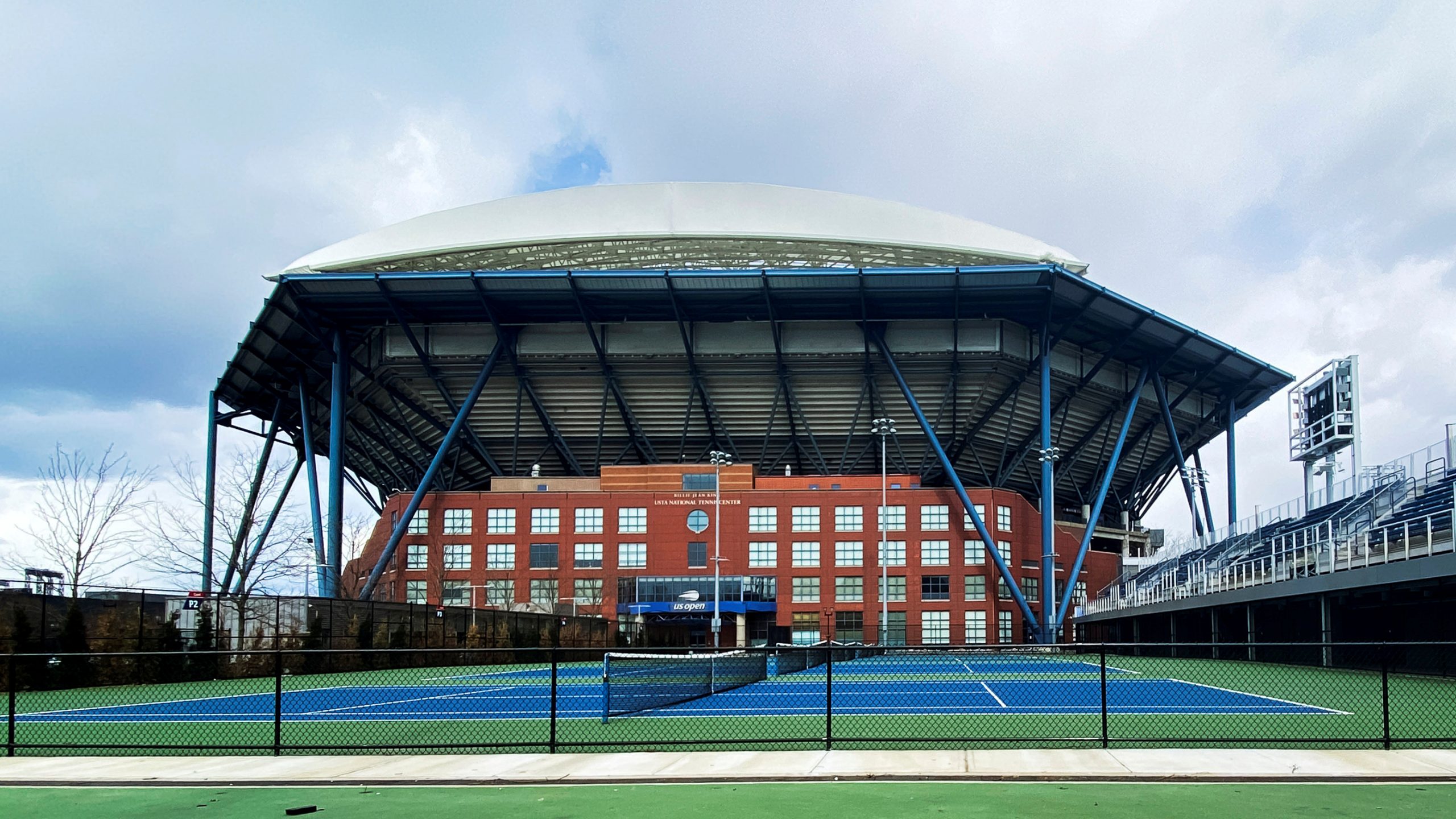
A temporary hospital that was created in New York City amid the Coronavirus Outbreak had a hefty price tag but saw less than 80 patients.
U.S.T.A. Billie Jean King National Tennis Center in Queens was turned into a hospital opening its doors on April 20 and cost at least $52 million, according to The New York Times. As it closed on May 13, the temporary hospital served a total of 79 patients.
As New York quickly became the epicenter in the U.S. at the start of the outbreak, there was a rush to put up the temporary medical facility. But the low number of patients treated at this facility shows the “missteps” of the local, state and federal government, as the Times puts it.
“I basically got paid $2,000 a day to sit on my phone and look at Facebook,” a nurse practitioner from Baltimore who worked at the center, Katie Capano, told The Times. “We all felt guilty. I felt really ashamed, to be honest.”
With hardly any patients to take care of, some doctors at the temporary hospital were paid $732 an hour but spent time doing paperwork.
Some of the things that created complications, as the Times notes, are “bureaucracy, turf battles and communication failures,” as well as patients with fevers not being accepted at the temporary hospital. Ambulances could also not take 911 calls to the tennis facility, leaving it up to transfers which were few. According to the article, private hospitals also could not transfer patients to Billie Jean because the tennis facility-turned-hospital was only for public hospital transfers. Other reasons attributing to low turnout included the fear that those at Billie Jean could not help patients with severe symptoms and public hospitals reportedly fearing losing revenue, as well as other factors.
Dr. Timothy Tan, the director of clinical operations at the Queens Hospital Center emergency department, also told the Times, “The conditions in the emergency room during this crisis were unacceptable and dangerous.”