



One Republican Voted Against The SAVE America Act
In a calculated move, GOP leaders launched a floor fight over the Safeguarding American Voter Eligibility (SAVE) Act, aiming to expose what they say is unified Democratic opposition to election security measures. The…
In a calculated move, GOP leaders launched a floor fight over the Safeguarding American Voter Eligibility (SAVE) Act, aiming to expose what they say is unified Democratic opposition to election security measures. The strategy is clear: shift attention away from Republican infighting and put pressure squarely on Democrats ahead of a likely legislative defeat.
Senate Minority Leader Chuck Schumer didn’t hesitate to fire back.
“Not a single Democrat will support the SAVE Act. It is a radical bill,” Schumer declared on the Senate floor, signaling zero willingness to negotiate. He doubled down with a warning shot at Republicans, vowing prolonged resistance if the GOP drags out the debate.
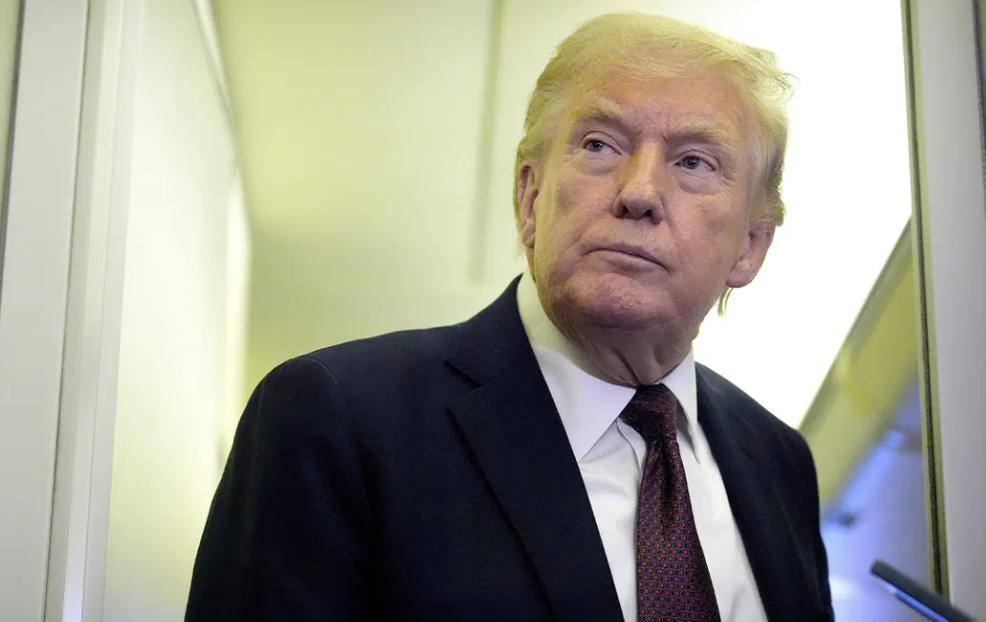
Behind the scenes, the push is being driven by former President Donald Trump, who has personally leaned on Senate Majority Leader John Thune to bring the bill forward. Trump confirmed he spoke with Thune and expressed cautious optimism, saying, “He’s trying.”
But the numbers tell a harsher story.
Even before the debate began, cracks in Republican unity were impossible to ignore. Sen. Lisa Murkowski broke ranks to side with Democrats in blocking the legislation, while Sen. Thom Tillis—an outspoken critic of the bill—did not vote at all. That internal division could prove fatal.
Still, conservative firebrands like Sen. Mike Lee are pushing aggressively, even floating a dramatic procedural gamble: forcing a talking filibuster to grind Democrats down and potentially lower the threshold for passage. The idea has energized Trump allies—but also sparked concern within the GOP, where not all senators are willing to take the risk.
Lee made the stakes crystal clear, warning that Republicans unwilling to go all-in could face political consequences from their own voters.
Meanwhile, Democrats are preparing to play hardball. Procedural tactics could drag the process out for days, complicating other Republican priorities—including a key confirmation hearing for a top Trump administration post.