



2026 Midterms: The People Have Spoken
The 2026 midterm election is now in the history books. Victories are being celebrated, defeats are being absorbed and political analysts are already busy trying to explain what happened and why. But as I reflect on the election, I find myself thinking about something else. For me, the most important question isn't who won or lost. It's whether those we've entrusted with governing are actually listening to what the American people are trying to say.
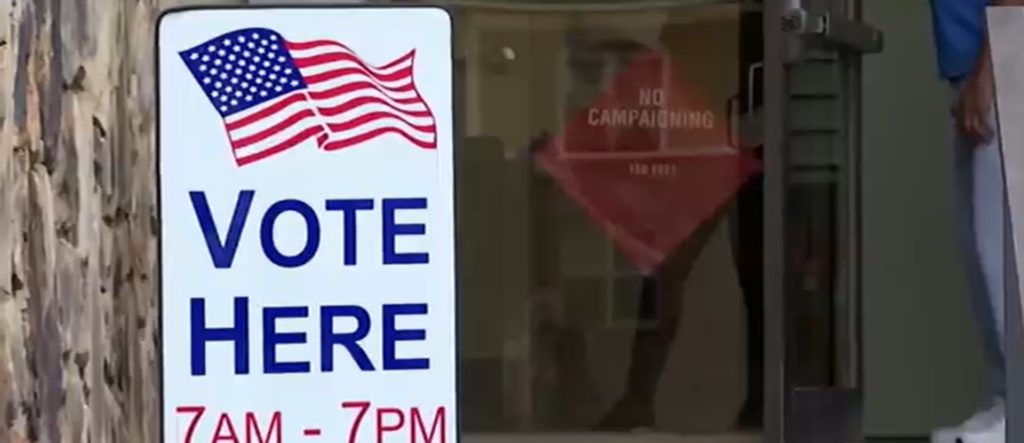

The 2026 midterm election is now in the history books. Victories are being celebrated, defeats are being absorbed and political analysts are already busy trying to explain what happened and why. But as I reflect on the election, I find myself thinking about something else. For me, the most important question isn’t who won or lost. It’s whether those we’ve entrusted with governing are actually listening to what the American people are trying to say.
Elections are not simply contests between political parties. They are moments when ordinary citizens, regardless of wealth, influence, or social standing, have an opportunity to exercise one of the most important rights in a democracy. Their votes may reflect different priorities, frustrations and hopes. Yet collectively, they remind us that political power ultimately belongs to the people.
This election also raises questions about the growing influence of extraordinary wealth in American politics. Billions of dollars were spent attempting to shape public opinion and influence electoral outcomes. Wealthy donors poured enormous resources into campaigns, advertisements and political organizations. Yet some of the most heavily financed efforts failed to produce the results their supporters anticipated.
Money can purchase advertising, access and attention. But it cannot guarantee the trust of the American people. For years, political success has depended heavily on fundraising, powerful connections and the ability to dominate the public conversation. Candidates without those advantages have often struggled just to be heard. But I have to wonder, when did the size of a candidate’s bank account become more important than the value of what that candidate has to say?
Isn’t democracy supposed to be about giving everyone a voice, regardless of how much money they have or who they know?
The midterm results suggest that our country is changing and those elected to represent us increasingly reflect different backgrounds, experiences, religions and perspectives. I don’t see those differences as threats to our national identity. Rather, I see them as part of the American experience.