





Dear Congress: Don’t Make America’s Diesel A Hostage To Your Election Year Politics
Farm state Republicans are in a panic, and it’s hard to blame them. Less than two months before Election Day on Nov. 3, diesel prices are at all-time highs, harvest season is here, and no relief is in sight.
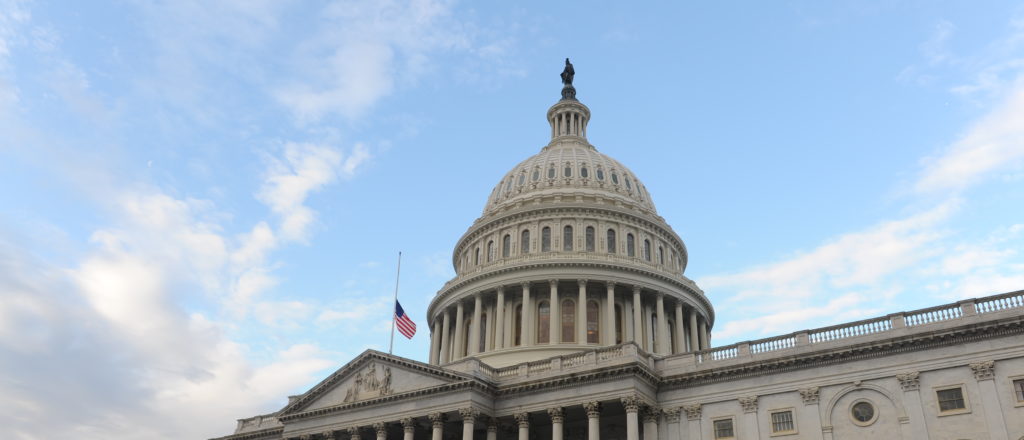

Farm state Republicans are in a panic, and it’s hard to blame them. Less than two months before Election Day on Nov. 3, diesel prices are at all-time highs, harvest season is here, and no relief is in sight. Iowa Sen. Chuck Grassley wants an embargo. Tennessee Rep. Tim Burchett dropped a bill banning exports last week. Senate Majority Leader John Thune is “open to exploring” that concept. Even Louisiana Gov. Jeff Landry, whose state benefits from a major refining industry, has floated a 90-day pause.
It’s an understandable impulse. It is also a terrible idea.
Energy markets don’t function like your kitchen pantry — you can’t just keep the diesel locked up at home and expect the price to stay low while refineries keep running full tilt and delaying much-needed maintenance downtime. U.S. plants produce about 5.3 million barrels per day of distillate. Domestic demand is closer to 3.6 million. The difference goes overseas because that’s how the system was built over half a century and more. Gulf Coast refiners aren’t perched atop a magic warehouse that can absorb that surplus for any length of time. Pipelines are maxed out — when the export valve slams shut, they cut runs.
Cut runs and you do not just lose diesel. You lose gasoline and jet fuel, too because all those products and more are refined out of the same crude stream. Energy Secretary Chris Wright said it well when he noted that, if you restrict flows “you’ll have less supply. We need more supply, not less.” Wright also warned that a diesel embargo would mean “more expensive gasoline right away.”
Interior Secretary Doug Burgum put it even more bluntly: Economically, geopolitically, and for affordability, export curbs are “bad on all accounts.” He is “not at all confident” a ban would lower prices and noted it could hurt Americans in import-dependent regions.
That last point matters since a ban would not deliver a single national price. You would likely get a short, sharp drop in Texas, Louisiana, and parts of the Midwest — the places that make the stuff — and then a rebound once refiners are forced to throttle back because the volumes they’d been exporting have no place to go thanks to the ban. The East Coast and West Coast, which cannot easily swallow Gulf barrels because of logistics and the archaic Jones Act, would get squeezed. Bob McNally of Rapidan Energy Group called it a “sledgehammer” and said the coasts would be “screwed.”
He isn’t wrong.
Energy Dominance can’t be a slogan you chant when prices are high and then abandon when things get tough on farmers. It is production, infrastructure, and the willingness to sell into global markets so U.S. refiners can run hard and stay profitable enough to keep investing. No greenfield refinery has been built in this country since 1977 — the last thing we should do is send a signal to capital providers that the government might well lock the export gate whenever a price chart gets ugly. Some refiners might not survive a sudden loss of their highest-margin market. The ones that do will think twice about committing billions to any future expansions.
High diesel prices are a real problem for farmers and truckers. It’s a problem which flows through into the prices of groceries and pretty much all consumer goods. No one should pretend otherwise.
But we also should not pretend that domestic exports somehow caused the price spike. In reality, the cause is a global refining shortage created by wars raging on two continents, including Ukrainian drone strikes on Russian plants, and major disruptions at Middle East choke points. Pretending American refiners are choosing to gouge Iowa farmers is utter nonsense, and make for lousy public debate. The answer is more supply, not less; keep the plants running, keep the exports flowing, and avoid treating the world’s most vital transportation fuel as a hostage to election year politics.
Energy reality says that the high prices for diesel will persist until the wars in Ukraine and Iran are ended. Until those happy days arrive, congress simply must avoid acting to make the problem infinitely worse — you know, like implementing a ban on exports.
David Blackmon is an energy writer and consultant based in Texas. He spent 40 years in the oil and gas business, where he specialized in public policy and communications.
The views and opinions expressed in this commentary are those of the author and do not reflect the official position of the Daily Caller News Foundation.
All content created by the Daily Caller News Foundation, an independent and nonpartisan newswire service, is available without charge to any legitimate news publisher that can provide a large audience. All republished articles must include our logo, our reporter’s byline and their DCNF affiliation. For any questions about our guidelines or partnering with us, please contact [email protected].