



The Election Rules For 2028 Are On This November’s Ballot
Americans have two more years to argue about who should win the next presidential election. They have less than a week, however, to decide who will write many of its rules. As a new report from Honest Elections Project Action shows, "who" writes the rules largely determines what those rules will be.
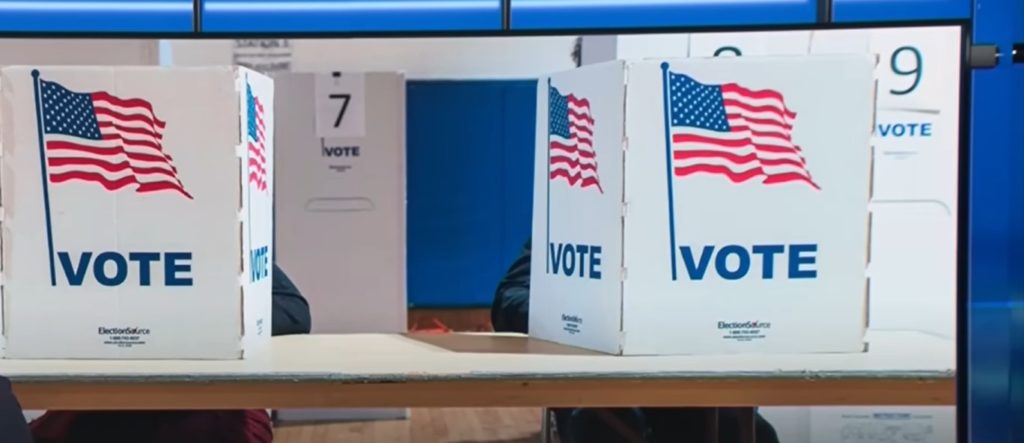

Americans have two more years to argue about who should win the next presidential election. They have less than a week, however, to decide who will write many of its rules. As a new report from Honest Elections Project Action shows, “who” writes the rules largely determines what those rules will be. On Nov. 3, voters will elect governors and state legislators with the power to overhaul American elections. Political control of critical presidential battlegrounds is on the line and Democrats are poised to use any new trifectas they gain this November to unwind crucial voting safeguards ahead of 2028. They have even put one of the most dangerous election-law rewrites on the table: A plan to radically change how America elects the president before 2028 — without a constitutional amendment. Eighteen blue states plus D.C. have already joined the National Popular Vote Interstate Compact. Each pledged to award its presidential electors to the national popular vote winner, even if the candidate is rejected by that state’s own voters. Virginia joined in April, bringing the compact to 222 electoral votes, just 48 short of the 270 needed to purportedly activate it. Pennsylvania, Michigan and Arizona together hold 45 electoral votes. If those three joined, adding either Wisconsin or Nevada would put the compact over the threshold. All five of those states have divided government today. Democrats are one election away from removing that obstacle. The left claims the NPV compact merely bolsters “democracy,” but don’t be fooled. It is nothing short of an end run around the Constitution itself, a scheme to neutralize the Electoral College and shift power away from competitive swing states to permanent Democrat strongholds like New York and California. Blue states with the loosest rules — all-mail voting, late ballots, abusive ballot harvesting laws and more — would have more sway than ever before. That would be a disaster for election integrity, inviting instant litigation and plunging the 2028 election into chaos. Even if Democrats fall short of activating the compact, there is little to stop any new liberal political trifectas from rewriting all the other rules that govern elections—with massive implications for free and fair elections.
The new report examined this year’s state legislative record and found a clear partisan divide. Republican trifectas kept their focus on verifying citizenship, maintaining accurate voter rolls and strengthening voter ID requirements — the safeguards Americans overwhelmingly want to make it easy to vote and hard to cheat. Democratic trifectas moved in the polar opposite direction. The number of election laws these blue states enacted spiked 82 percent from last year, climbing from under 19 percent to roughly 38 percent, the fastest growth of any bloc.