



Healey’s ‘Energy Emergency’ Follows The Classic Democrat Playbook
Massachusetts Governor Maura Healey’s recent declaration of an "energy emergency," issued less than a month before Election Day, is less a genuine response to crisis than a familiar and cynical political maneuver.
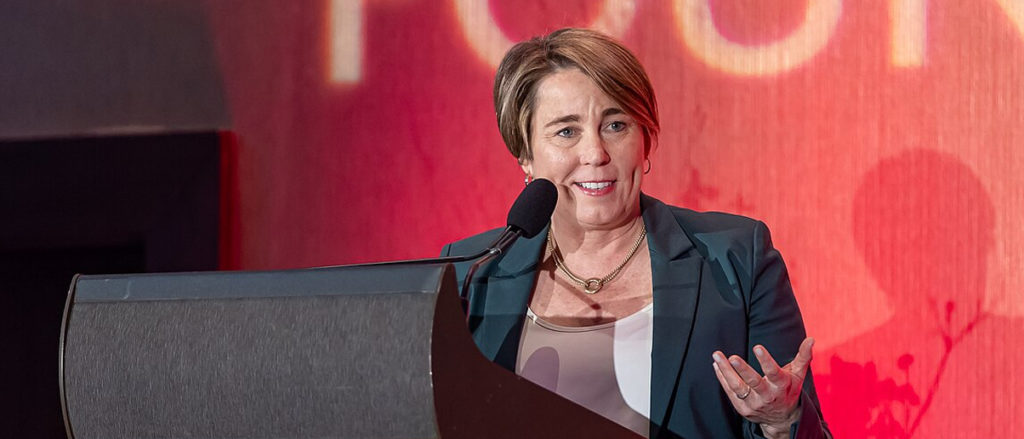

Democratic Massachusetts Gov. Maura Healey’s recent declaration of an “energy emergency,” issued less than a month before Election Day, is less a genuine response to crisis than a familiar and cynical political maneuver.
It follows a well-worn Democratic pattern on energy:
First, enact policies that deliberately raise consumer costs to suppress demand, consistent with the party’s fealty to climate alarmism.
Second, when those costs become politically toxic, declare an emergency and blame Republicans.
Massachusetts residents already pay among the highest electricity rates in the nation — roughly 30 cents per kilowatt-hour, about 65 to 70 percent above the national average of around 18 cents. These prices are not the result of geography or market forces alone. For years, state policy — often led by Healey herself — has constrained natural gas infrastructure, opposed new pipelines, and layered renewable mandates and surcharges onto ratepayers in a cold-climate state. The result is heavy reliance on imported liquefied natural gas, including from overseas sources, even as abundant domestic supply sits just over the border in Pennsylvania.
Healey actively opposed pipeline expansions while serving as the state’s attorney general. She cited a specious, short-sighted 2015 study claiming no additional gas capacity was needed and later sued ExxonMobil over climate claims. Those choices helped lock the region into higher-cost LNG and oil backups during peak winter demand. Now, facing reelection, she has asked the Trump administration to expedite