



President Trump Institutes New Tariff On Canadian Goods
Trade tensions between the United States and Canada rose sharply on Monday after President Donald Trump announced a 50 percent tariff on certain Canadian goods. Trump signed the proclamations at the White House, arguing that Canada has continued to discriminate against American products. Although the new tariffs are not scheduled to take effect for 30 […]
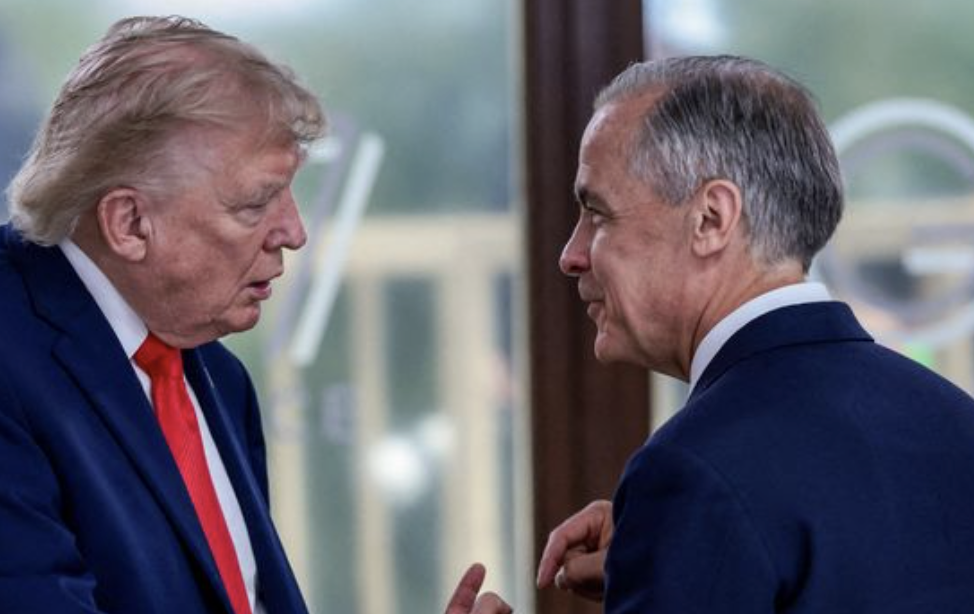
Trade tensions between the United States and Canada rose sharply on Monday after President Donald Trump announced a 50 percent tariff on certain Canadian goods.
Trump signed the proclamations at the White House, arguing that Canada has continued to discriminate against American products. Although the new tariffs are not scheduled to take effect for 30 days, the announcement immediately added more strain to the already difficult relationship between the two countries.
Canadian Prime Minister Mark Carney responded in a statement posted Monday on X. Carney said the latest decision was part of a broader pattern of unilateral trade actions by the United States.
He accused the U.S. of imposing tariffs that violated the Canada-United States-Mexico Agreement, known in Canada as CUSMA and in the United States as the USMCA. The agreement governs trade among the three North American countries.
Carney argued that Canada had not acted aggressively, but had simply responded to measures already imposed by the Trump administration.
Canada, he said, had “merely matched those measures,” which he described as the country’s right under the circumstances.
The White House offered a very different account. In a statement released Monday, the administration accused Canada of maintaining quotas and trade restrictions that place American exporters at a disadvantage compared with businesses from other countries.
The statement specifically pointed to the automobile industry. According to the White House, Canada applies certain tariffs and quotas to vehicles imported from the United States while treating imports from some other countries more favorably.
The administration also claimed that Canada manages those quotas in a way that pressures American automakers to move production and investment north of the border rather than expanding manufacturing in the United States.
To justify the new tariffs, Trump cited Section 338 of the Tariff Act of 1930. The law gives the president authority to impose tariffs when another country treats American exports less favorably than goods from other nations.