



RANDY FORBES: America Can’t Opt Out Of Global Competition
When Donald Trump floated the idea of buying Greenland, much of Washington laughed. The proposal was treated as a punchline — another example, critics said, of crude transnationalism. But as the former chair of the…
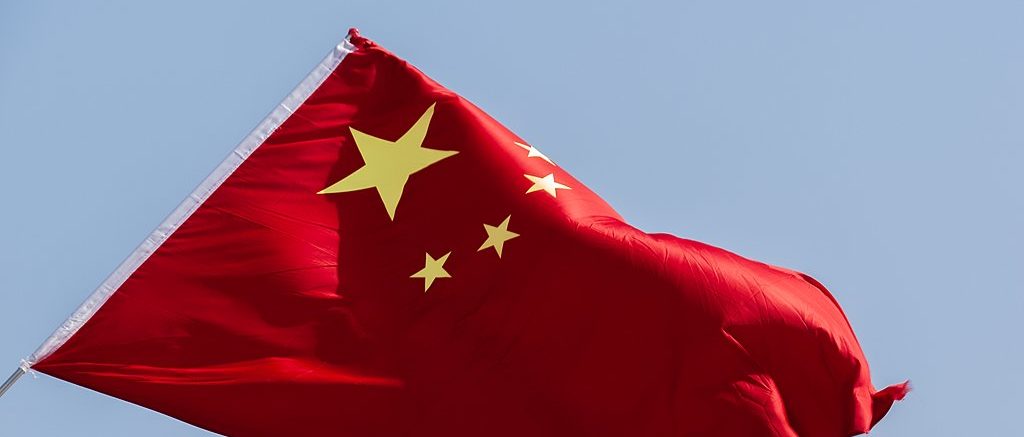

When Donald Trump floated the idea of buying Greenland, much of Washington laughed. The proposal was treated as a punchline — another example, critics said, of crude transnationalism.
But as the former chair of the House China Caucus, I believe the laughter missed the point. Greenland was never about novelty or cartography. It was about power — and about how power is exercised in the 21st century.
Trump’s renewed push for U.S. access to mineral rights in Greenland matters for a simple reason: it’s a way to keep China from getting its hands on rare earth minerals. In a world where supply chains matter more than flags, Greenland counts because it is where geography, critical resources and great-power rivalry collide.
Rare earths are essential to advanced weapons systems, satellites, radar, robotics, electric motors and data infrastructure. China has subsidized production, undercut competitors and then weaponized its position — restricting exports during trade disputes and using access as leverage.
Greenland holds the eighth-largest known rare earth reserves in the world. One of its largest deposits, Kvanefjeld, has already attracted Chinese financial interest. Another major project, Tanbreez, nearly fell into China-linked hands before U.S. pressure reportedly helped steer it elsewhere