



Report: Scientists Find Earth-Sized Planet That Could Hold Life
A group of academics has identified a planet that could potentially support life. They’re describing Gliese 12 b as a planet within the habitable zone of its own solar system. The planet orbits a red dwarf star 40 light…
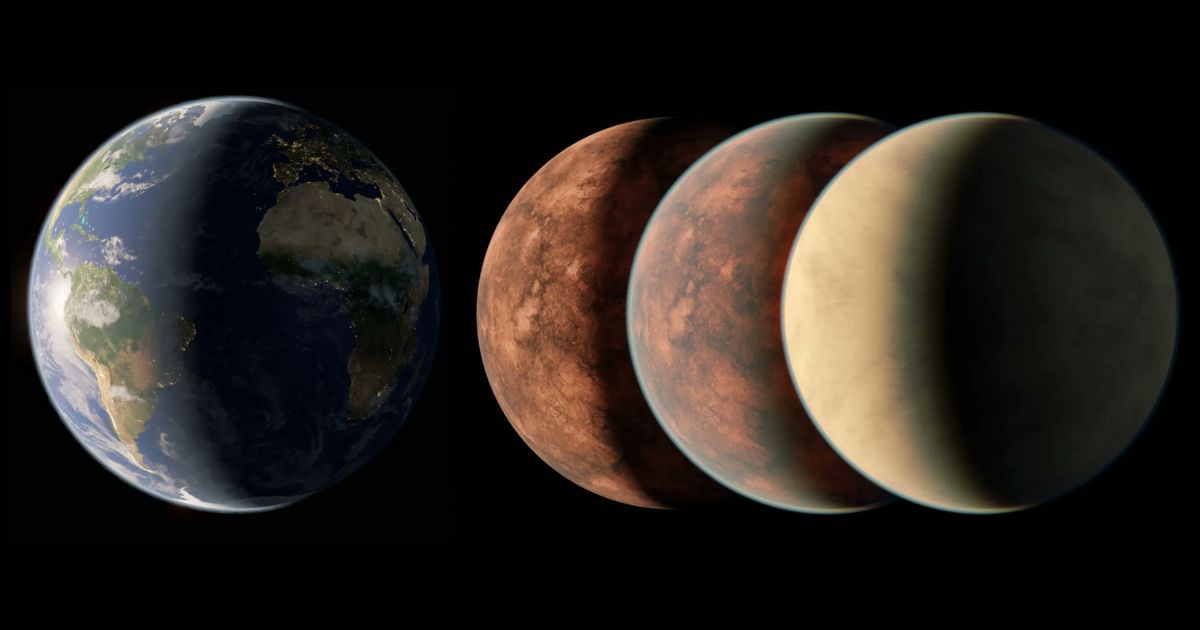
A group of academics has identified a planet that could potentially support life.
They’re describing Gliese 12 b as a planet within the habitable zone of its own solar system.
The planet orbits a red dwarf star 40 light years away from the Earth in the Pisces constellation.
University College of London scientist Larissa Palethorpe co-led the research into the planet with University of Southern Queensland astrophysicist Shishir Dholakia, according to Space.com.
The team used NASA’s Transiting Exoplanet Survey Satellite (TESS) to identify the world.
The planet orbits a red dwarf star, a celestial body far smaller than the Earth’s sun, according to NASA.
As a result, scientists view the “habitable zone” of red dwarf stars as far closer to them than that of Earth’s sun.
One year on Gliese 12 b lasts just under thirteen days, but it’s thought the world could have a surface temperature of 107 degrees Fahrenheit — comparable to a summer day in Arizona or Texas.