



Republicans In South Carolina Refuse To Redistrict
Efforts to redraw South Carolina’s congressional maps have officially stalled after Republicans in the state Senate joined Democrats to block the proposal, dealing a major setback to conservatives who hoped to secure…
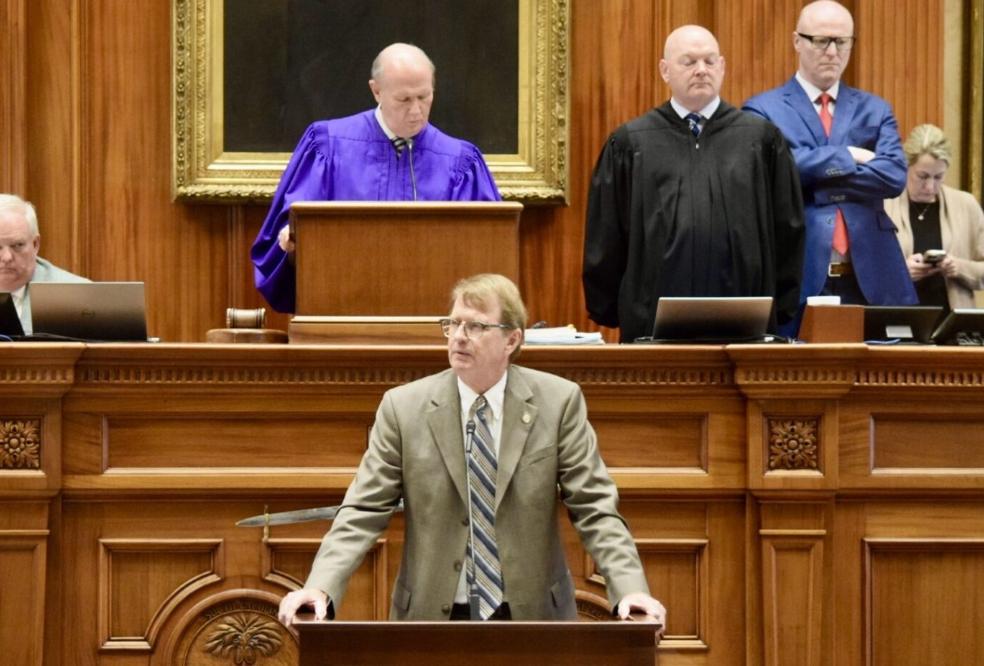
Efforts to redraw South Carolina’s congressional maps have officially stalled after Republicans in the state Senate joined Democrats to block the proposal, dealing a major setback to conservatives who hoped to secure another Republican-friendly congressional district before the next election cycle.
The South Carolina Senate voted 20-24 against advancing the redistricting effort, with roughly a dozen Republicans siding with Democrats to stop the plan from moving forward. The vote effectively ends the push for new maps this year and leaves many conservatives furious at members of their own party.
Supporters of the proposal believed they had momentum after clearing a key procedural hurdle over the weekend when the Senate invoked cloture on the second reading of the map. A third reading was still required before the proposal could return to the State House, but delays inside the Republican-controlled chamber ultimately killed the effort.
Critics within the GOP say the delays were intentional.
The concern among Republican strategists centered around the election calendar and the approaching start of early voting. Some conservatives argued that once early voting began, legal and logistical complications would make any changes nearly impossible to implement in time for upcoming elections.
Backers of the proposal pointed to Virginia as an example of how early voting complicated redistricting efforts there and argued South Carolina Republicans decided to avoid a similar fight by shelving the effort until the next legislative session.
Gov. Henry McMaster initially appeared hesitant about calling lawmakers back for a special session focused on redistricting. He later approved the session, raising hopes among conservatives that the maps could still be changed. But after the Senate vote, frustration quickly shifted toward Republican leadership in Columbia.
Much of the anger has centered on Senate Majority Leader Shane Massey, who was reportedly opposed to the effort from the beginning. Conservatives backing the proposal accused GOP leadership of undermining the process and allowing the measure to fail despite Republicans holding majorities in the legislature.