



State Department Finds Link To Activism
A new State Department report argues that Cuba has spent more than six decades trying to influence American politics through espionage, ideological organizing, covert networks, and relationships with radical activist movements. Secretary of State Marco Rubio, whose parents emigrated from Cuba, announced the report in a post on X. “For more than six decades, the […]
A new State Department report argues that Cuba has spent more than six decades trying to influence American politics through espionage, ideological organizing, covert networks, and relationships with radical activist movements.
Secretary of State Marco Rubio, whose parents emigrated from Cuba, announced the report in a post on X.
“For more than six decades, the Cuban regime has been the leading sponsor of radical leftism and Third Worldism in the United States,” Rubio wrote. He said the department was releasing the material because Americans deserved to know the history of Cuban intelligence operations and political subversion inside the country.
The report presents Cuba’s campaign as something broader than traditional espionage. According to the department, Havana understood that it could never defeat the United States through conventional military force. Instead, Cuban leaders allegedly pursued a slower strategy built around infiltration, propaganda, proxy organizations, sabotage, political activism, and the cultivation of sympathetic Americans.
The report claims that this effort reached into the highest levels of the U.S. government, influenced generations of activists, and supported radical groups responsible for political violence. It describes the campaign as one of the most persistent foreign intelligence operations in modern American history.
Rubio made a similar argument during a recent international forum focused on left-wing terrorism. He said Cuba’s intelligence and ideological networks helped shape far-left movements throughout the Western Hemisphere and remain connected to organizations operating in the United States and other Western countries.
The report traces those efforts back to Fidel Castro’s rise to power in 1959. It argues that the Cuban government developed and promoted a particular form of Marxism centered heavily on hostility toward the United States and the broader Western political order. While Cuba’s domestic economic and political system produced hardship and repression, the report contends that its international ideological campaign achieved greater success.
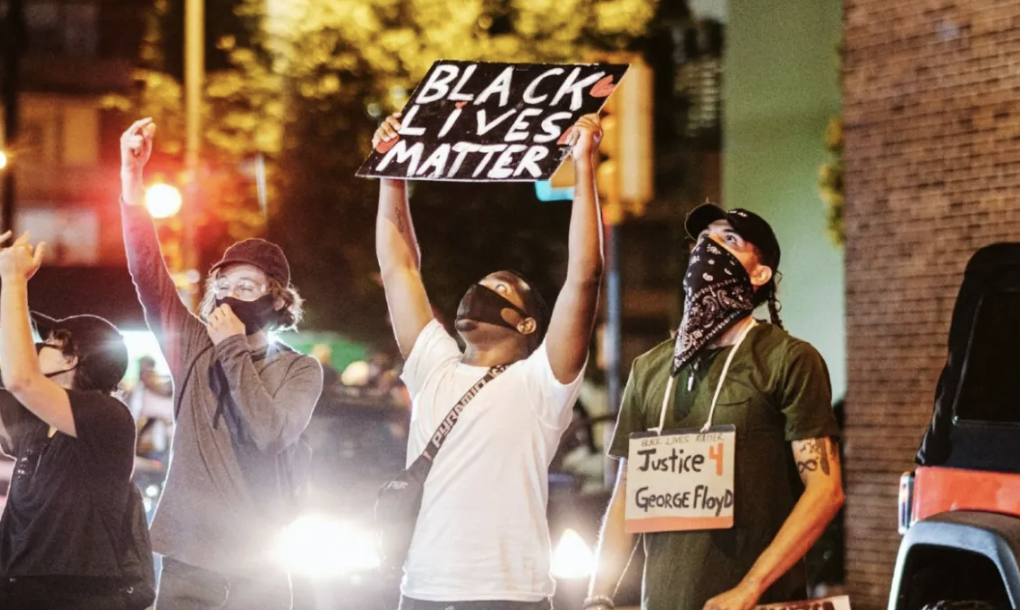
Some of the report’s broadest claims connect Cuban influence to recent American unrest, including the riots that followed George Floyd’s death, the rise of Antifa, and pro-Palestinian activism on college campuses. Those connections are presented as part of the department’s analysis, though the extent of Cuba’s direct role in each movement would require close examination of the underlying evidence.