



US Supreme Court Tosses Rulings Blocking Indiana Abortion Curbs
The U.S. Supreme Court on Thursday gave Indiana a second chance to revive two restrictive abortion laws – one imposing an ultrasound requirement and the other expanding parental notification when minors seek abortions –…
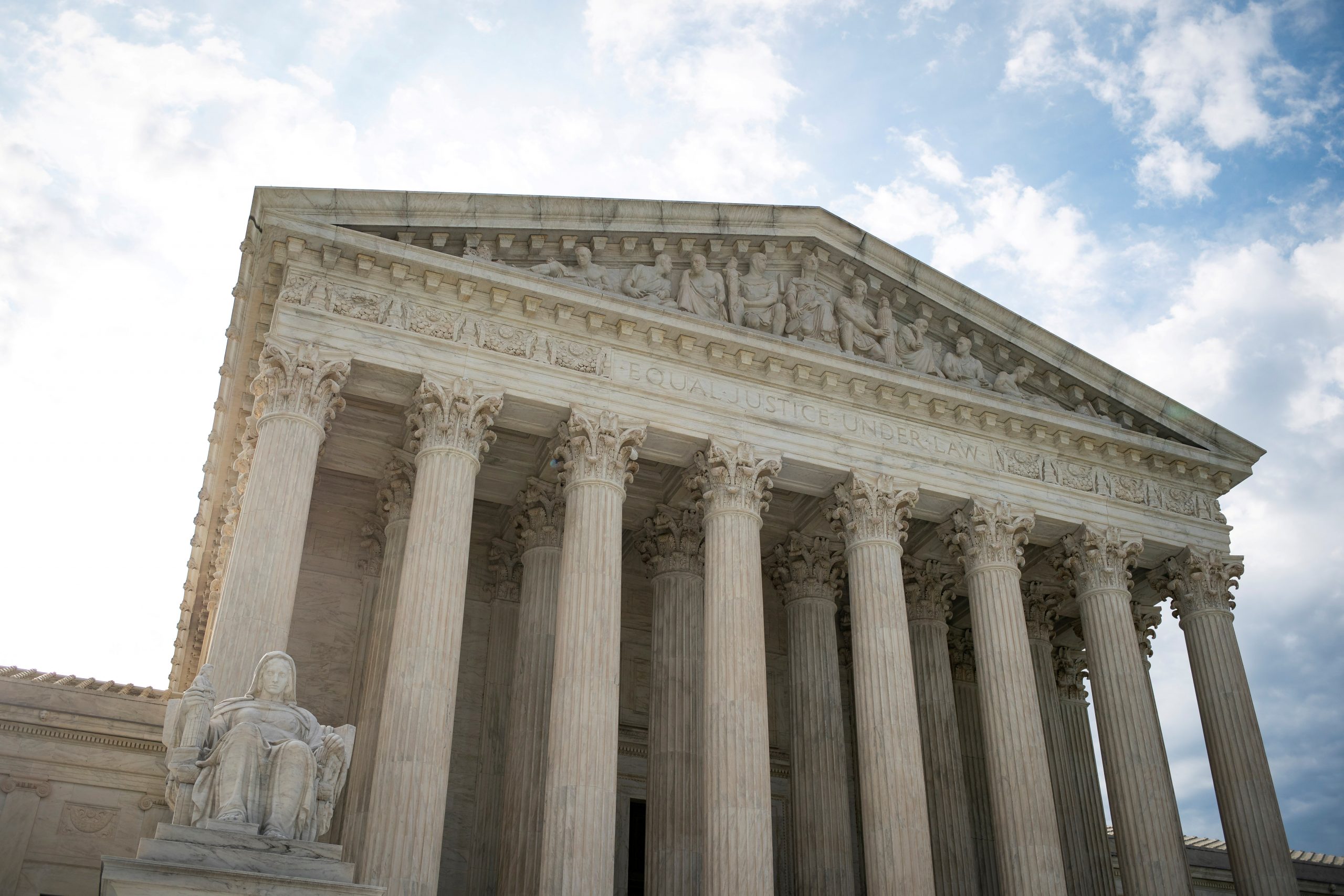
The U.S. Supreme Court on Thursday gave Indiana a second chance to revive two restrictive abortion laws – one imposing an ultrasound requirement and the other expanding parental notification when minors seek abortions – by throwing out a lower court’s rulings blocking them.
The justices directed the Chicago-based 7th U.S. Circuit Court of Appeals to reconsider both cases in light of the Supreme Court’s 5-4 ruling on Monday invalidating a Louisiana law that imposed restrictions on doctors who perform abortions.
Indiana will now get another shot at arguing for the legality of its two Republican-backed laws that the 7th Circuit had prevented from going into effect.
The ultrasound measure would require women to undergo an ultrasound procedure at least 18 hours before terminating a pregnancy. The second law would require that parents be notified when a girl under 18 is seeking an abortion even in situations in which she has asked a court to provide consent instead of her parents, as was allowed under existing law.
The ultrasound measure was passed by the state legislature in 2016 and signed by Vice President Mike Pence when he was Indiana’s governor before Donald Trump selected him as his running mate.
Abortion rights proponents have said that for most women seeking an abortion, an ultrasound is not medically necessary, and that the requirement is an attempt by anti-abortion politicians to make obtaining an abortion more difficult.
Republicans at the state level have pursued a variety of abortion restrictions.
In a third Indiana case on Thursday, the court left in place a ruling in favor of an abortion clinic seeking a license to open a clinic in South Bend. The state appealed when the 7th Circuit ruled in 2019 that abortion provider Whole Woman’s Health could get a provisional license while the litigation over the matter continued.