



Republican Moderate Susan Collins Fights for Her Political Life in Trump Era
U.S. Senator Susan Collins is fighting for her political life in a race that could decide control of the Senate, having enjoyed years of popularity as an independent-minded moderate before fellow Republican Donald Trump…
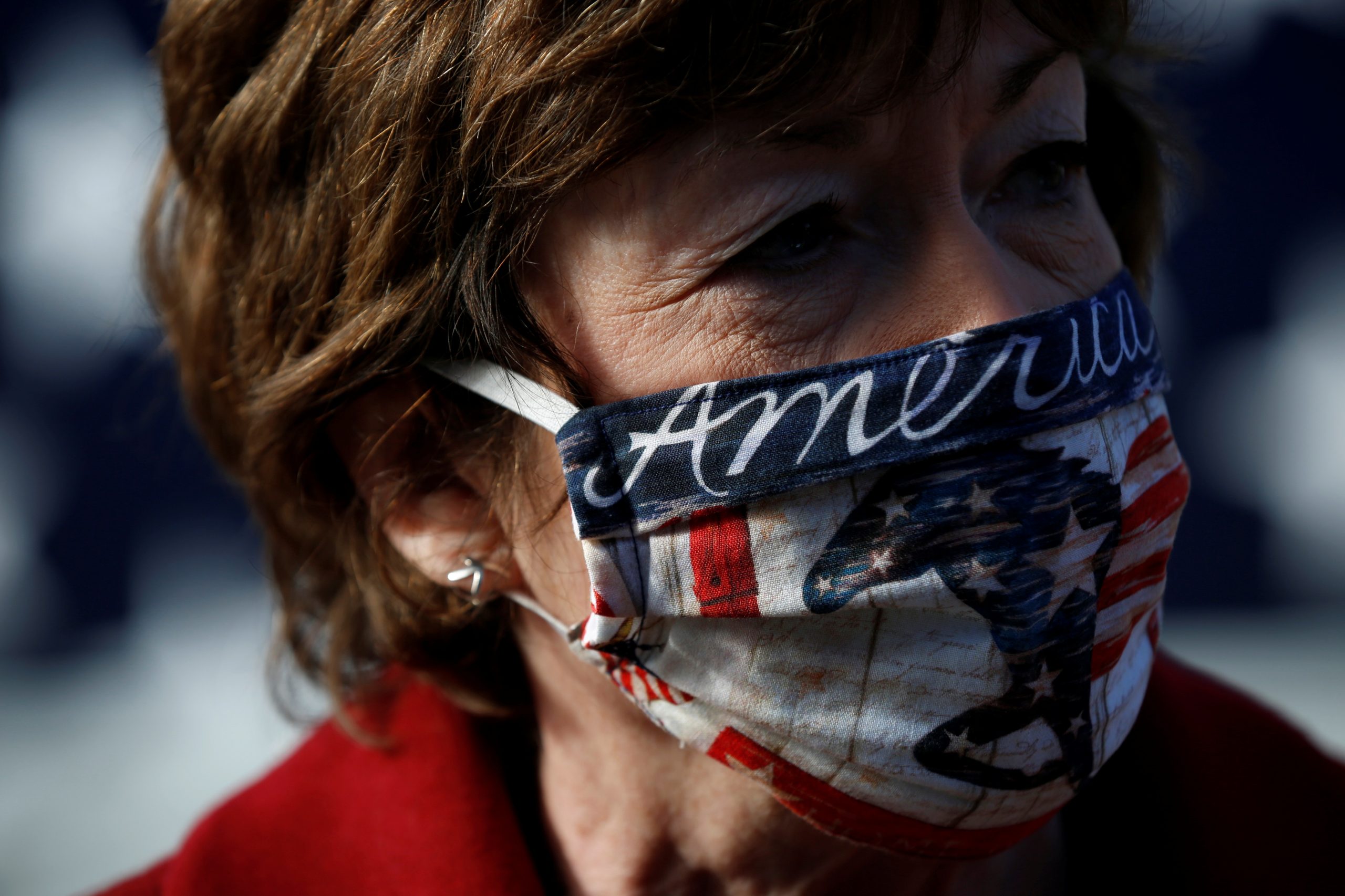
U.S. Senator Susan Collins is fighting for her political life in a race that could decide control of the Senate, having enjoyed years of popularity as an independent-minded moderate before fellow Republican Donald Trump entered the White House.
A senator from Maine since 1997 who has voted with Trump two-thirds of the time, Collins is among nine Republicans whose prospects for re-election have been thrown into doubt in a chamber where their party holds a mere 53-47 majority.
Trailing her Democratic rival in opinion polls and fundraising, Collins, 67, faces a reckoning with longtime supporters, unsettled by her tepid criticisms of Trump and her votes for White House priorities including the 2018 confirmation of Supreme Court Justice Brett Kavanaugh despite charges of sexual misconduct, which he denied.
Incurring Trump’s wrath, Collins on Monday became the sole Republican senator to reject his choice of Amy Coney Barrett to fill another Supreme Court seat. She said it was inappropriate to fill the vacancy so close to a presidential election.
Collins has voted with Trump 67.5% of the time, according to the website FiveThirtyEight.com, making her the Senate Republican least aligned with the president. But that distinction may not save her career in Maine.
Democratic rival Sara Gideon, the 48-year-old speaker of the Maine House of Representatives, has led Collins in opinion polls since early July while driving home the message that the Republican long viewed as independent of her party has knuckled under to Trump.
Maine has a history of electing moderate Republicans, including Senator Margaret Chase Smith, the first woman to serve in both the U.S. House of Representatives and then the Senate before leaving office in 1973.
It also elected Paul LePage, who served as governor from 2011 to 2019 and brought a proto-Trumpian combative style of politics to the mostly rural far northeastern state.