



T-Shirts Worn by WNBA Stars Fuel Widespread Online Debate
Oh, they didn’t just wear matching t‑shirts. They detonated a grenade in the middle of their own spotlight. Saturday night’s WNBA All‑Star Game was supposed to be a celebration, but instead, every camera caught players…
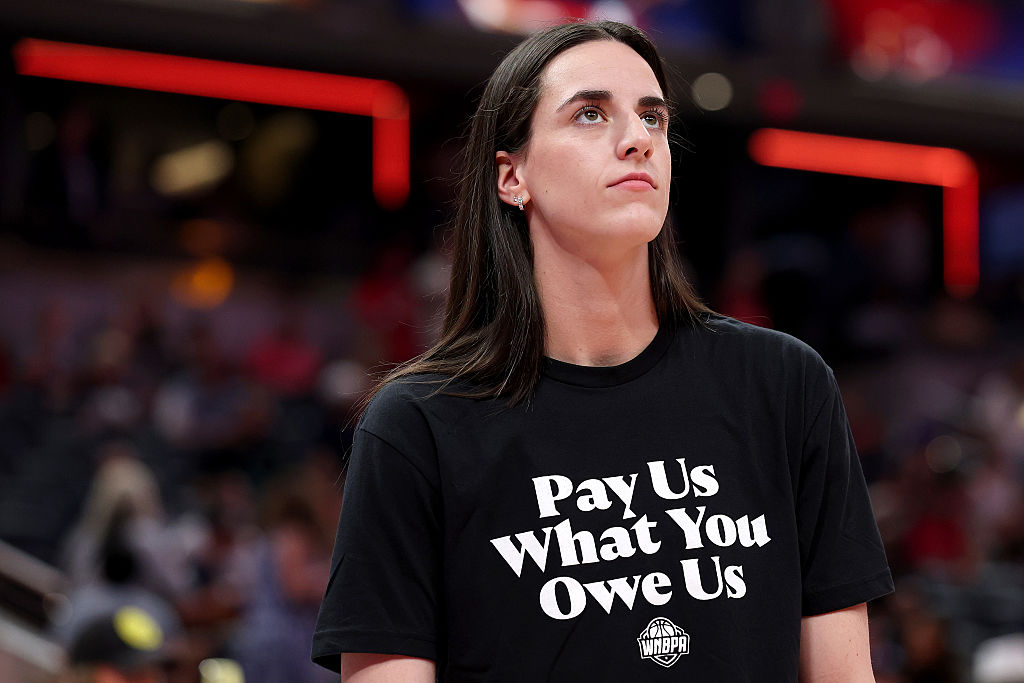
Oh, they didn’t just wear matching t‑shirts. They detonated a grenade in the middle of their own spotlight.
Saturday night’s WNBA All‑Star Game was supposed to be a celebration, but instead, every camera caught players strutting onto the court in bold black letters: “Pay Us What You Owe Us.” And just like that, the internet erupted—half in disbelief, half in laughter, and plenty of folks asking a very obvious question: Owe you… what, exactly?
Let’s just lay it out. The WNBA is not just operating at a loss; it’s practically living in the NBA’s basement rent‑free. According to financial reports, it’s losing tens of millions a year—$40 million, $50 million, take your pick—while the big brother NBA covers the bills. Yet here they are, demanding more money, standing under a banner that might as well read: “Pay us more for the product you’re not buying.” And people noticed.
Jake Crain didn’t mince words, saying there’s “no league as tone‑deaf as the WNBA.” Think about it: showing up in shirts that scream for more cash while your league survives on subsidies? That’s like asking for a raise from the boss whose wallet you’ve already drained. Bonchie from Red State skewered them with a mock headline that practically wrote itself: “‘We’re losing $50 million a year—let’s double down on being insufferable.’” It stings because it’s true, and the players handed critics that punchline on a silver platter.
Then Jason Howerton twisted the knife with a brutal math lesson. Imagine your boss saying, “Sure, pay you what you’re owed? Funny, you actually owe us $231K each.” You could practically hear keyboards clattering as the jokes rolled in. Social media lit up with reminders that the WNBA’s most bankable star—Caitlin Clark—has been taking cheap shots on the court while single‑handedly driving attendance and merch. The irony was thick enough to cut with a knife.