



Tom Cotton Is Concealing Classified Gain-Of-Function Docs, Rand Paul Says
Senate Intelligence Committee Chairman Tom Cotton is pushing the intelligence community to conceal classified documents on gain-of-function research, Sen. Rand Paul said in a television interview.
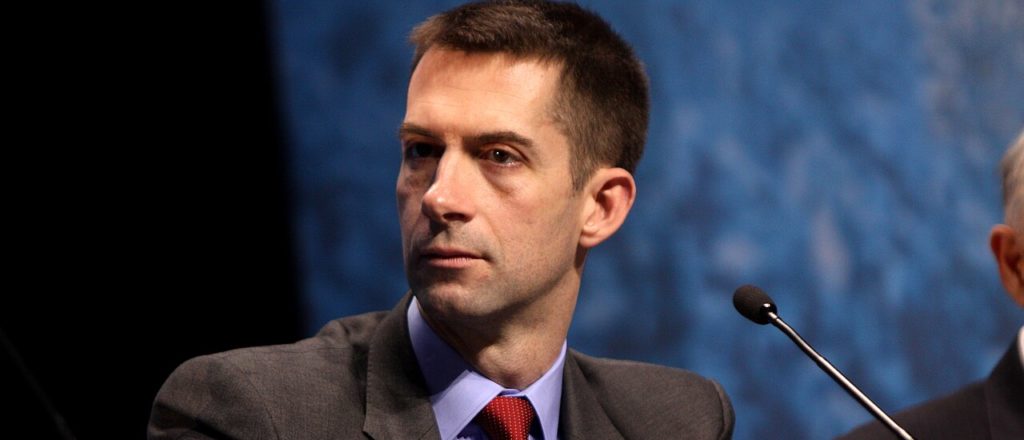

Senate Intelligence Committee Chairman Tom Cotton is pushing the intelligence community to conceal classified documents on gain-of-function research, Sen. Rand Paul said in a television interview.
Paul has investigated ties between the coronavirus lab in Wuhan and his longtime foe Anthony Fauci’s institute at the National Institutes of Health (NIH) as the chairman of the Senate Homeland Security and Governmental Affairs Committee. Recent evidence has revealed that some virology research at the NIH was undertaken on behalf of the intelligence community, bringing some relevant documents under the purview of Cotton’s Intelligence Committee.
Behind-the-scenes squabbling between committee chairmen is not unusual, but it rarely spills into public view.
“There’s an internal fight in Congress,” Paul said in an interview with Just The News published Thursday. “So Tom Cotton is the chairman of the Intelligence Committee. He is doing everything he possibly can to prevent us from getting information about these programs. He has written to the Director of National Intelligence and said that he does not want any information shared with our committee.”
Cotton and the Office of Director of National Intelligence did not immediately respond to a request for comment.
The Daily Caller News Foundation first reported that Fauci’s institute entered into secret agreements with the CIA to do research on biodefense in the early 2000s. An undated interagency agreement obtained by Paul’s committee between the CIA and Fauci’s National Institute of Allergy and Infectious Diseases (NIAID) calls for collaboration on “forensic microbiology” on bioterrorism bugs. A separate public document from that time highlighted by the committee indicates that the CIA may have recruited virologists as intelligence informants in labs abroad.