



Trump’s New Executive Order Invoking The Defense Production Act Draws Attention
President Donald Trump dropped a political grenade late Wednesday, signing an executive order aimed at ramping up domestic production of glyphosate and elemental phosphorus — and the backlash was immediate. Invoking the…
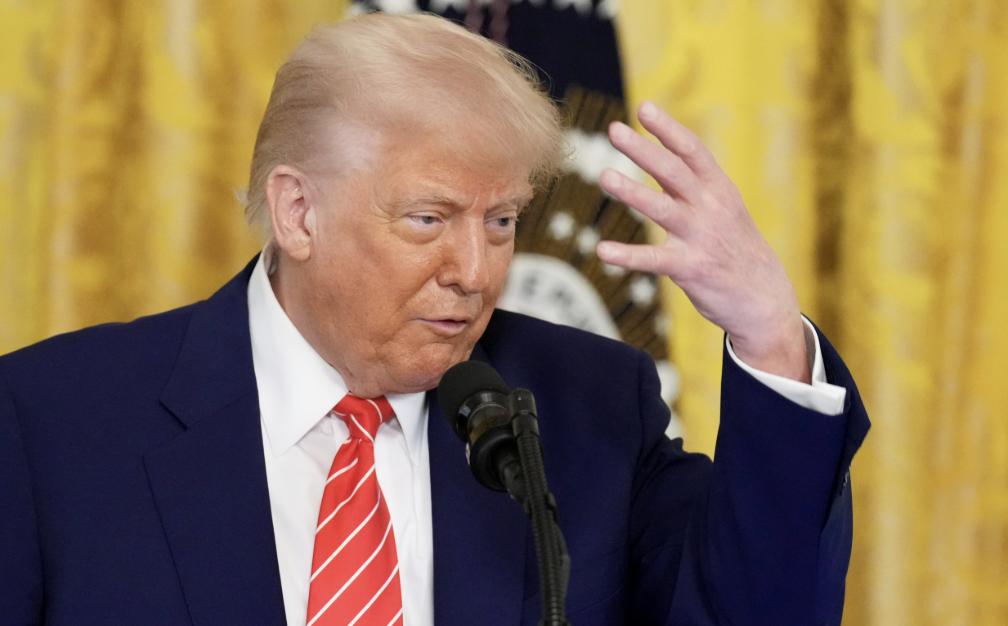
President Donald Trump dropped a political grenade late Wednesday, signing an executive order aimed at ramping up domestic production of glyphosate and elemental phosphorus — and the backlash was immediate.
Invoking the Defense Production Act, Trump’s order moves to safeguard U.S.-based production of elemental phosphorus and glyphosate-based herbicides, calling both “crucial to the national security and defense” of the United States. The White House made the case bluntly: without these inputs, America’s food supply — and by extension, national security — is vulnerable.
“Ensuring an adequate supply” of these materials is essential to “protecting the health and safety of Americans,” Trump wrote.
Glyphosate, first registered as a pesticide in 1974, is one of the most widely used herbicides in the world. Farmers rely on it to kill weeds and grasses that threaten crop yields. But it has long been at the center of heated legal and scientific battles. A June 2025 Environmental Health study found low doses of glyphosate caused multiple types of cancer in rats, according to researchers at George Mason University.
That finding adds fuel to a fire that has been burning for years.
Health and Human Services Secretary Robert F. Kennedy Jr. previously blasted glyphosate as “one of the likely culprits in America’s chronic disease epidemic.” In a June 2024 post on X, Kennedy claimed much exposure comes from its use as a desiccant on wheat, writing, “From there it goes straight into our bodies. My USDA will ban that practice.”
Yet on Thursday, Kennedy stood firmly behind Trump’s executive order.
“Donald Trump’s Executive Order puts America first where it matters most — our defense readiness and our food supply,” Kennedy said in a statement. “When hostile actors control critical inputs, they weaken our security. By expanding domestic production, we close that gap and protect American families.”
The White House doubled down. Spokesman Kush Desai stressed that modern weapons systems and food production alike depend on elemental phosphorus. “America has just one domestic producer,” he said, warning of “precarious foreign reliance.”