



Trump’s Operation Epic Fury Is A Strategic Masterstroke
A sweeping U.S. military campaign against Iran is already being described by supporters as a strategic turning point in the Middle East — and a defining moment for President Donald Trump’s national security doctrine. In…
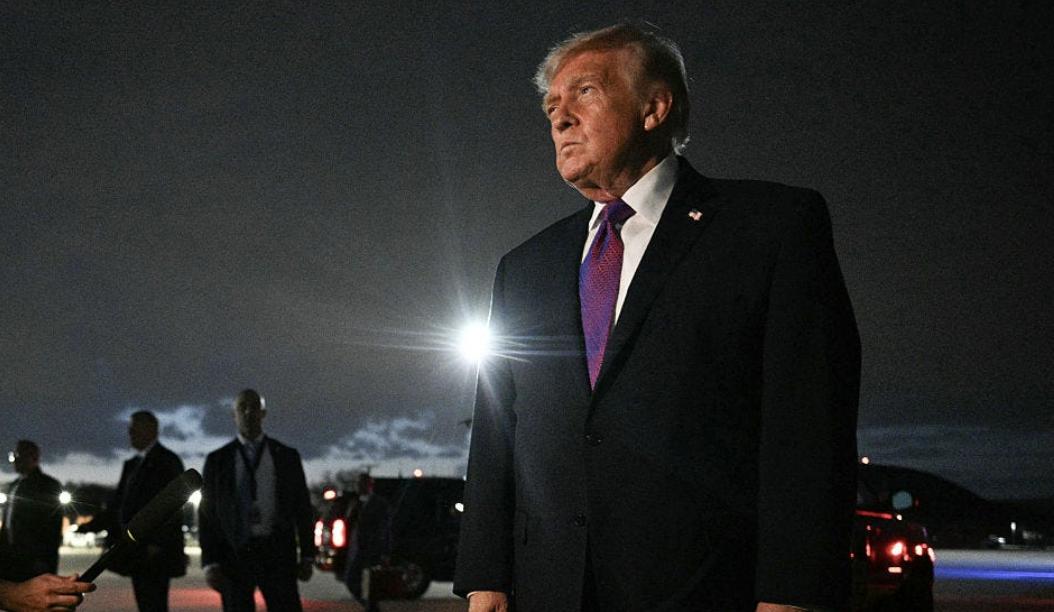
A sweeping U.S. military campaign against Iran is already being described by supporters as a strategic turning point in the Middle East — and a defining moment for President Donald Trump’s national security doctrine.
In just days, Operation Epic Fury has reportedly wiped out key elements of Iran’s leadership, severely damaged its ability to support terrorist networks, and shifted the geopolitical balance across the region. Early reactions suggest the operation has rallied much of the Middle East — and many U.S. allies — around a clear American objective: neutralizing one of the world’s most persistent sponsors of global terrorism.
While the full consequences are still unfolding, supporters of the administration argue the operation reflects a revival of one of America’s oldest foreign policy principles — peace through strength.
Critics in Washington, particularly among Democrats, have sharply condemned the strikes. Many accuse Trump of escalating conflict and bypassing diplomacy. Some remain attached to the diplomatic framework championed by former President Barack Obama, which attempted to restrain Iran’s nuclear ambitions through negotiations, sanctions relief, and economic incentives.
But advocates of the current strategy argue that decades of diplomatic outreach have produced little change from Tehran’s ruling regime.
Since the 1979 Islamic Revolution, eight U.S. presidents have attempted some form of engagement with Iran’s leadership. The result, critics say, has been a long record of proxy warfare, terrorist activity, and geopolitical confrontation across the Middle East.
From that perspective, Operation Epic Fury represents a recognition that diplomacy alone had reached a dead end.
Supporters of the operation also stress that Trump’s decision was not a rejection of diplomacy altogether. Instead, they argue it reflects the belief that diplomacy must be backed by credible military power to succeed. Without that leverage, negotiations risk becoming symbolic gestures rather than effective tools of statecraft.
The operation also relied heavily on close coordination with Israel, whose intelligence capabilities and military strength played a key role in the campaign.