



In Tulsa, Fears That Trump Rally May Worsen Racial Unrest, Spread of Coronavirus
When President Donald Trump takes the stage at his first rally in three months on Saturday night, the scene in Tulsa, Oklahoma, will be familiar: a large venue filled with ardent supporters wearing “Keep America Great”…
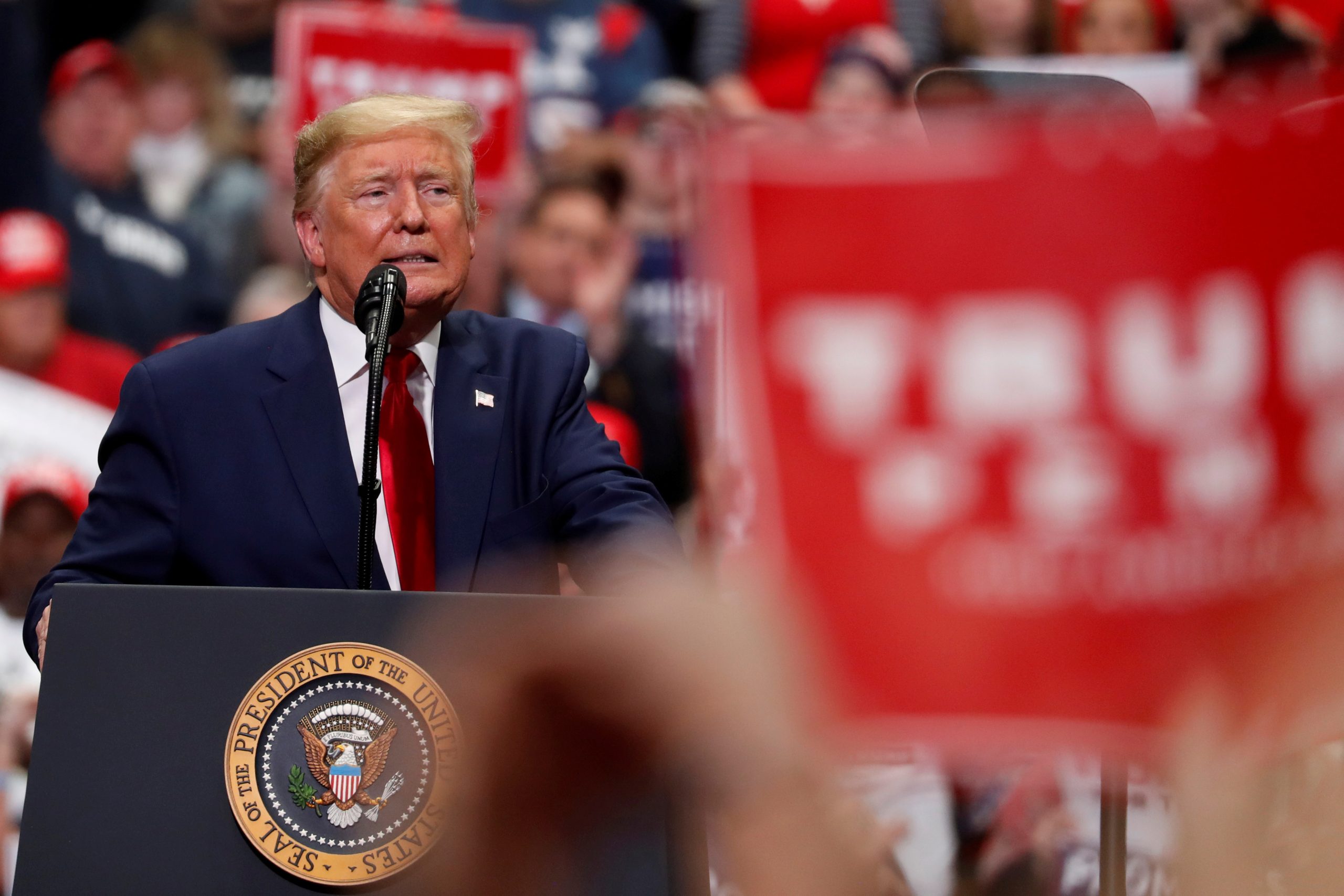
When President Donald Trump takes the stage at his first rally in three months on Saturday night, the scene in Tulsa, Oklahoma, will be familiar: a large venue filled with ardent supporters wearing “Keep America Great” hats and T-shirts.
But outside the 19,199-seat arena is a country reshaped by the coronavirus pandemic, an economic collapse and a wave of protests over police brutality and racial injustice, a trio of crises that have dented his support just months before the Nov. 3 election.
Trump’s campaign advisers believe the rally is a way to rejuvenate his base and display the enthusiasm behind his re-election bid, at a time when a string of national and state opinion polls have shown Trump falling behind his Democratic rival, Joe Biden.
But even some Republican allies worry that his divisive rhetoric and unapologetic appeal to his conservative base may appear increasingly out of step with changing public opinion in the aftermath of last month’s killing of George Floyd, a black man, while in police custody in Minneapolis.
“His style and message won’t change, but the world has. I don’t know if he can get to places that people now care about,” said Amy Koch, a Republican strategist based in Minnesota, a battleground state Trump narrowly lost in 2016 and aims to flip this year.
In Tulsa, officials said they were worried the rally would set the stage for potential clashes between Trump supporters and protesters who may try to crash the event to argue the Republican president has failed to address racial injustice or police brutality against African Americans.
Trump has positioned himself as a “law-and-order” president and advocated a militarized response to the protests, calling on states to crack down on the unrest.
Residents have also been rattled by the prospect of a large, indoor gathering – the biggest such event in the United States since the coronavirus pandemic began in March, at a time when Oklahoma, along with other states, has reported a new spike in COVID-19 cases.