



US Companies Discover the Dark Side of a COVID-19 Business Boom
Kevin Kelly has discovered the many ways a deadly pandemic can be both a boom and a burden on some U.S. businesses. As the nation clamped down with stay-at-home orders, Kelly said his company, Emerald Packaging Inc. in…
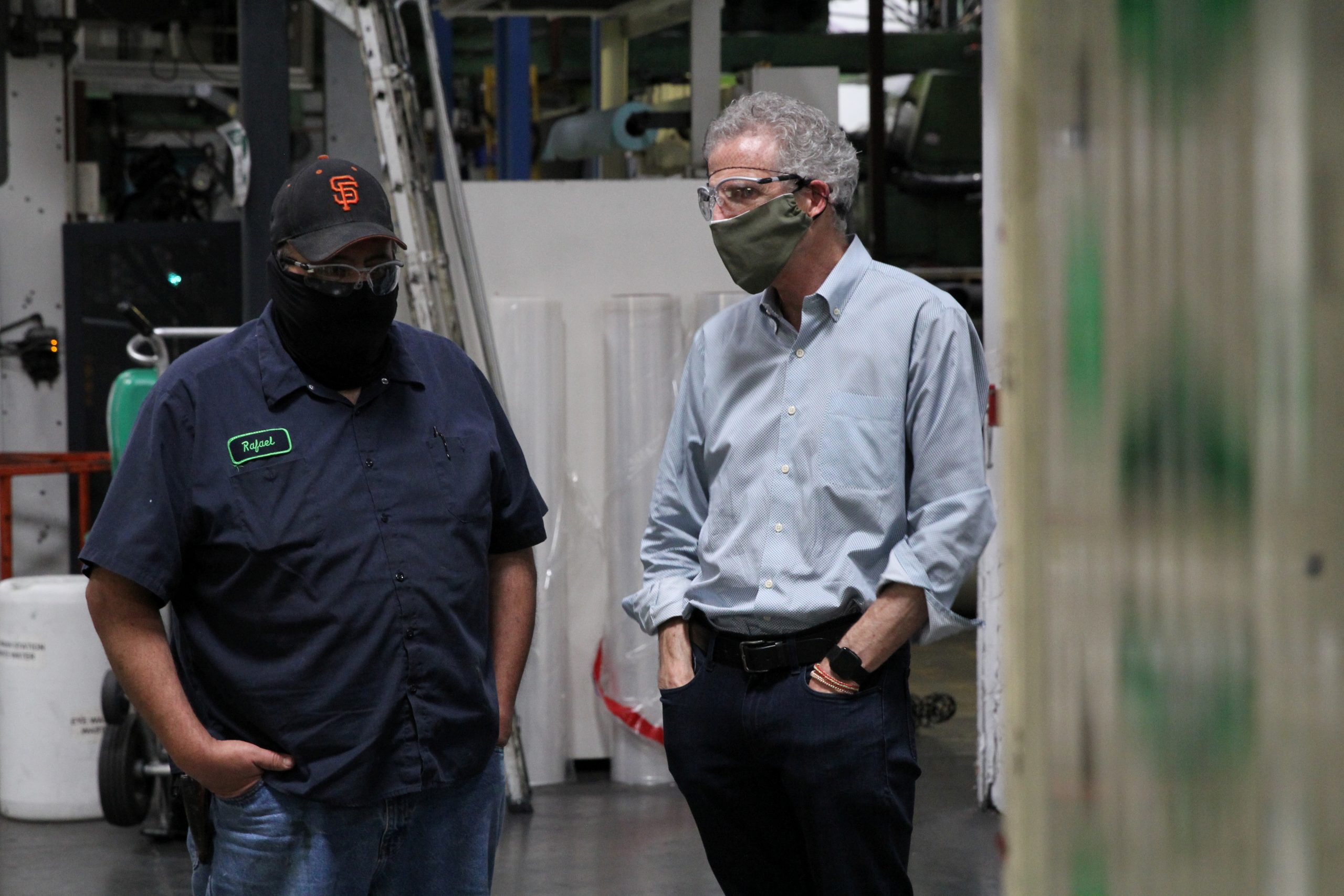
Kevin Kelly has discovered the many ways a deadly pandemic can be both a boom and a burden on some U.S. businesses.
As the nation clamped down with stay-at-home orders, Kelly said his company, Emerald Packaging Inc. in Union City, Calif, saw demand for the factory’s output explode. Emerald churns out plastic bags for produce, like baby carrots and iceberg lettuce, and Kelly attributed the growth, in part, to the perception that packaged produce is a safer alternative to unwrapped items.
Emerald represents the other side of the current novel coronavirus crisis, which has seen unemployment surge to levels not seen since the Great Depression. The jobless rate hit 14.7% in April. While many companies face a slump, some are rushing to add workers, including delivery services like Instacart. A recent survey by the Atlanta Fed concluded there have been three jobs added to the U.S. economy for every 10 layoffs.
Eric Schnur, CEO of specialty chemical maker Lubrizol Corp., owned by Warren Buffett’s Berkshire Hathaway Corp, said he anticipates “many millions in extra costs associated with responding to COVID-19.” Lubrizol’s business boom includes a three-fold increase in its output of the gelling agent used to make hand sanitizer.
Schnur said the extra costs go beyond stepped up cleaning and safety equipment and includes “significant increases in supply chain and logistics costs as we work to get our materials to those who have the greatest need.”
Another company facing added costs is Calumet Electronics Corp., in Calumet, Mich., which said it has spent $80,000 on everything from soap to mobile desks to keep workers safe through the crisis.
For Emerald, orders surged 150% in March and were up another 7% in April. But there’s a dark side to that surge, both in terms of cost and complexity.
All the steps the company has taken — both to boost output and keep workers safe — are expected to add at least $350,000 to costs by the end of the year. This doesn’t include the lost production time, which adds up to at least an hour each day, that machines have to be shut down for cleaning. Kelly, Emerald’s chief executive officer, said he hasn’t figured out what this will do to his profits, but he expects a big hit to his margins. Emerald is a family-owned business with annual sales of about $85 million.