



US Employment Growth Slows in September, Unemployment Rate Drops To 7.9 Percent
U.S. job growth slowed more than expected in September as the recovery from the COVID-19 slump shifts into lower gear amid diminishing government money and a relentless pandemic, leaving many at the risk of being…
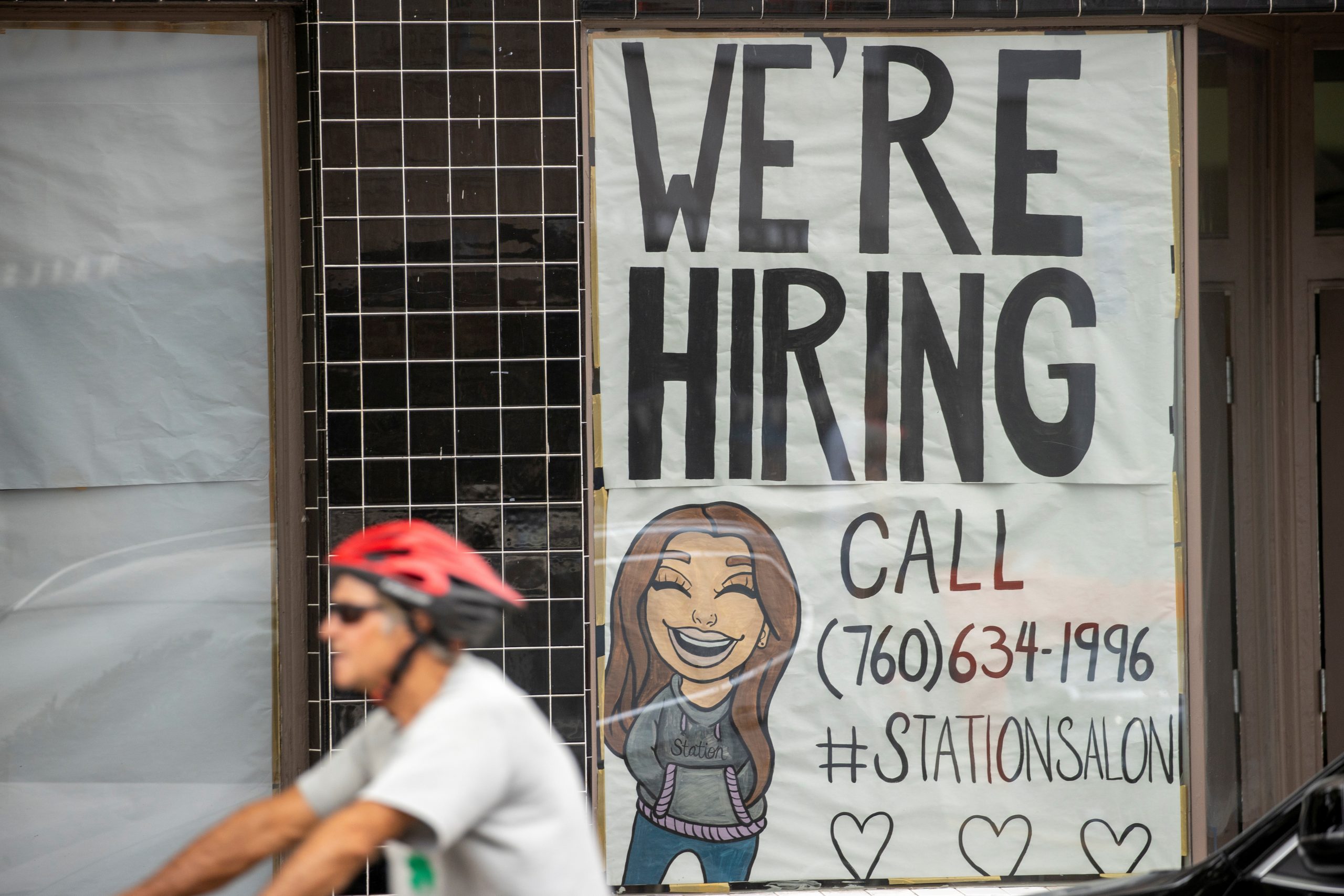
U.S. job growth slowed more than expected in September as the recovery from the COVID-19 slump shifts into lower gear amid diminishing government money and a relentless pandemic, leaving many at the risk of being permanently unemployed.
In the last monthly employment report before the Nov. 3 presidential election, the Labor Department on Friday said nonfarm payrolls increased by 661,000 jobs last month after advancing 1.489 million in August. Economists polled by Reuters had forecast 850,000 jobs were created in September.
Employment growth peaked in June when payrolls jumped by a record 4.781 million jobs.
The unemployment rate fell to 7.9% in September from 8.4% in August. While the jobless rate has declined from a high of 14.7% in April, it has been biased down by people misclassifying themselves as being “employed but absent from work.”
Friday’s numbers are sure to become a political football in the race for the White House for which the economic blow from the pandemic has been a top issue.
For his part, Republican President Donald Trump is likely to tout the fifth straight month of job gains and lower unemployment as a sign of progress for an Economy that plunged into recession in February.
But September’s employment gains were the smallest since the jobs recovery started in May and left the labor market a long way from recouping the 22.2 million jobs lost in March and April, indicating slower growth heading into the fourth quarter.
Former Vice President Joe Biden, the Democratic Party nominee, blames the economic turmoil on the White House’s handling of the pandemic, which has killed more than 200,000 people and infected over 7 million in the nation.
Trump said on Friday that he and his wife Melania had tested positive for COVID-19.
“The recovery continues but at slower rate in part because the government stimulus has diminished significantly,” said Sung Won Sohn, a finance and economics professor at Loyola Marymount University in Los Angeles. “We are seeing more layoffs and bankruptcies, and until the next government comes in with more support, I would not be surprised to see a renewed decline in employment toward the end of the year.”