



US Supreme Court to Hear Presidential Electoral College Dispute
The Supreme Court is set on Wednesday to consider a dispute involving whether “electors” in the complex Electoral College system that decides the winner of U.S. presidential elections are free to disregard laws…
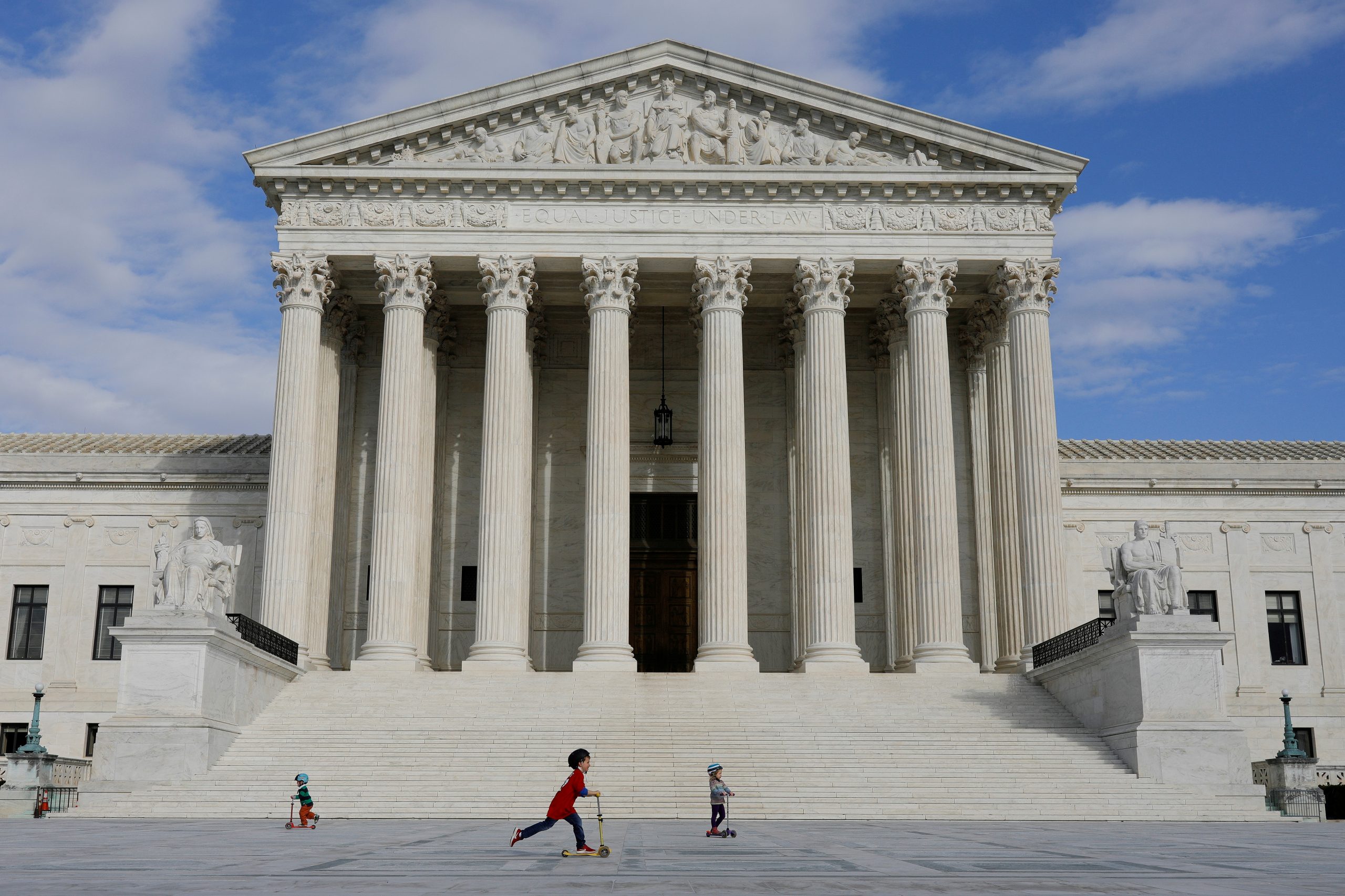
The Supreme Court is set on Wednesday to consider a dispute involving whether “electors” in the complex Electoral College system that decides the winner of U.S. presidential elections are free to disregard laws directing them to back the candidate who prevails in their state’s popular vote.
If enough electors do so, it could upend an election.
The nine justices will hear two closely watched cases – one from Colorado and one from Washington state – less than six months before the Nov. 3 election in which presumptive Democratic nominee Joe Biden challenges Republican President Donald Trump.
The litigation involves the presidential election system set out in the U.S. Constitution in which the winner is determined not by amassing a majority in the national popular vote but by securing a majority of electoral votes allotted to the 50 U.S. states and the District of Columbia.
The cases involve so-called faithless electors who did not vote for Democratic candidate Hillary Clinton in the 2016 Electoral College even though she won the popular vote in their states.
Colorado and Washington state are among the 48 states – only Maine and Nebraska excepted – with winner-takes-all systems awarding all electors to the candidate who wins the state’s popular vote.
The Electoral College vote, held weeks after the general election, is often overlooked as a mere formality in which the electors – typically party loyalists – actually vote for the winner of their state’s popular vote.
But in 2016, 10 of the 538 electors voted for someone else. While that number of so-called faithless electors did not change the election’s outcome, it would have in five of the 58 previous U.S. presidential elections.
State officials have said faithless electors threaten the integrity of American democracy by subverting the will of the electorate and opening the door to corruption. The plaintiffs said the Constitution requires them to exercise independent judgment to prevent unfit candidates from taking office.