



VIJAY JAYARAJ: EPA’s CO2 Reversal Is Welcome Opening For Developing World
On a crisp, sun-drenched afternoon in the spring of 2023, I found myself walking down Constitution Avenue in Washington, D.C., in front of the William Jefferson Clinton Building, headquarters of the U.S. Environmental…
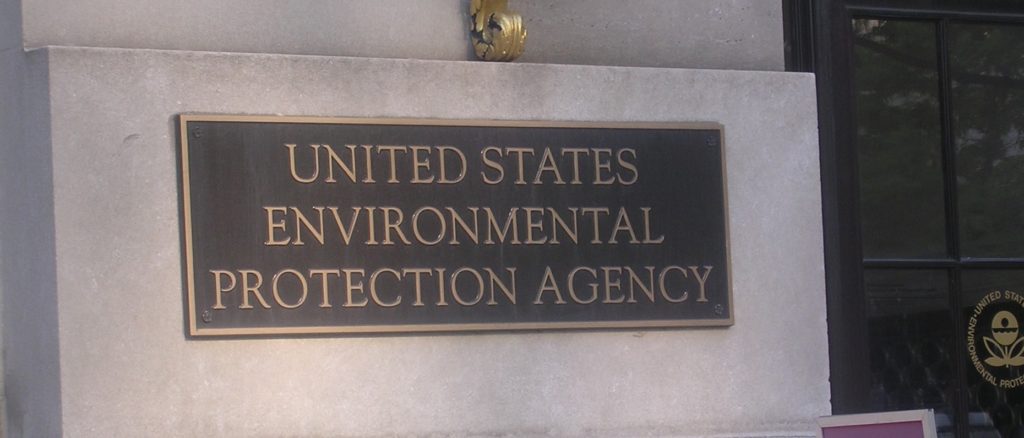

On a crisp, sun-drenched afternoon in the spring of 2023, I found myself walking down Constitution Avenue in Washington, D.C., in front of the William Jefferson Clinton Building, headquarters of the U.S. Environmental Protection Agency (EPA).
Standing in its shadow, I wondered when, or if, sanity would ever return to the building. My mind drifted to the regulatory malfeasance that gave this agency power to treat carbon dioxide (CO2) as a pollutant, the 2009 Endangerment Finding.
For years, this bureaucratic decree masqueraded as settled science. Climate zealots claimed CO2 and other greenhouse gases threatened public health as agents of planetary overheating, ignoring both a paucity of supporting data and contradictory evidence that inexorably accumulated.
Now, three years after my visit, EPA has rescinded the regulation as it applies to motor vehicles. The basis of its action is twofold: First, the agency has concluded that by attempting to regulate greenhouse gases, EPA exceeded its authority under the 1970 Clean Air Act. Second, the environmental effect of regulating tailpipe emissions of greenhouse gases is negligible.
There is more to be done. Reason and good sense would have the EPA remove the Endangerment Finding’s hold over industrial emissions of greenhouse gases, like those coming from power plants, and would undertake to dismantle the rule’s flimsy scientific justifications.
Nevertheless, EPA’s action undermines an ideological foundation for the broad attacks on fossil fuels that have constrained American prosperity and choked the developing world’s aspirations for modern lifestyles.
The 2009 regulation was used to justify the Obama administration’s Clean Power Plan – part of the so-called War on Coal – and tailpipe emissions standards that forced unwanted electric vehicles onto dealership lots. The rule has contributed to the closing of power plants, energy shortages, high electricity prices, and multiple billion-dollar losses for car manufacturers whose customers mostly prefer internal combustion engines. It has also fueled endless litigation against producers of hydrocarbon fuels.