



Voter Registrations Signal Major Shift
Voter registration patterns across the United States have changed noticeably over the past decade, and the trend is more complicated than a simple Republican gain or Democratic decline. According to a new USAFacts analysis, Democratic registration has fallen in 93 percent of counties in states that track partisan or unaffiliated voter registration, while Republican registration […]
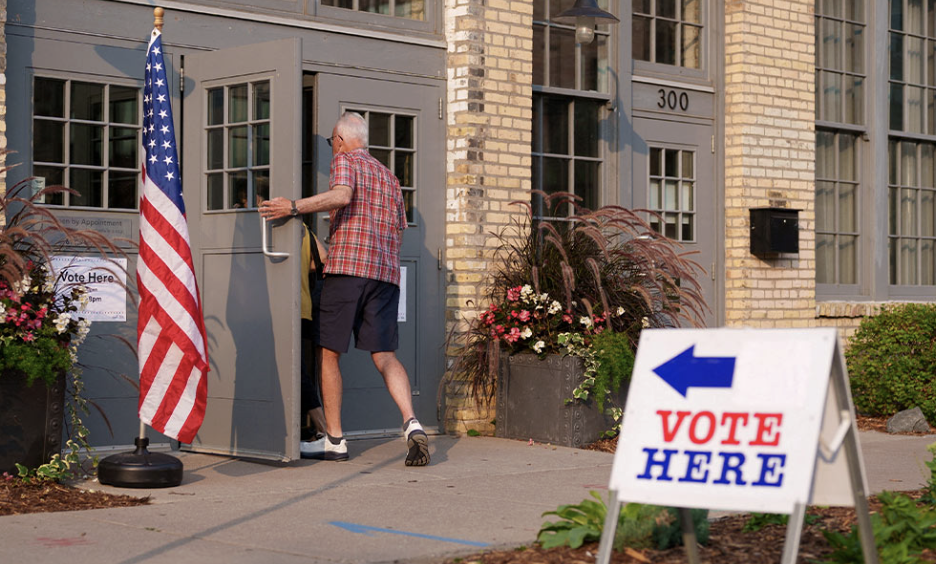
Voter registration patterns across the United States have changed noticeably over the past decade, and the trend is more complicated than a simple Republican gain or Democratic decline.
According to a new USAFacts analysis, Democratic registration has fallen in 93 percent of counties in states that track partisan or unaffiliated voter registration, while Republican registration has increased in 77 percent of those counties since 2016. At the same time, however, Independent, minor-party, and unaffiliated registrations have also grown sharply.
That third category may be the most important part of the story.
USAFacts examined 1,360 counties across 27 states with broad party-registration data. In roughly three-quarters of those counties, the share of voters registered outside the two major parties increased over the past decade. That means the long-term movement is not simply from Democrats to Republicans. In many places, voters appear to be moving away from formal party identification altogether.
North Carolina offers one of the clearest examples. Democratic registration fell in all 100 counties, while Republican registration increased in 78. At the same time, unaffiliated registration rose in every county.
In 2016, approximately 40 percent of North Carolina voters were registered Democrats, while Republicans and unaffiliated or minor-party voters each accounted for about 30 percent. A decade later, Democratic registration had fallen to about 30 percent, Republican registration remained near 30 percent, and unaffiliated or minor-party registration had climbed to roughly 40 percent.
Colorado shows a different version of the same broader trend.
The state spent much of the 20th century leaning Republican before becoming increasingly Democratic in statewide elections during the 2000s and 2010s. Yet party registration there has been moving away from both major parties. Between 2016 and 2026, unaffiliated and minor-party registration rose from about 38 percent to 54 percent. Democratic registration declined from 31 percent to 24 percent, while Republican registration fell from 31 percent to 22 percent.
The result is a state in which neither major party comes close to representing a majority of registered voters.