



WaPo Editorial Board Slams Biden’s ‘Regressive’ and ‘Expensive Mistake’ of Student Loan Cancellation
President Joe Biden is receiving criticism for his student loan cancellation plan. On Wednesday, The Washington Post’s editorial board ripped into the decision in an editorial titled, “Biden’s student loan announcement…
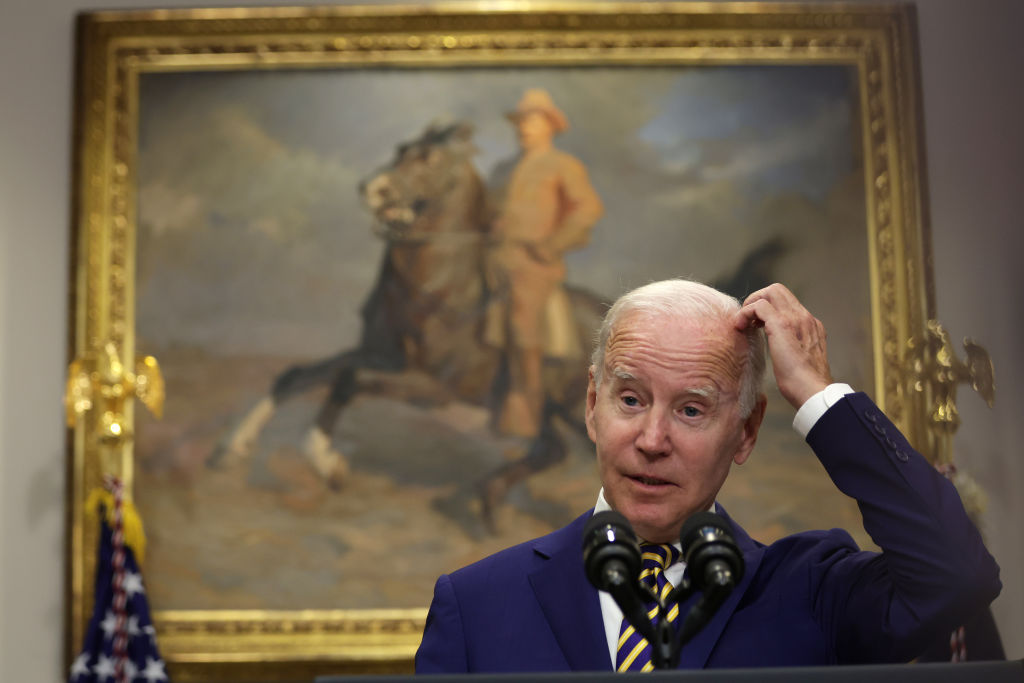
President Joe Biden is receiving criticism for his student loan cancellation plan.
On Wednesday, The Washington Post’s editorial board ripped into the decision in an editorial titled, “Biden’s student loan announcement is a regressive, expensive mistake.” It wrote, “Under progressive pressure to force grandiose policy changes, President Biden has generally embraced sensible reforms over flashy gimmicks. But his Wednesday student loan announcement did just the opposite.”
The editorial noted that then-President Donald Trump implemented a freeze on student loan payments in Mar. 2020 due to the COVID-19 pandemic. But it added, “Thankfully, the situation is very different today: The unemployment rate for people with bachelor’s degrees and higher is just 2 percent. It’s hard to make the case that college graduates are still facing an unprecedented crisis.”
“The loan-forgiveness decision is even worse. Widely canceling student loan debt is regressive. It takes money from the broader tax base, mostly made up of workers who did not go to college, to subsidize the education debt of people with valuable degrees,” the opinion piece stated.
It went on to note that while the plan has a $125,000 a year income cap to be eligible for the cancellation, it “does not reflect need or earnings potential, meaning white-collar professionals with high future salaries stand to benefit.”
“Mr. Biden’s plan is also expensive — and likely inflationary. The Committee for a Responsible Federal Budget estimates that extending the loan pause to the end of the year would cost $20 billion, while forgiving $10,000 for households making less than $300,000 would cost $230 billion. Together, these policies would nullify nearly a decade’s worth of deficit reduction from the Inflation Reduction Act,” the editorial board added.