



‘We Need A Bold Senate GOP Leader’: Leadership Hopefuls Slated To Pitch Colleagues In Candidate Forum
The three Republican hopefuls vying to replace outgoing Senate Republican leader Mitch McConnell during the first two years of Trump’s second term will present their pitches this evening to their Republican colleagues…
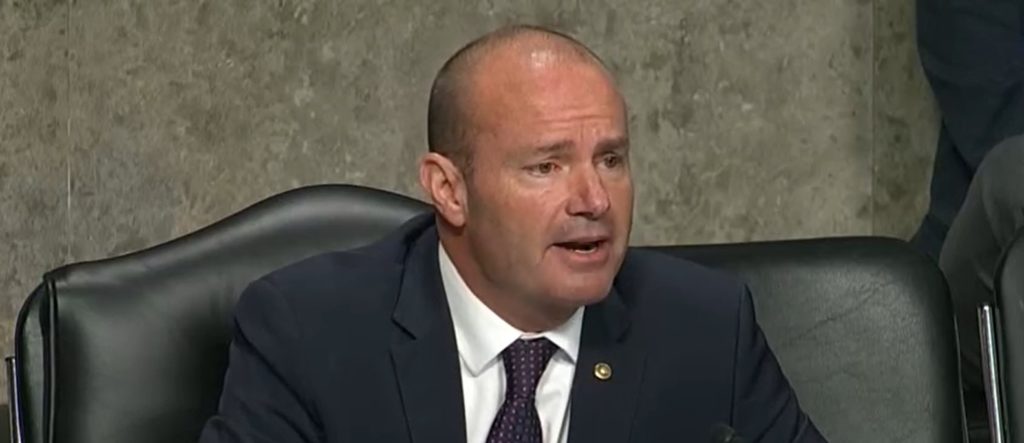

The three Republican hopefuls vying to replace outgoing Senate Republican leader Mitch McConnell during the first two years of Trump’s second term will present their pitches this evening to their Republican colleagues.
Republican Utah Sen. Mike Lee, chair of the Senate Republican Steering Committee, will host the forum. He has called on Republican Sens. John Thune of Utah, John Cornyn of Texas and Rick Scott of Florida to articulate a “clear vision” on how they plan to lead Senate Republicans and work with President-elect Donald Trump to implement his legislative priorities.
Senate Republicans are set to vote tomorrow on which candidate will lead the conference. The vote is conducted anonymously and may take a second round to reach the required 27-vote threshold.
“With the upcoming election for Republican Leader, I, as well as many other members of this body, hope to have the opportunity to hear from the candidates, pose questions to them, and have a ‘family discussion’ on their vision for the future of our Conference,” Lee wrote in a Nov. 1 statement announcing the forum.
Despite most Republican senators choosing to stay tight-lipped about which candidate they plan to support, many members agree that the status quo under McConnell’s 17-year leadership has to change.
“Senator Britt wants the next Republican Senate leader to significantly overhaul how the Senate has been operating and make it actually work for the American people,” a spokeswoman for Republican Alabama Sen. Katie Britt told the DCNF in a written statement. “She will be looking for candidates to showcase the ability to successfully advance President Trump’s agenda through Congress; a commitment to restore regular order in the appropriations process and end omnibuses; and a plan to empower committees and decentralize power within the chamber.”