



The Mystery Why Many Diets, Weight Loss Drugs Fail May Be Solved, New Study Suggests
New epigenetic research reportedly suggests that the reason many diets and weight loss drugs fail is because fat cells retain memory of an obese state, even after weight loss occurs.

New epigenetic research reportedly suggests that the reason many diets and weight loss drugs fail is because fat cells retain memory of an obese state, even after weight loss occurs.
A recent experiment conducted on mice studied a chemical mechanism in fat cells — in which the hormone asprosin present in the tissue that induces hunger, triggers an expression in the DNA, and creates a “biological memory” within the cell, the Washington Post reported Monday.
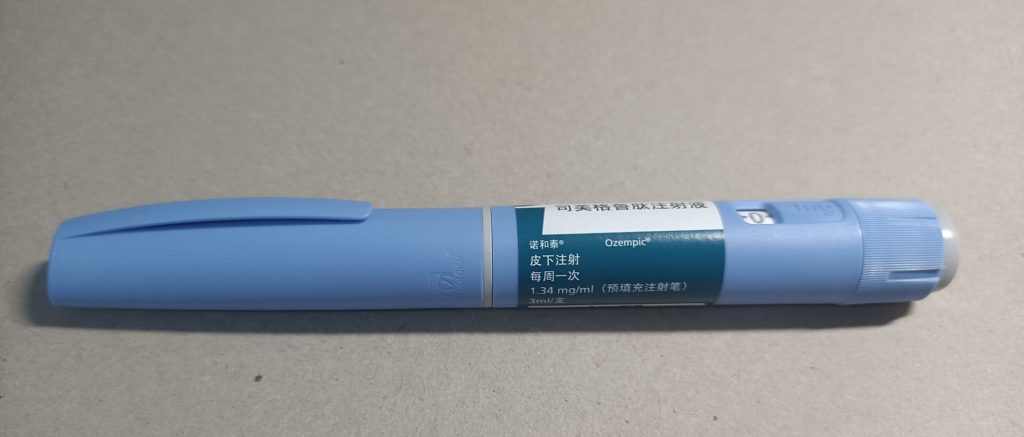
Weight-loss drugs such as Ozempic, have risen in popular use in the United States for their dramatic effects, leading to a national decline in obesity rates according to recent polls. Eleven percent of U.S. adults take GLP-1 medications for weight loss purposes, up from three percent use in 2024, a Gallup poll released in July found.
However, many users report the effects wearing off quickly after slowing down or stopping the medication, according to research from JAMA Internal Medicine.
Eighty-three percent of users who lost weight using the weight loss drug tirzepatide reported regaining 25 percent or more of their initial weight loss within a year of stopping use of the the drug, a study published in JAMA in November 2025 found.
The idea that cells carry memory of an obese state as “status quo” could explain these weight regain and altering the chemical make-up of the cell to turn certain functions on and off could lead researchers to better understand treatment of obesity in the future, the study found.
“If we understand where that memory is coming from, maybe eventually we’ll have some way to stop that,” Seth Field, a professor of medicine in endocrinology at Case Western Reserve University and an author of study, told the Washington Post.