



What Kevin Warsh Faces Heading Into The Fed
It is no exaggeration to say that newly installed Federal Reserve Chairman Kevin Warsh will be one the most scrutinized heads of the institution. His highly anticipated debut in this new role is scheduled for the…
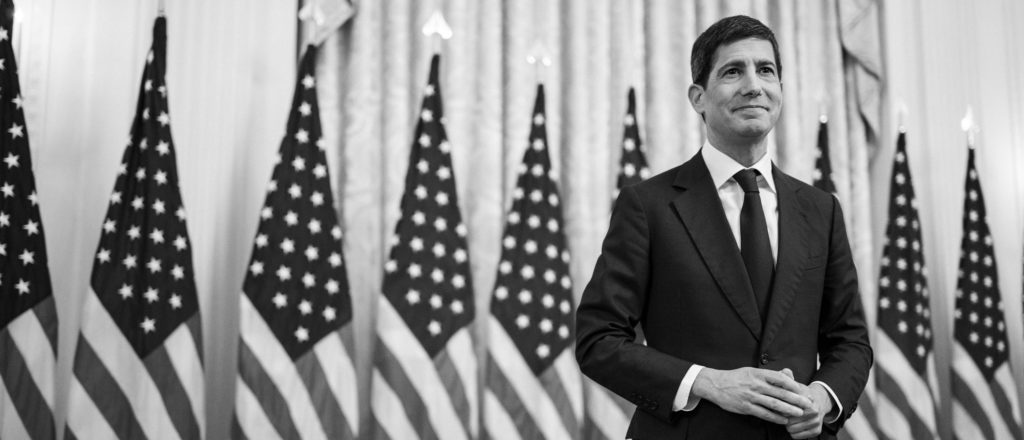

It is no exaggeration to say that newly installed Federal Reserve Chairman Kevin Warsh will be one the most scrutinized heads of the institution.
His highly anticipated debut in this new role is scheduled for the central bank’s meeting during the third week in June. As with his predecessors, his every public statement will be subject to debate and interpretation.
Markets would gyrate and traders would carefully dissect his tone when former Fed Chairman Alan Greenspan would indicate that he was “cautiously optimistic.” His successor Ben Bernanke inherited and presided over the “too big too fail” era in banking, and was jointly awarded the Nobel Prize in 2022 with two other economists “for research on banks and financial crises.” As for Jerome Powell, he will have his own balancing act as a former chairman now sidelined to member status.
Like many other government initiatives of the 20th century, the debate over establishment of a U.S. central bank was a tug of war between private sector acolytes and big government ideologies. As the American economy transitioned from a primarily agrarian to a more industrial economy, the need for a secure central banking system became essential rather than optional.
The First Bank of the United States was formed in 1791 and the Second Bank of the United States in 1816. It was the Panic of 1907 consisting of a run on several banks and the failure of a few that motivated the 62nd Congress to create a National Monetary Commission (NMC) to provide recommendations for the American monetary system. The NMC recommendation for a National Reserve Association was rejected as concentrating too much power in the private banking industry.
Upon the election of President Woodrow Wilson and a Democratically controlled Congress, a new framework proposing a grouping of regional reserve banks gained traction. This resulted in the Federal Reserve Act of 1913 (FRA) specifying between 8 and 12 independent