



WILL SELLERS: It’s Time To Remember That January 6 Is Not About Rioters
The Christian church calendar has for centuries noted that January 6 is Epiphany. On the political calendar, every four years, after the presidential election, Jan. 6 is the day appointed to tally the votes of the…
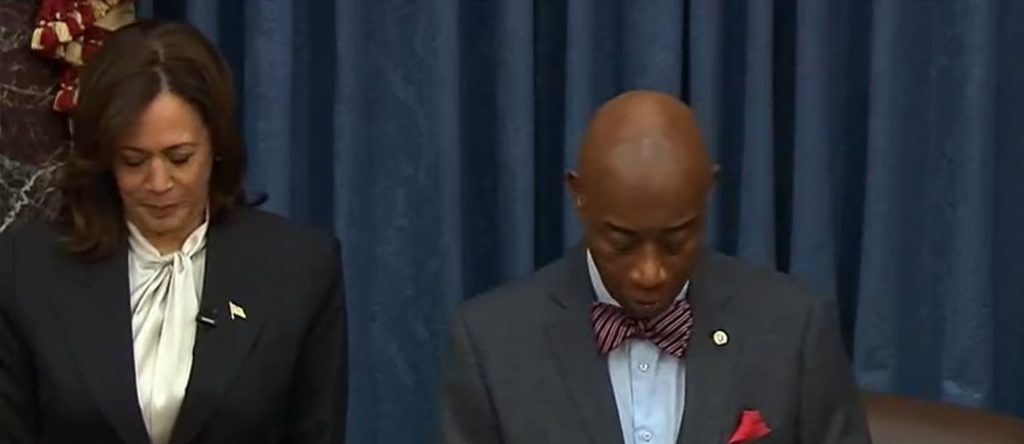

The Christian church calendar has for centuries noted that January 6 is Epiphany. On the political calendar, every four years, after the presidential election, Jan. 6 is the day appointed to tally the votes of the Electoral College during a joint session of Congress.
Formerly, this quadrennial ritual was little noticed and was simply one of those perfunctory acts to confirm what everyone already knew. But lately, the day has bordered on becoming an American version of Guy Fawkes Day.
Electing presidents is tricky business. In fact, our Constitution creates a procedure to make certain that our chief executive officer has the broadest support across the nation beholden to no small constituency. To do this, the Founders adopted an Electoral College, arguably the only true innovation in the Constitution. This “college” was a gathering of citizens elected within each state who would cast their respective state’s vote for president and vice president. Each state’s certificate of election from its Electors are sent to Washington to be counted.
For the most part, this system has worked well, but in hotly disputed elections this procedure has been scrutinized to reveal inadequacies. After the Civil War and Reconstruction, presidential elections were messy. And, because there was no set procedure in place states sent different certificates for different electors thinking Congress would sort it out. After several controversial elections, Congress passed the Electoral Count Act of 1887 to put in place a procedure for counting the Electoral College votes from each state to certify a winner of the presidential election.
One odd feature of this Act is that Jan. 6 is specifically appointed as the day for a Joint Session of Congress to count votes. Obviously, there are some similarities with Epiphany. So, unless it falls on a Sunday, after each presidential election, a joint session of Congress convenes on Jan. 6 and is presided over by the then sitting vice president as president of the Senate.