



WILLIAMS AND MCCALLUM: Strong ATF Director Pick Gives Trump Chance At Being Hero To Gun Owners
President Trump is five weeks into his second term, and he’s already off to a strong start in following through with his commitment to protect Americans’ Second Amendment rights. His executive orders directing the…
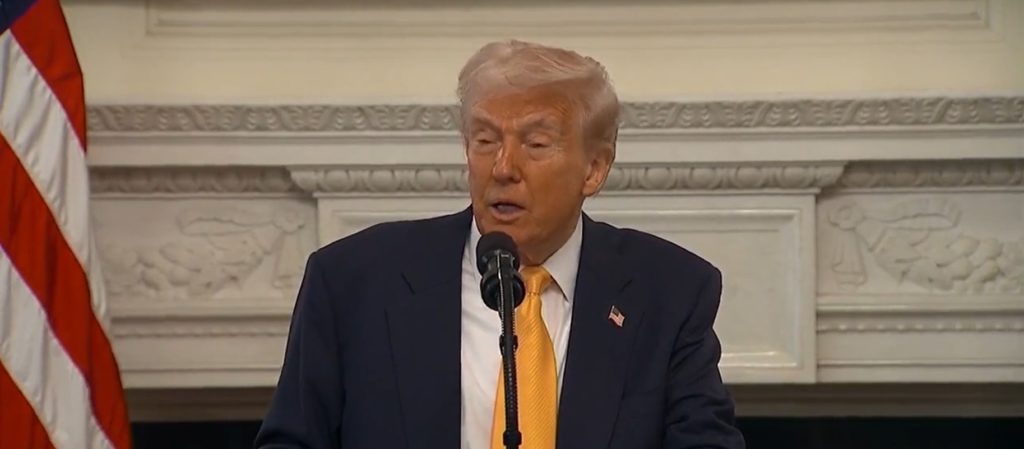

President Trump is five weeks into his second term, and he’s already off to a strong start in following through with his commitment to protect Americans’ Second Amendment rights. His executive orders directing the Department of Justice to put together a comprehensive pro-Second Amendment plan of action and ending the weaponization of the federal government are historic enough, but by making FBI Director Kash Patel the acting head of the Bureau of Alcohol, Tobacco, Firearms and Explosives (ATF), Trump can make even greater strides towards putting an end to federal law enforcement’s politicization against law-abiding Americans.
As both FBI director and acting ATF director, Patel has been presented with an historic opportunity to realign the ATF with its core mission: to go after criminals and protect the Second Amendment. Trump can cement his legacy as a hero to America’s 107 million gun owners by nominating an ATF director who understands and is equipped to execute this mission.
There is much work to be done. Under the Biden administration, the ATF was actively hostile to the interests of both firearms retailers and gunowners. Instead of implementing policies that defend the individual liberties of American citizens, bureaucrats in the ATF deployed arbitrary rule changes, red tape and deliberately vague enforcement standards to handicap the firearms industry and limit the rights of the people. Former President Joe Biden, like former President Barack Obama before him, used the ATF’s broad mandate to impose a gun control regime that circumvented Congress.
Among law enforcement agencies, the ATF is unique. It is responsible for both investigating violations of federal firearms law and for regulating the firearms industry as a whole. This dual regulatory and enforcement role means the ideal choice for permanent ATF director would be someone who respects the individual liberties enumerated in the Constitution and has a commitment to go after actual criminals.
In recent decades, ATF directors have either been drawn exclusively from the ranks of law enforcement – usually from the ATF itself – or previously served as public prosecutors. The results of limiting the selection pool have been mixed. There is no doubt law enforcement leadership plays an important role in protecting our rights. But our opponents’ primary weapon of choice is to impede or deny our constitutional rights through regulatory bureaucracy.