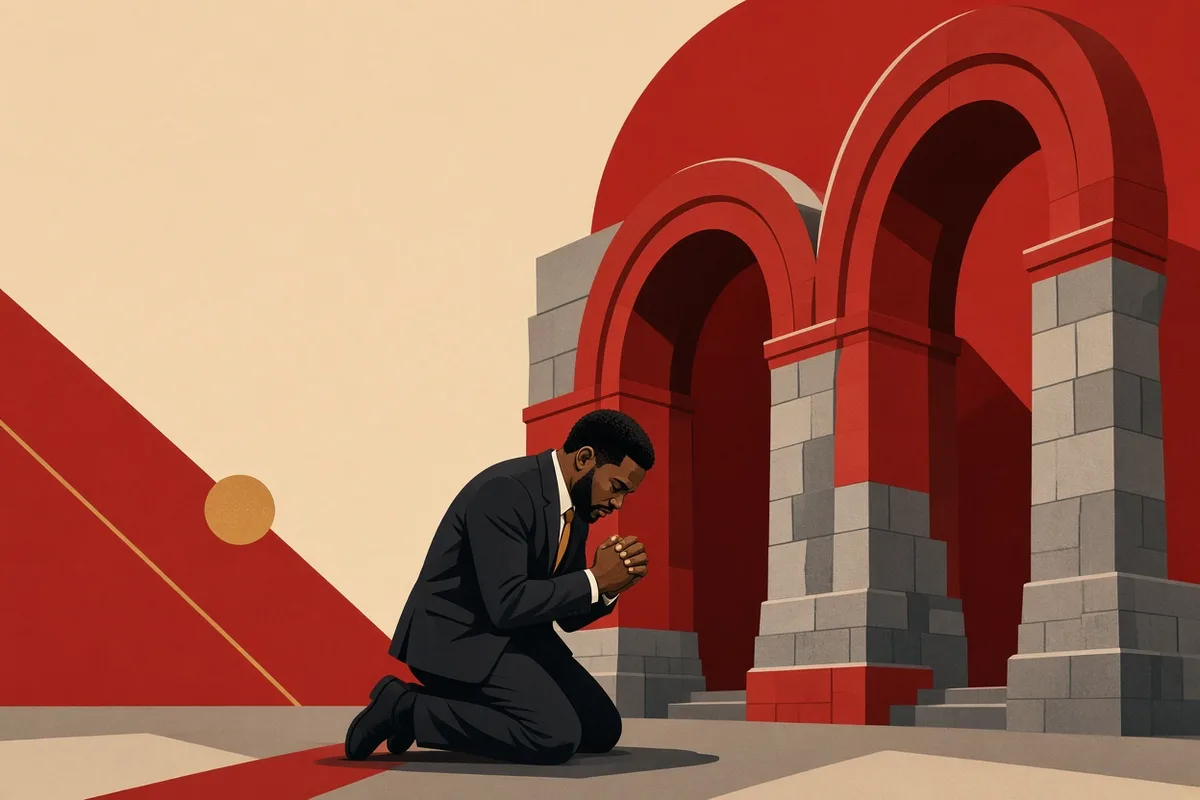



Augustine of Hippo Ordains Slavery's End in North Africa
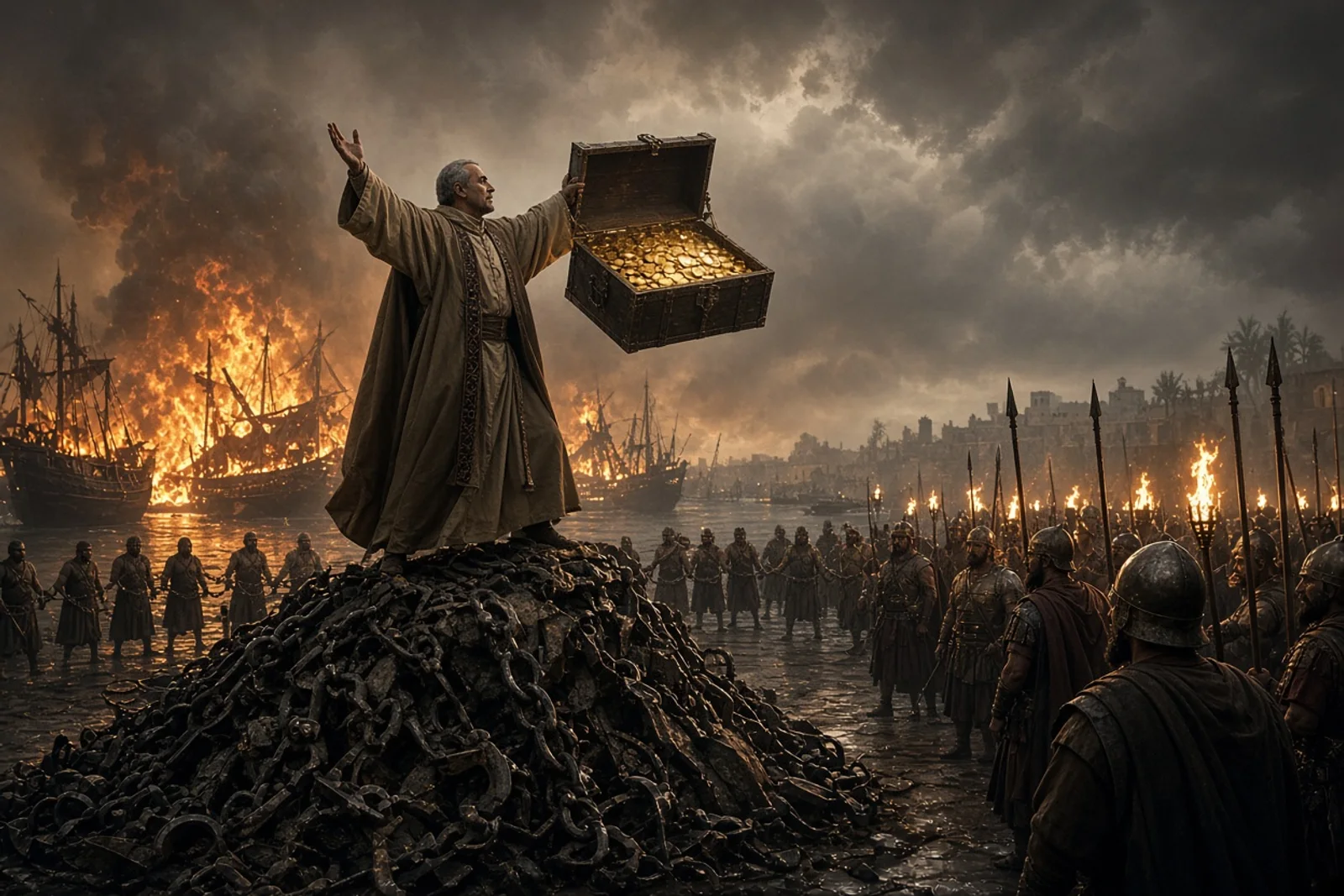
I was already at the church gate when the boy came running from the harbor road. His feet slapped the dust in uneven beats, and he shouted that three women had been taken from the olive grove beyond the last cistern. I dropped the water jar I carried and followed without asking more. The air smelled of salt and hot stone, the way it always did when the mangones ships lay at anchor.
We reached the grove before full dark. One woman lay on the ground with her ankle twisted. The other two stood with ropes around their wrists, faces blank as if the fight had already left them. A local man I knew from the market held one rope and would not meet my eyes. When I spoke his name he let go and stepped back into the trees.
Augustine arrived with two deacons and the girl who had been taken the month before. She pointed at the man who had just released the rope and said he had stood at her parents’ door the night she was taken, offering to buy wood. Augustine looked at the ropes on the ground and asked the woman with the twisted ankle if she could walk. She tried once and fell. He told one deacon to carry her and the other to stay with the remaining captives until morning. Then he turned to me and said we would need Alypius again.
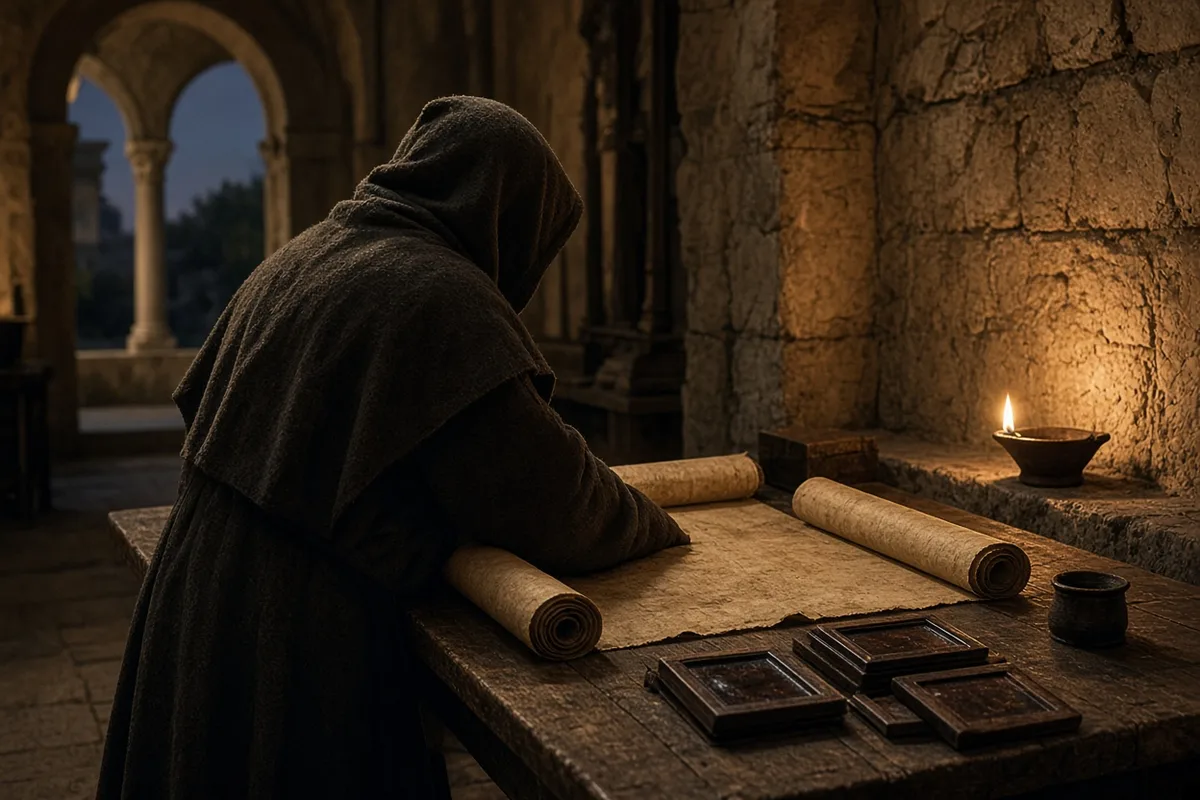
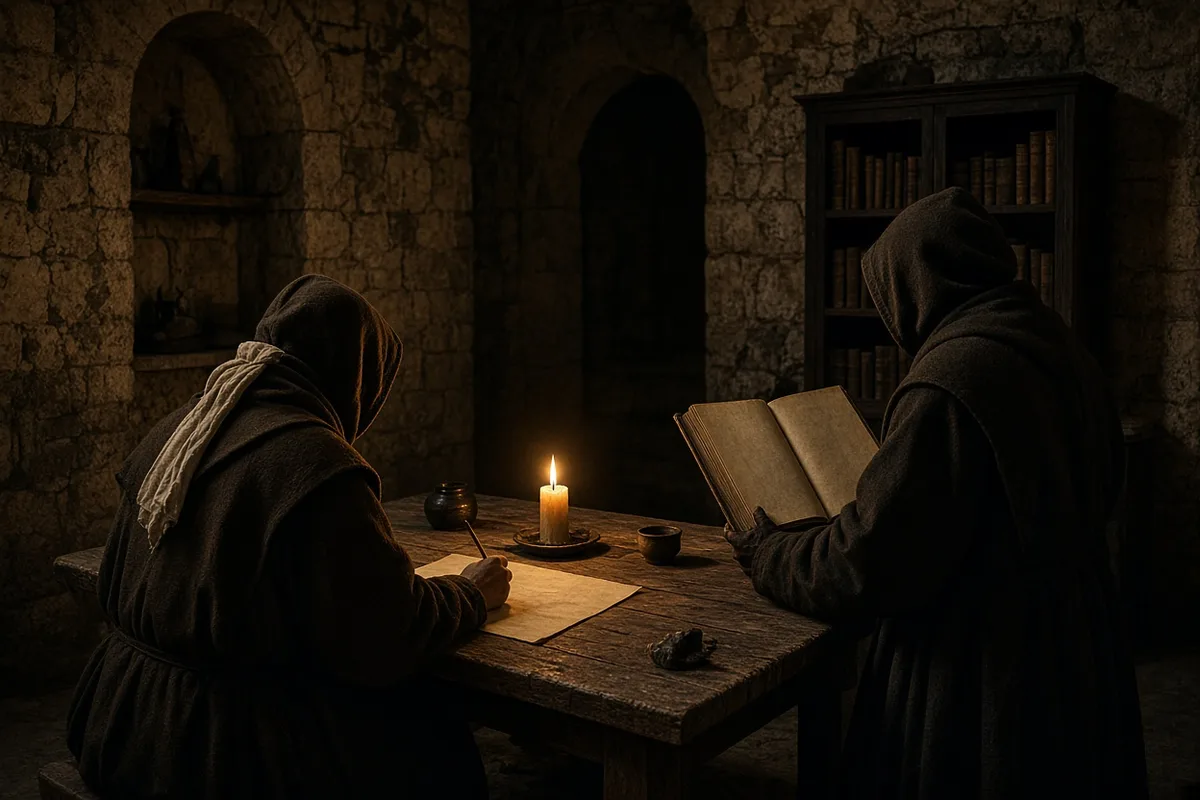
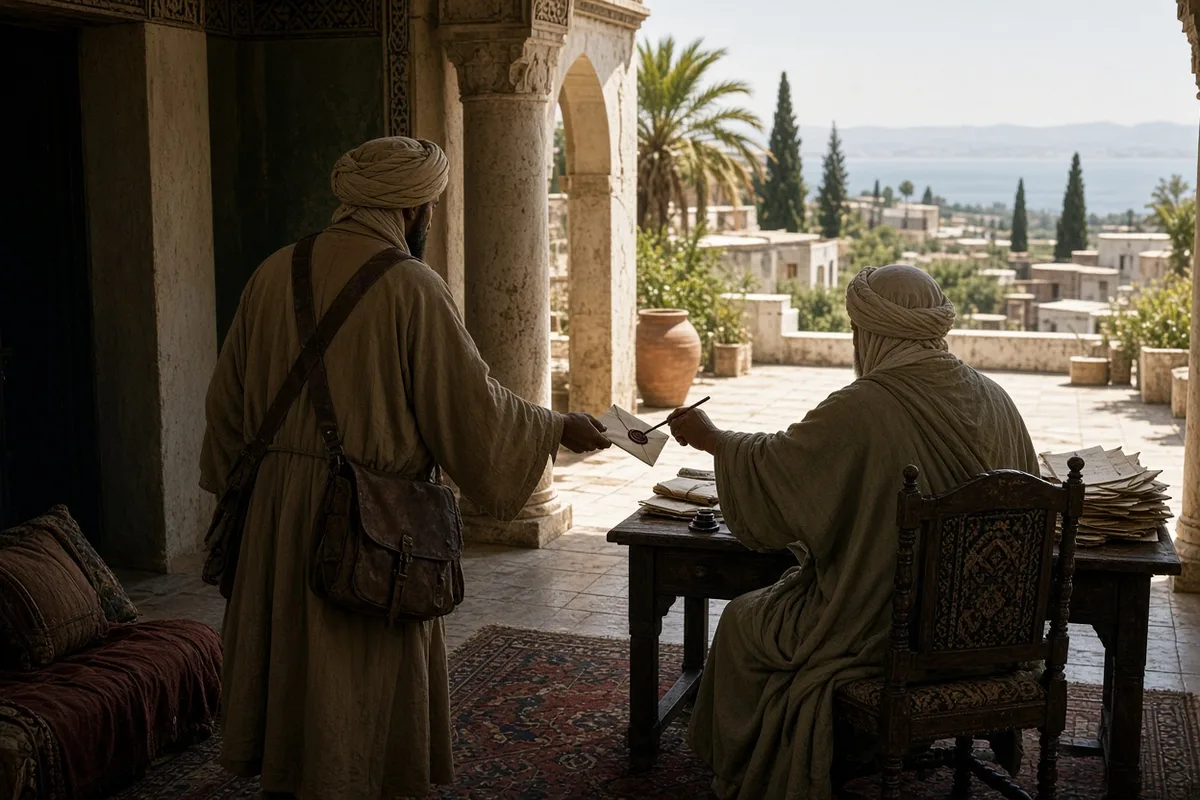
The letter was written two nights later in the room behind the baptistery. Augustine sat at the table with the lamp pulled close so the oil would not smoke. He wrote that the mangones had grown bolder since the last imperial order and that children were now being taken in daylight. He asked Alypius, already in Ravenna, to speak with Honorius about giving bishops power to examine sales and free those held against the old laws. The pen scratched steadily. When he finished he read the lines aloud to the three of us who waited, then sealed the tablet himself.
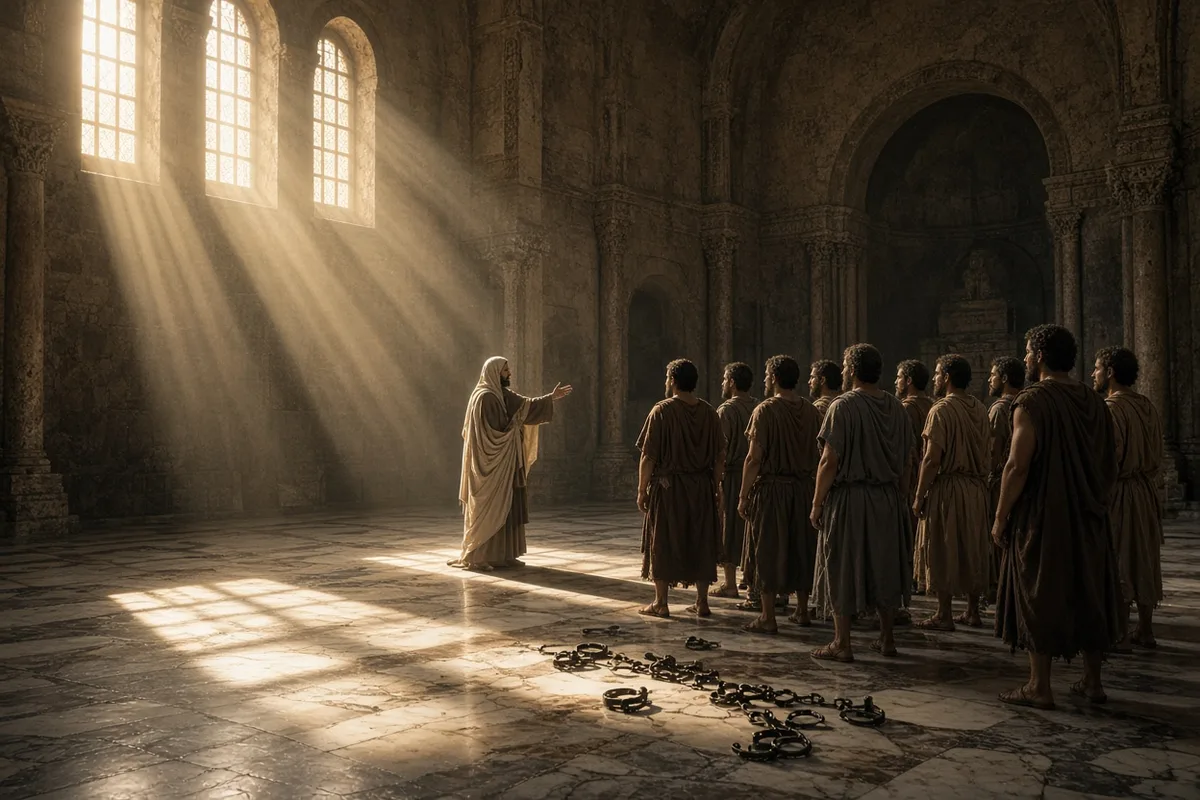
Four days after that a second raid reached the hill farms. I went with the group Augustine sent. We carried no weapons, only the names of the laws Constantine had set down. At the first house the kidnappers had already loaded two boys onto a cart. One of the deacons stepped forward and named the penalty for selling free children. The men on the cart looked at one another. They cut the ropes and walked away into the dark without speaking.
The rescued boys were brought to the church courtyard. One of them was the brother of the girl who had been taken earlier. She recognized him at once and began to cry, the first sound I had heard from her since the rescue. Augustine questioned her again that same evening, asking exactly how the men had entered the house. She said they came at night and her parents and brothers stood still because any move would have brought knives. Her brother, the one now standing beside her, had followed the cart at a distance until the men stopped to water the mules. He waited until they slept and led her out.
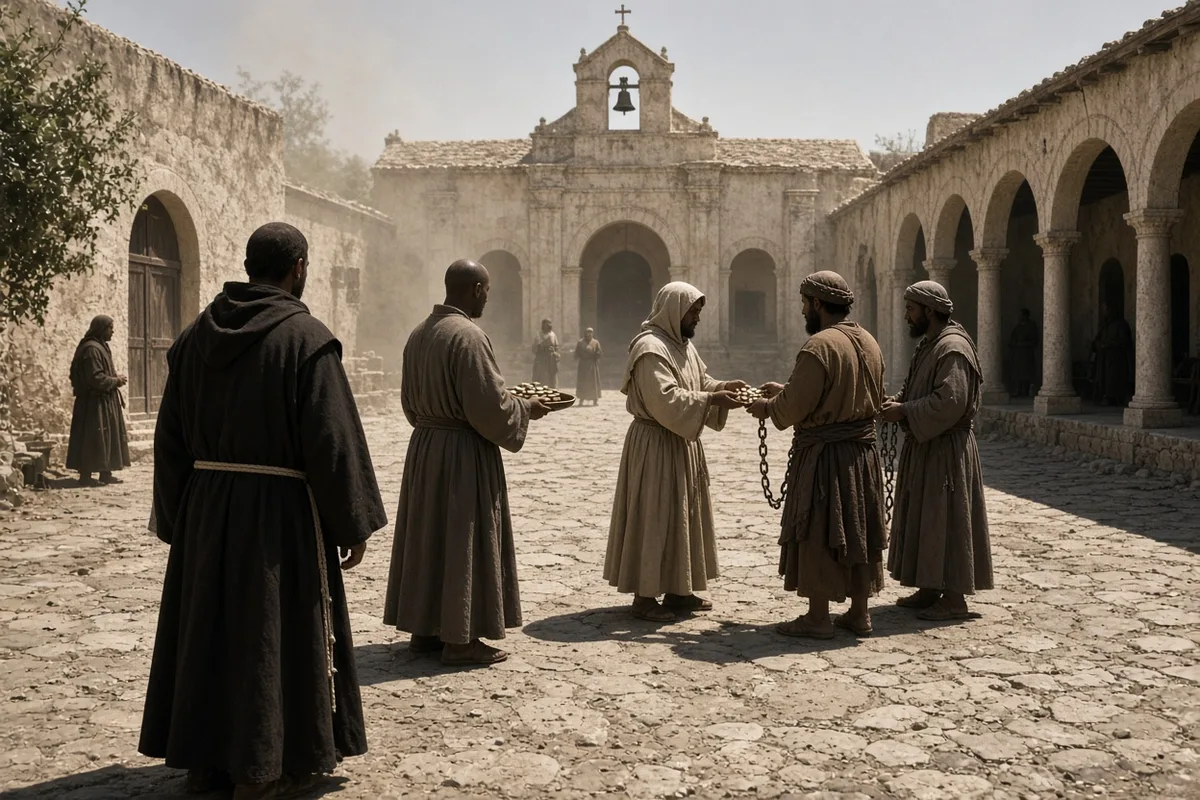
Augustine listened without writing anything down. When she finished he sent for the brother and asked him to repeat the account. The boy added that the men had spoken of selling the children beyond the sea where no one would ask questions. Augustine nodded once and told both of them they could stay in the church compound until their parents were found.
The letter to Alypius reached Ravenna in the spring. Alypius returned with a rescript that allowed bishops to examine any sale of persons under twenty-five years and to declare it void if the terms had been changed after the first agreement. The document was read from the steps of the basilica on a market day. People stopped to listen, some still carrying baskets. No one cheered. The mangones ships stayed another week, then sailed without taking on new cargo.
We continued to watch the roads. One morning a woman was brought to Augustine after she had locked two girls in a storeroom and tried to sell them to a trader from the coast. She claimed the girls were her own and that she needed the money for bread. Augustine asked the girls their mother’s name. They gave a different name. The woman was handed over to the civil magistrate that afternoon.
In the months that followed, fewer raids were reported inside the territory of Hippo. Travelers still arrived with stories from farther inland, but the local kidnappers seemed to have moved on. Augustine kept a record of every person the church had freed and where each one had gone. The list was kept on a separate tablet in the same room where the letter had been written.
The girl whose brother had followed the cart stayed on as a servant in one of the deacons’ households. She learned to read enough to help with the church accounts. Her brother found work at the olive press and came to the basilica each Sunday. When Augustine passed them in the courtyard he would stop and ask after their parents. The answer was always the same: the parents had moved to a safer village farther from the coast.
Alypius remained in Italy through the summer. Another letter came from him in the autumn stating that the emperor had renewed the earlier penalties against slave traders and had added a clause that allowed bishops to act as witnesses in cases involving children. Augustine read that letter aloud after the evening prayers. The lamps had already been lit. Outside the walls the sea made its steady sound against the rocks.
By the next year the number of reported kidnappings inside the diocese had dropped to almost none. The mangones no longer stopped at Hippo. Augustine continued to send funds to Alypius for any cases that reached the imperial court from other African towns. The list of freed persons grew longer, written in a smaller hand to fit more names on each tablet.
One evening near the end of that year I stood at the harbor and watched a ship unload grain instead of taking people away. The same boy who had first brought news of the olive-grove raid was now grown enough to carry sacks. He passed me without speaking, his shoulder bent under the weight. The sun had already dropped behind the breakwater. The water looked flat and dark.
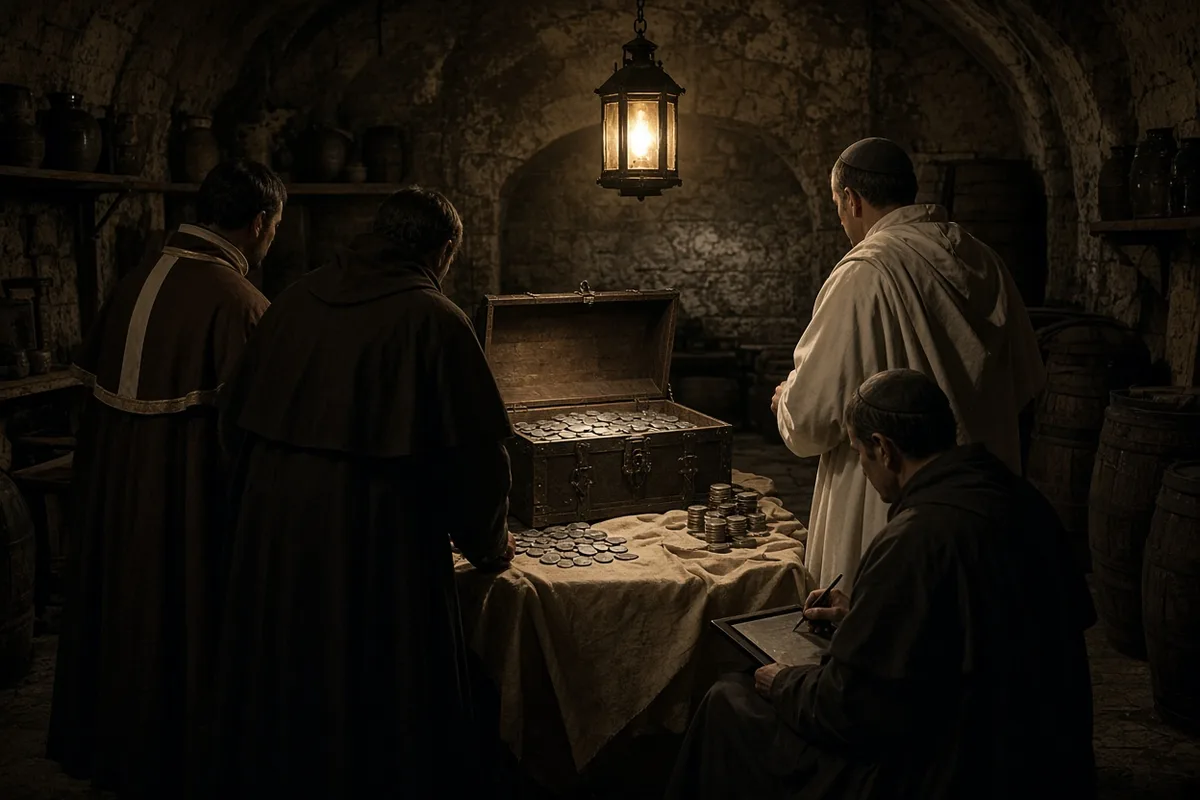
The morning after that unloading, the same boy whose name was now given as Flavius in the church rolls came to the baptistery door with news that a trader from Sicca Veneria had offered three solidi for each of two freeborn girls whose father had died the previous week. Augustine sat on the stone bench outside the sacristy and asked the boy to repeat the exact words the trader had used, writing them on a wax tablet with the date noted as the tenth day before the Kalends of November in the year when the consuls were Honorius for the thirteenth time and Constantius for the second. The boy said the trader claimed the girls were from a village near Calama and that no one there would come looking. Augustine sent one of the deacons named Possidius to the magistrate with a copy of the rescript Alypius had obtained, the one that quoted the Theodosian Code clause forbidding any sale of persons under twenty-five without episcopal inspection. The trader was brought before the curia that afternoon and fined twenty pounds of silver, which Augustine directed be given to the girls’ uncle for their upkeep.
Two years later, when the Vandal fleet under Geiseric landed at the mouth of the Bagradas, Augustine was still keeping the list of freed persons on tablets stored in the room behind the baptistery. The entry for the girl from the olive grove raid was marked with the notation that she had married a freedman from the harbor quarter on the feast of Saint Cyprian in the year 425. Her brother, listed two lines below, had been placed with the olive press owner named Victor and received wages of four nummi a day. Augustine dictated a final letter to Alypius that spring, stating that the number of cases brought to the church since the rescript had reached forty-seven and that only three of those had required appeal to the proconsul in Carthage. The letter was carried by a deacon named Quodvultdeus, who returned with word that Alypius had died at Thagaste the month before.
Augustine himself died on the twenty-eighth day of August in the year 430 while the Vandals besieged the city walls. The list of freed persons was carried out of Hippo by the same boy Flavius, now a young man serving as lector, and taken first to Carthage and then to Rome. It was copied there into a codex kept at the basilica of Saint Peter and referenced in the acts of the Council of 484 under Huneric, where Bishop Victor of Vita noted that the Hippo register contained one hundred and twelve names of persons restored to liberty between the years 416 and 429. The original tablets were lost when the Arian bishops took possession of the basilica in Hippo, but the copy in Rome survived and was cited by Pope Gregory the Great in a letter of 598 addressed to the bishop of Syracuse concerning similar cases of child sale in Sicily.
In the century after the Byzantine reconquest, the basilica at Hippo was rebuilt under Justinian’s edict of 535 and the names of those freed were inscribed on a marble plaque set into the north wall of the nave. The plaque recorded the case of the woman with the twisted ankle, identified only as the daughter of a certain farmer from the hill country, and stated that she had been placed in the household of the deacon who had carried her to safety. Travelers passing through Hippo Regius in the time of Gregory of Tours still pointed out the plaque, and the story of the letter to Alypius was repeated in the chronicle of Victor of Tunnuna under the entry for the year 479.
By the tenth century the city had been renamed Annaba and the basilica ruins served as a quarry for the construction of the new mosque on the harbor road. One of the marble fragments bearing part of the freed persons list was built into the mihrab wall, where it remained visible until the French occupation in 1832. An inscription on that fragment, still legible in the reports of the Commission des Monuments Historiques, reads in Latin that Bishop Augustine had ordered the release of twelve children taken by the mangones in the territory of Hippo during the consulship of Agricola.
Today the archaeological site at Hippo Regius preserves the foundations of the baptistery and the room behind it where the tablets were kept. A single column base from the nave stands near the modern road that runs past the harbor breakwater. In the museum at Annaba a reconstructed section of the marble plaque is displayed with the partial name of the girl from the olive grove raid, the letters cut in the style of fifth-century North African workshops. The last recorded image of any participant is a mosaic fragment uncovered in 1951 showing a young man carrying sacks, his shoulder bent, dated by the accompanying inscription to the decade after the Vandal settlement.
The fragment was found during clearance work directed by the French archaeologist Jean Lassus inside a collapsed cistern north of the forum, where the mosaic had been reused as paving in the sixth century. Lassus recorded the find on 14 March 1951 in his field notebook, noting that the young man’s tunic was rendered in blue glass tesserae and that the inscription beneath his feet gave the single name Flavius followed by the phrase “lector et portitor frumenti.” The piece measured 47 by 62 centimeters and was lifted the following week to the Annaba museum storeroom, where it remained uncatalogued until 1974.
In 1963 the Italian mission under Nino Lamboglia opened a trench across the baptistery foundations and recovered three additional marble fragments bearing partial entries from the freed-persons register. One fragment listed the name of the girl taken in the olive-grove raid together with the date “ante diem decimum Kalendas Novembres” and the consular year already noted on the wax tablet. The fragments were packed in plaster and shipped to the Museo Nazionale in Rome for cleaning; they returned to Annaba only in 1982 after the Italian team published the readings in the journal Rivista di Archeologia Cristiana.
Local quarry records from 1837 show that blocks from the same nave wall were sold to the French military engineer Captain Trumelet for the construction of the barracks at Bône. One block, later identified by the Latin phrase “episcopus Augustinus iussit,” was photographed in 1898 by the Commission des Monuments Historiques and appears in their album as plate 47, still bearing traces of red paint in the lettering.
During the 2008 season the Algerian Institut d’Archéologie cleared the harbor road east of the modern breakwater and exposed the base of a column whose capital matched those still standing inside the basilica precinct. The base carried a mason’s mark consisting of the letters “V F” cut into the torus, the same mark recorded on the column bases inside the church by the 1904 survey of the Service des Monuments Historiques.
A 1924 letter from the bishop of Constantine to the Vatican archives mentions that a copy of the Hippo register, made in the ninth century at the monastery of St. Eugenia, was still kept in the sacristy of the cathedral at Bône until the church was closed in 1830. The letter quotes the opening line of that copy: “Nomina liberatorum ab ecclesia Hippone inter annos Domini 416 et 429 numero centum duodecim.”
In 2017 conservators at the Annaba museum applied laser cleaning to the 1951 mosaic fragment and revealed a second line of inscription previously hidden beneath later mortar. The added text reads “portavit saccos frumenti usque ad annum 435,” confirming that the young man continued the same labor for at least five years after the Vandal landing. The cleaned fragment was placed on permanent display in the east gallery of the museum on 28 August 2019, the anniversary of Augustine’s death.
No further image of any participant in the events at Hippo has been recovered. The mosaic of the young man carrying sacks remains the sole surviving likeness, its tesserae now protected under glass in a climate-controlled case whose humidity is maintained at 42 percent.