



Vehicle Comparisons Weigh Price, Space and Performance
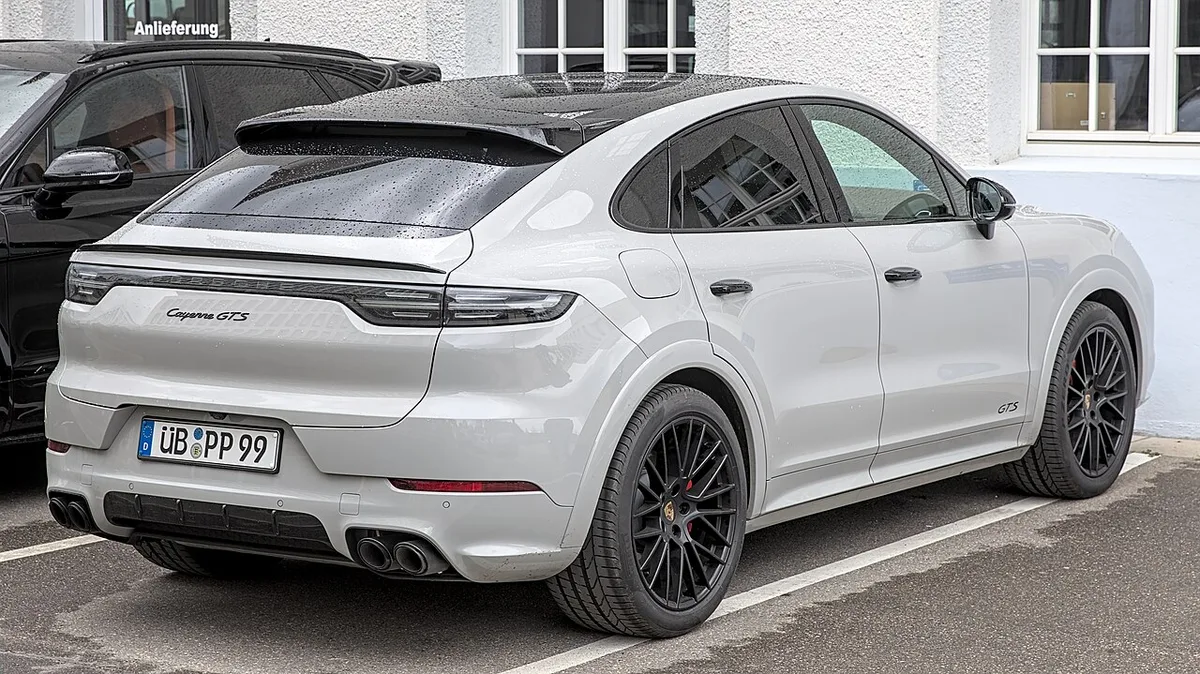
The comparisons highlight trade-offs among price, space, performance and efficiency. In Malaysia, the BMW iX costs RM200,088 less than the Mercedes-Benz EQS SUV and accelerates faster with more luggage room, while the Mercedes offers seven seats and longer range; the Volvo EX90 costs RM70,000 less than the Mercedes-AMG GLC Coupe and offers seven seats, longer electric range and quicker acceleration, while the Mercedes has more cargo space and a higher top speed. The Porsche Cayenne Electric is more powerful and roomier than the Mercedes-Benz GLE Coupe, which costs about 5% less; a selected-variant comparison also found the Cayenne had 17% more power and a 16% larger boot, while the Cayenne’s starting price was more than $26,000 higher. Among U.S. luxury SUVs, the Mercedes-Benz GLC is distinguished from the redesigned Audi Q5 by stronger resale value and comfort, while the Lexus TX offers more third-row and cargo space than the Volvo XC90, whose plug-in hybrid is more powerful and has a more refined ride. The Toyota Camry’s standard hybrid delivers better fuel economy and more power than the gas-base Honda Accord, which also comes in hybrid versions; the Hyundai Tucson offers hybrid and plug-in-hybrid choices and a longer warranty than the Chevrolet Equinox, while both provide practical family-SUV comfort. The Ford F-250 emphasizes towing capability and engine choice over the Ram 2500’s comfort; other comparisons describe the Lexus NX’s turbo or hybrid options, the Volvo XC60’s safety focus and need for a usability test, and the Lexus UX 300h’s urban efficiency versus the Audi Q3’s entry-level luxury appeal.