


Avolon seeks approval for 250 aircraft orders
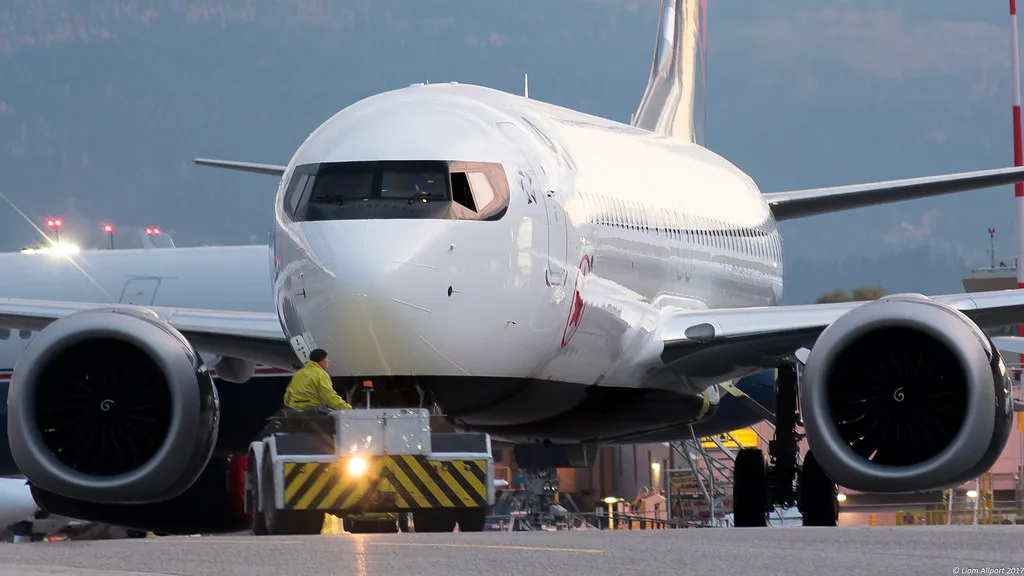
Contracts signed in Dublin and Toulouse on 9 October 2026 set down Avolon’s firm orders for 250 new-technology aircraft as chief executive Andy Cronin released the news alongside the company’s third-quarter 2026 business update. The package comprised 140 Boeing 737 MAX jets, the latest generation of the manufacturer’s single-aisle medium-haul family, 75 Airbus A320neo family aircraft in the same single-aisle segment that dominates global airline fleets, and 35 Airbus A330neo family wide-bodies built for longer routes.
“We continue to see strong demand for new-technology aircraft, reflected in our placement and trading activity this quarter,” Cronin said.
Avolon, the Dublin-based aviation finance company founded in 2010, does not fly passengers. It buys aircraft and leases them to airlines that need capacity without the full capital cost of ownership. Over decades that model has moved from a small fringe of the commercial fleet toward a central share, and a lessor’s order book is the inventory it will place years ahead. Friday’s 250 sat directly against the quarter’s own placement and trading activity, the demand Cronin named already running through the numbers just closed.

In the three months through 30 September the company acquired 10 aircraft and sold 29, with a further 112 agreed for sale by quarter-end. It executed 84 lease agreements, extensions and amendments in the same stretch. By the close of the quarter, 89 percent of the committed fleet due over the next 24 months already carried airline placements. Those placements ran through a base of 138 airlines in 62 countries, the network against which a lessor measures how quickly ordered jets find homes years before delivery.
“Against that backdrop, we are pleased to have reached agreements with Airbus and Boeing that strengthen and extend our long-term delivery pipeline,” Cronin said.
The quarter’s trading showed older metal moving out and new-technology positions locking in. The Friday contracts with the two manufacturers would lengthen that pipeline still further. They remained subject only to one outstanding clearance before any of the 250 could stand as firm.

The clearance rested with Bohai Leasing Co., which holds 70 percent of Avolon. On 9 October Bohai’s board took up the purchases. All nine directors were present, and the vote on each proposal ran 9-0. Unanimous board approval was not the final step. The list value of the aircraft exceeded 30 percent of Bohai’s last audited total assets, and under Shenzhen listing rules that applied to the parent, transactions of that scale had to be put before a shareholders’ meeting as a special resolution. A special resolution is a formal vote by the owners themselves, required when a commitment crosses a set size threshold; board consent alone cannot complete it. The sole remaining condition on the firm orders was that single shareholder vote, expected before the end of October 2026.
As of 30 September 2026 Avolon owned 561 aircraft and managed 32 more. The owned, managed and committed fleet at quarter-end totaled 1,092. The new contracts raised total firm aircraft commitments to 749. A firm commitment is an aircraft under binding order but not yet delivered. Those positions are the inventory a lessor will place in the years before the jets enter service.
The order book had overtaken the hangar. Against the 561 jets Avolon already owned, 749 now stood on firm order. Aircraft still due from the manufacturers outnumbered the jets the company held.

“These orders further enhance our ability to support the future fleet requirements of our airline customers as they renew and expand their fleets into the most fuel-efficient technology available,” Cronin said.
That left 749 positions to finance and place. Capital would have to be raised against those delivery slots, and lessees found, long before any of the airframes reached an airline. Options for a further 100 Airbus aircraft sat alongside the firm orders. Bohai’s filing split them into 75 A320neo family jets and 25 A330neo family aircraft. An option is a right to buy later, not a binding commitment; each exercise would need its own decision by Avolon. Those 100 remained outside the firm count.
Avolon established a US$1.5 billion commercial paper programme. Commercial paper is short-term unsecured debt issued into the money markets to meet working capital and near-term cash needs. The company also closed a US$855 million unsecured term loan with a syndicate of primarily Asian banks. An unsecured term loan provides a fixed sum for a set period without aircraft pledged as collateral; the lenders look to the borrower’s credit and cash flow. The programme and the loan supplied fresh unsecured capacity for the long delivery stretch. The options kept the Airbus pipeline expandable.
In 2015 more than $120 billion in commercial aircraft were delivered worldwide, and half the global lessors sat in Ireland. Pro forma for the new orders—the total counted as if those aircraft already belonged in the book—the owned, managed and committed fleet stood at 1,342 aircraft, a 22.9 percent increase. Until Bohai’s shareholders passed the resolution, none of the new aircraft could lock into the delivery pipeline as firm. The board had already spoken with one voice. The owners still had until the end of October.