


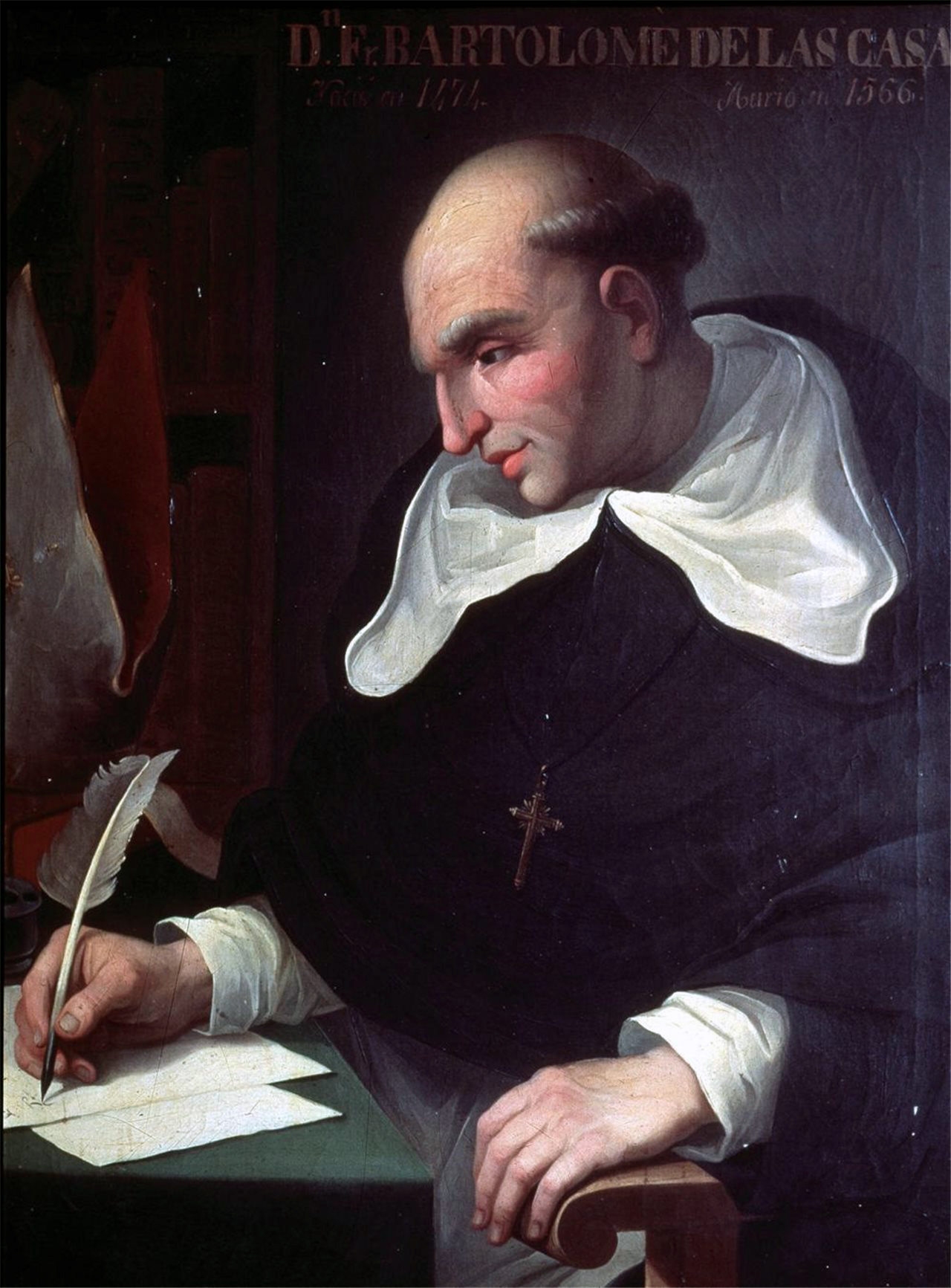
Bartolomé de las Casas Defends Native Rights in Hispaniola
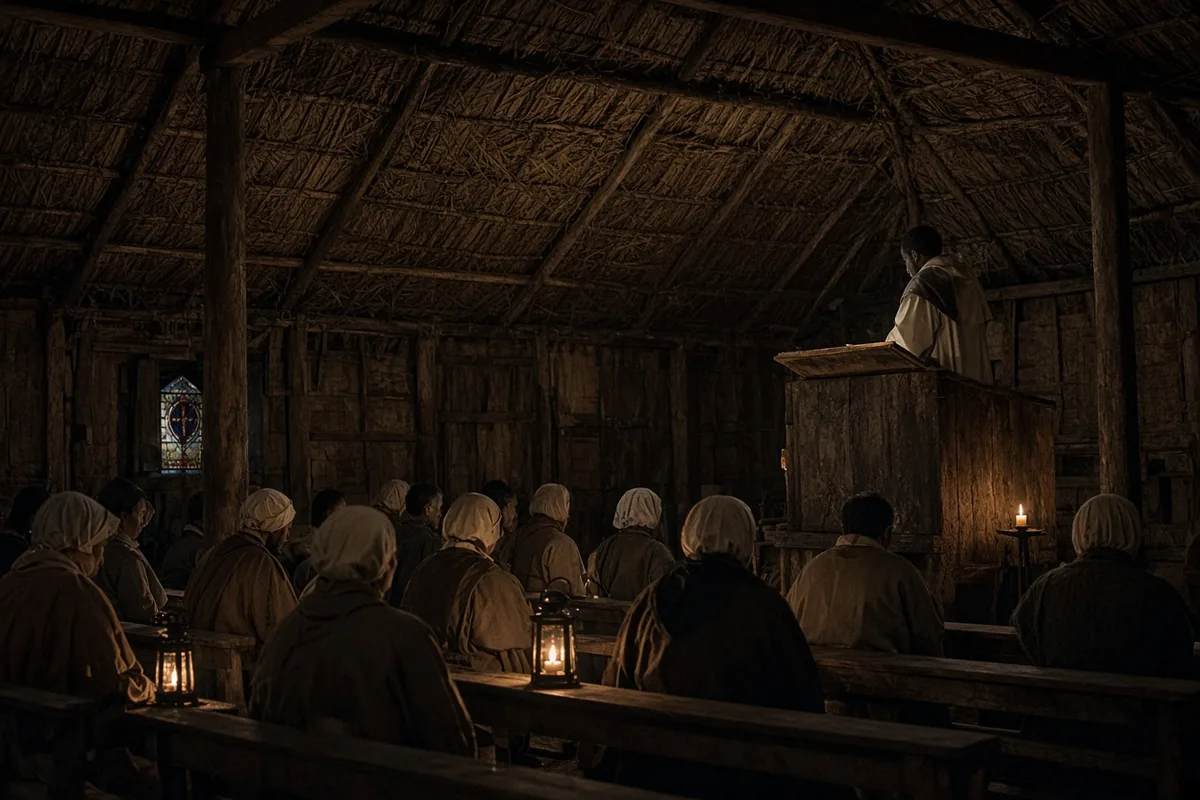
The benches groaned as more men pressed inside, boots scraping the packed earth floor. Dust hung in the shafts of light from the high windows. I had come early enough to claim a spot near the side wall, close enough to hear but far enough that no one would notice if I slipped out before the final blessing. Las Casas stood a few rows ahead, his priest’s robe already dark at the shoulders from the heat. He turned once and nodded at me the way a man nods at someone who has shared a meal and a night watch. We both knew the price of Indian labor in the mines that week.
Montesinos climbed the steps to the pulpit without hurry. He waited until the last cough died. Then his voice filled the nave, sharp and steady, asking what right any man held to keep other men in chains and under whips. He named the wars we had fought on this island and the villages emptied to feed our tables. He asked if those people were not men like ourselves. No one answered at first. Then a landowner near the front stood, face red, and shouted that the friar had lost his mind. Another called for the governor. Montesinos stayed where he was, hands resting on the rail, until the shouting rolled over him and the doors banged open.
I watched Las Casas. He did not move with the men heading for the street. He stayed on his feet, one hand gripping the back of the bench in front of him. When the church had half emptied he sat again, slowly, as if the wood had grown hot. Outside, voices carried across the square, some already promising to write the king. Inside, the remaining worshippers spoke in low clusters, glancing toward the pulpit where Montesinos still stood.
That evening the settlement felt smaller. Men who had arrived together on the same ships now measured one another across doorways. Las Casas did not preach the next Sunday. He said mass in a low voice and left the altar without looking at the congregation. I saw him later near the harbor, speaking with two of the Dominicans who had come on the same ship as Montesinos. They kept their backs to the town.
Three years later word reached us that Las Casas had gone with Velázquez to Cuba. Men who returned told of villages burned and fields trampled under the horses. They spoke of the gold they carried and the Indians they left behind. When Las Casas came back to Hispaniola he still held his own grant of labor. He said little about Cuba in public. At night, though, he walked the edges of the settlement alone.
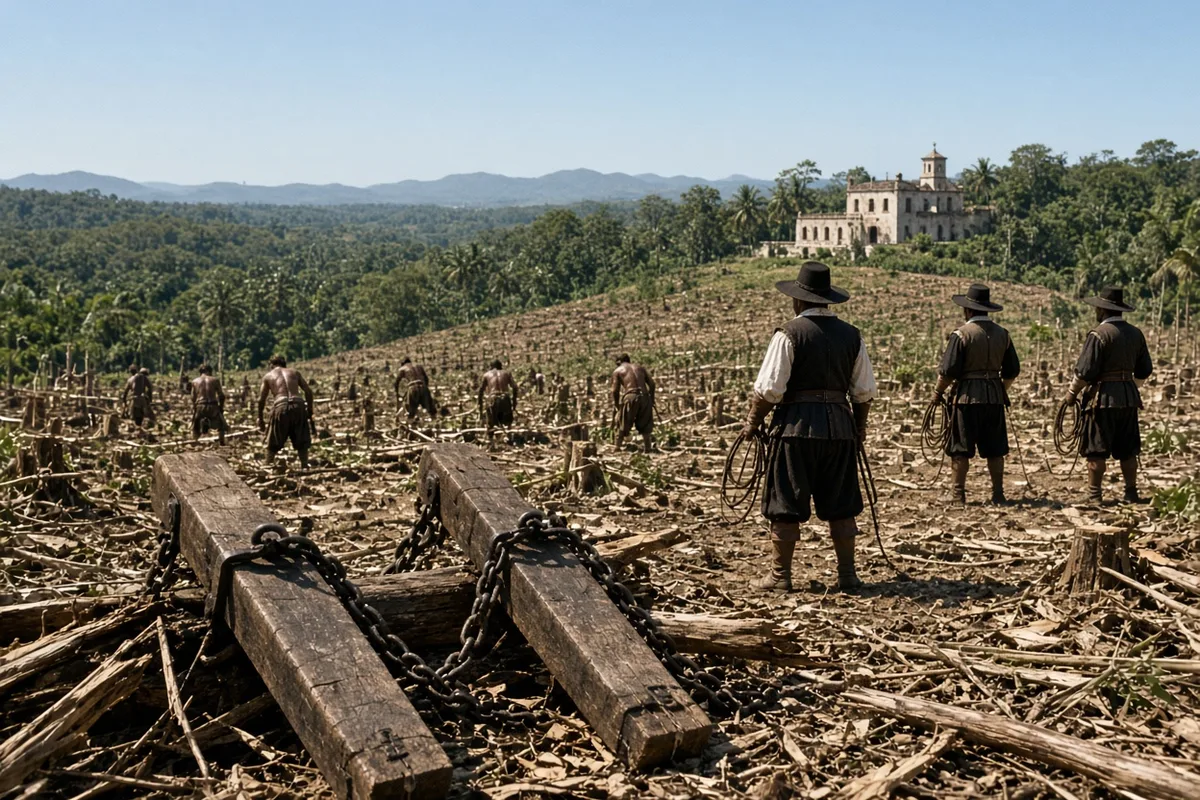
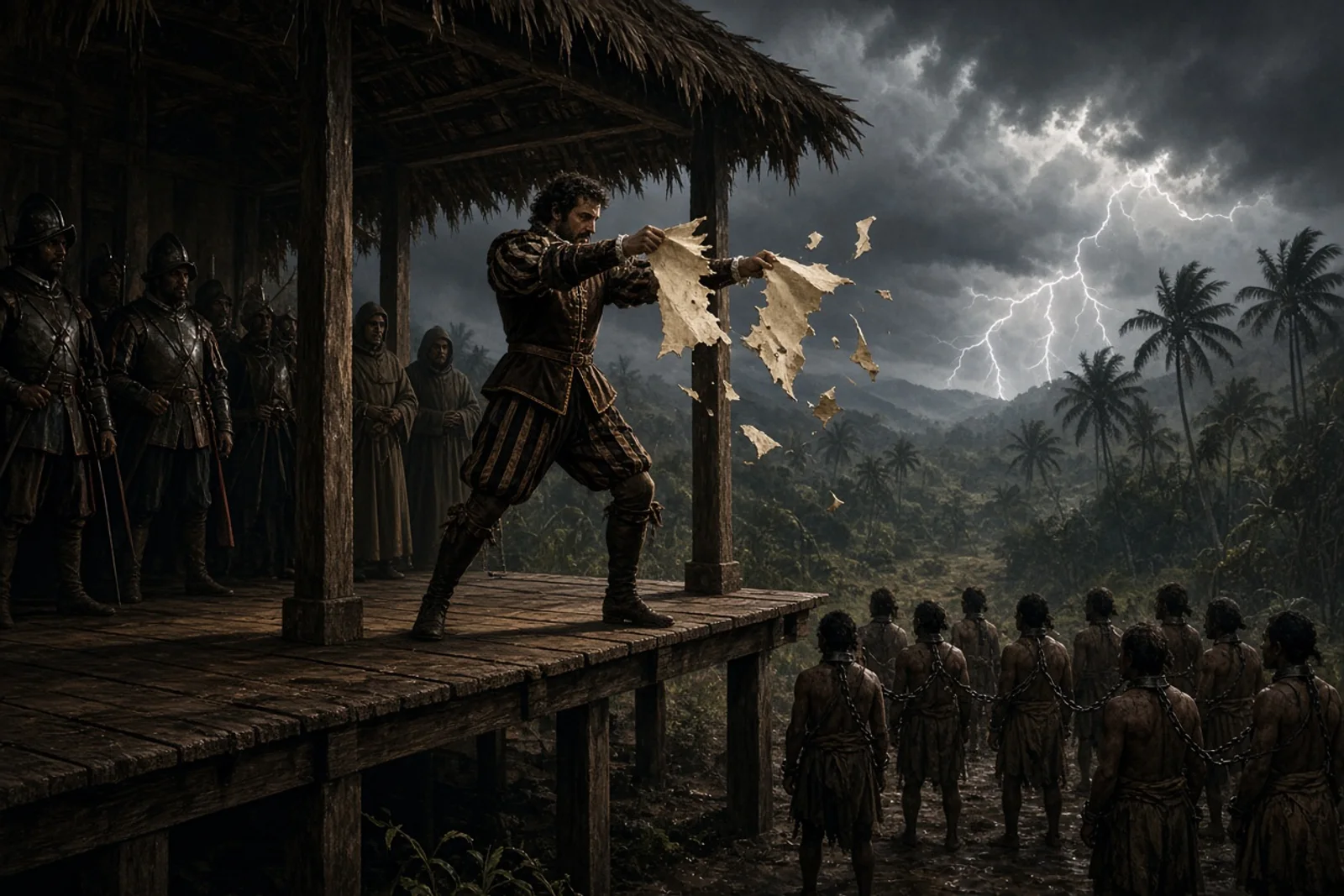
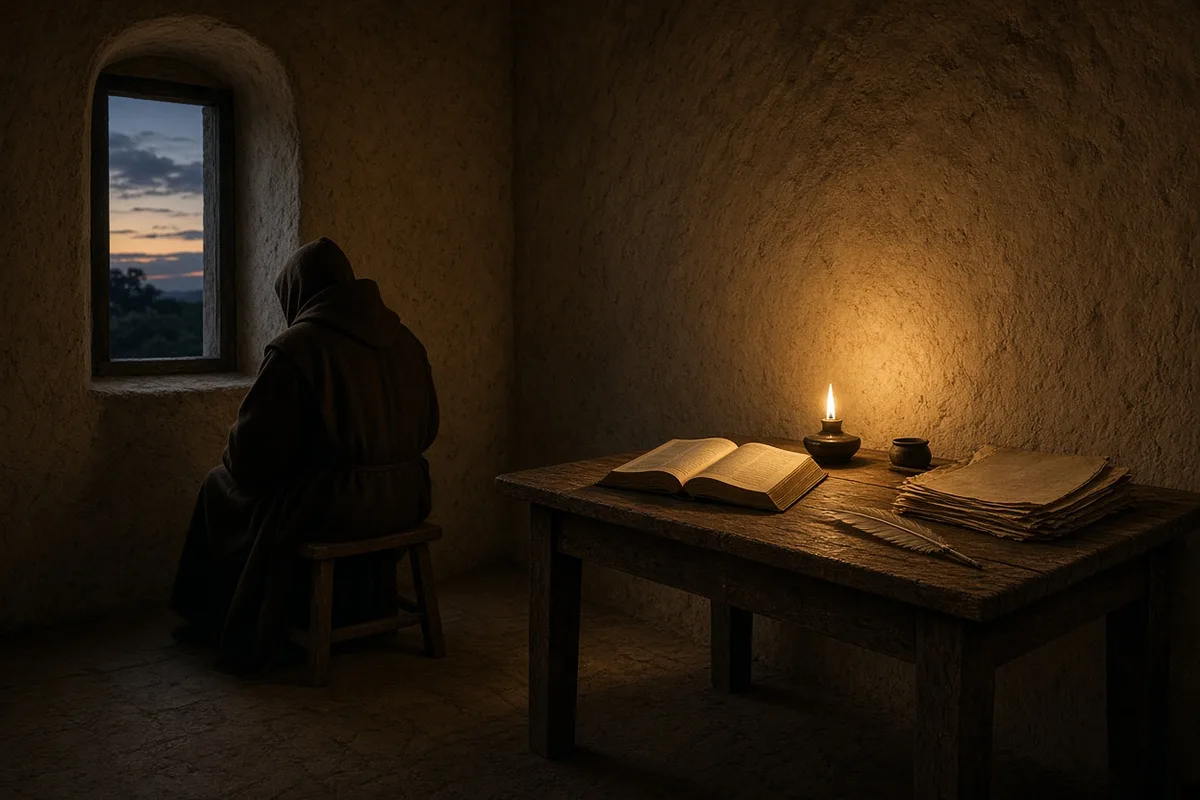
One afternoon I found him sitting on the steps of the small chapel with a book open on his knees. He read the same lines again and again, finger tracing the page. He looked up once, saw me, and closed the book without marking the place. Two days later he stood before Velázquez and said he would give up the Indians assigned to him. Velázquez stared at him as if he had spoken in another tongue. Las Casas repeated the decision and walked out before any answer came.
He freed the people who had worked his land and told them they could return to their own villages if any still stood. Some stayed near the settlement anyway, unsure where else to go. Las Casas sold what tools and stock he owned and divided the money among them. He began to preach in the same church where Montesinos had spoken years before. This time the crowd was thinner. Those who remained left early or stayed to argue.
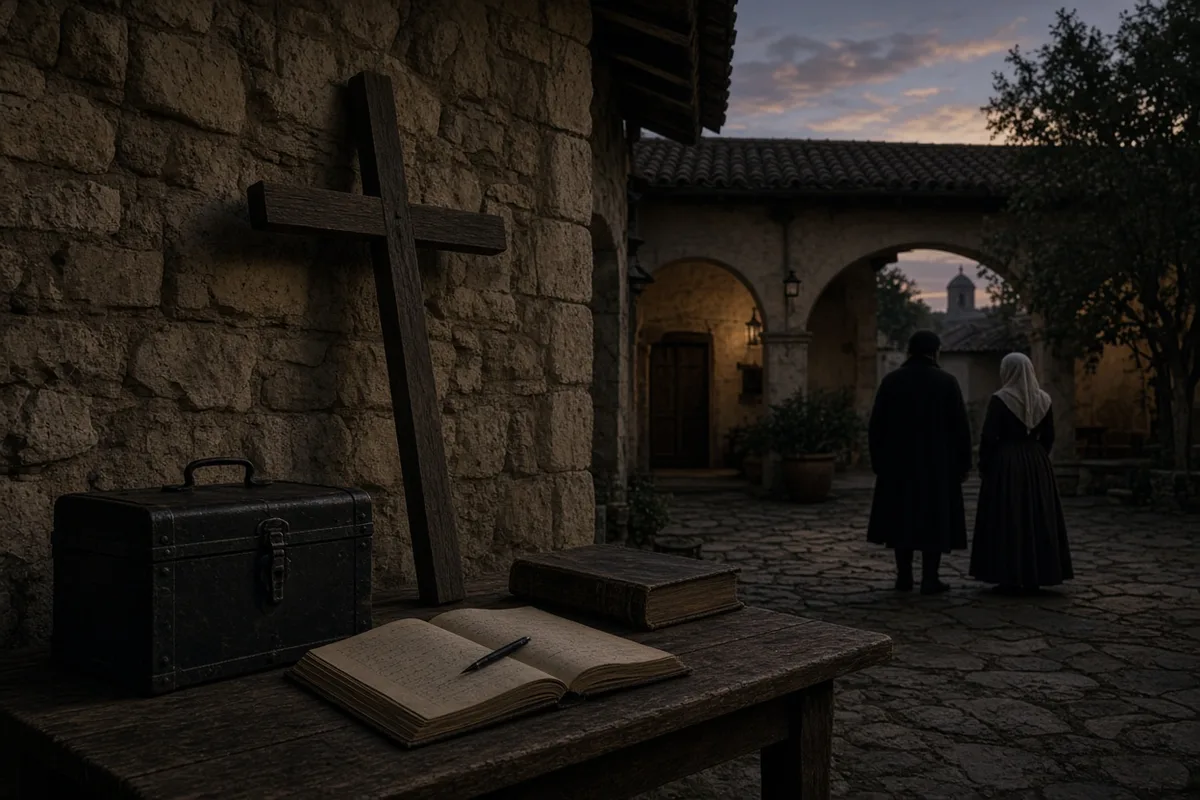
When he decided to sail for Spain he asked Montesinos to go with him. They carried letters from the other Dominicans and a few pages Las Casas had written himself. I watched them load a small chest onto the ship at first light. The wind came off the land, carrying the smell of the cane fields and the smoke from the smelters. Las Casas stood at the rail until the anchor was raised. He did not wave.
Years passed. Ships brought news that he had reached the court and spoken to the king’s council. Some letters said the council listened. Others said the grants continued as before. In Hispaniola the mines still ran and the fields still needed hands. Men who had once cursed Montesinos now cursed Las Casas by the same names.
I stayed on the island. The settlement grew around the old church. New houses rose on ground that had once been cleared for gardens tended by people whose names no one here remembered. On certain mornings the light fell across the benches the same way it had that December Sunday. I sometimes sat in the same spot near the wall and listened to the priest speak of mercy. The words landed differently now. Outside, the harbor still filled with ships, and the wind still carried the sound of the chains being loaded for the next voyage.
In the months after that departure the reports arrived in bundles carried by the same ships that brought new colonists and chains. One letter from Seville dated March 1515 described Las Casas kneeling before King Ferdinand in the Alcázar, reading aloud the clause in which he renounced his own encomienda of forty Indians on the Río Yaqui and declaring that no Christian could hold title to another man’s labor without mortal sin; the king’s secretary, Lope de Conchillos, interrupted to ask whether the priest intended to return the gold already extracted from those workers, a sum recorded in the royal accounts as 1,200 pesos. Another dispatch, sent from the same court the following year after Ferdinand’s death, noted that Las Casas had obtained an audience with the regent Cardinal Cisneros and had presented a plan to replace the dying Taino laborers with African slaves brought from the Canary Islands, a proposal he later withdrew in writing dated 1517 when he calculated that the island’s remaining population had fallen from the 60,000 counted in the 1508 census of Rodrigo de Alburquerque to fewer than 20,000 souls still able to work the mines at Concepción de la Vega.
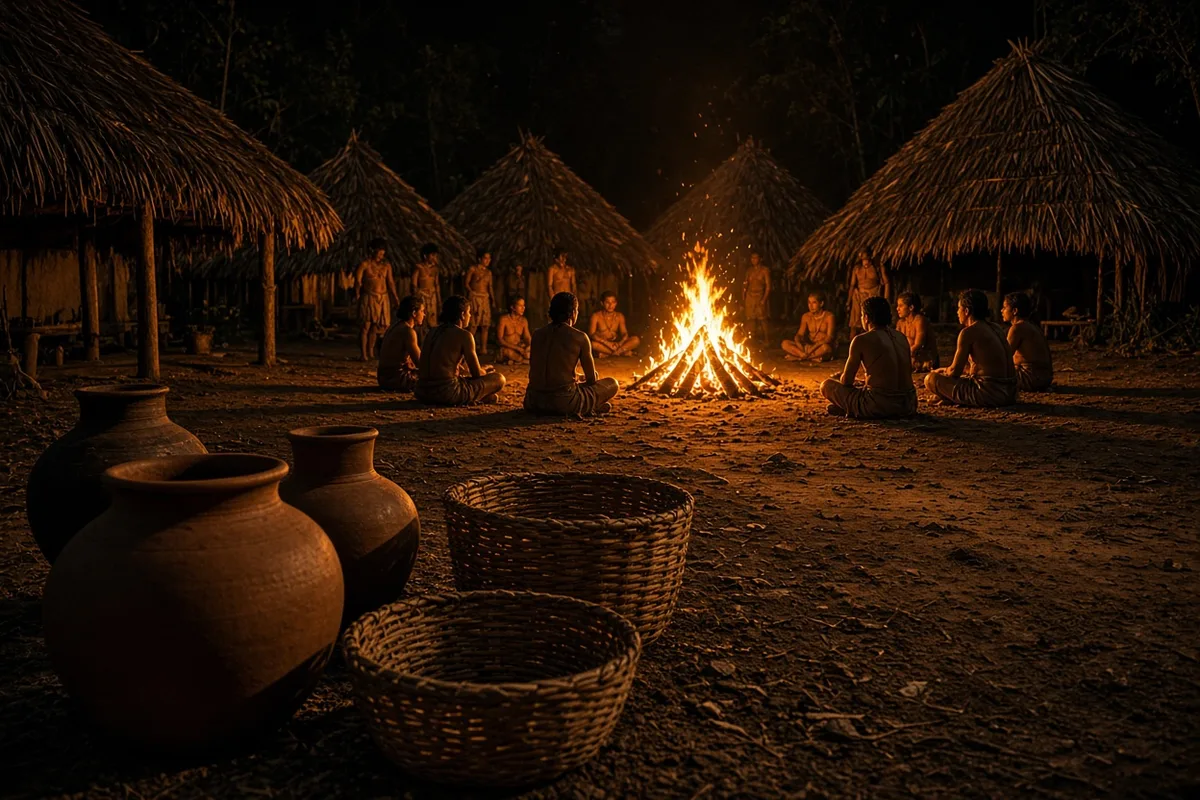
By 1520 the settlement at Santo Domingo had received copies of the cedula issued by the young Charles V that ordered the release of all Indians held by Spaniards who could not prove they had been taken in just war; the document named specific caciques—Cotubanamá of Higuey and Mayobanex of the Cibao—whose surviving kin were to be gathered at the monastery of San Francisco and placed under the protection of the Dominican prior. The order produced immediate litigation: the treasurer Miguel de Pasamonte filed suit claiming that his grant of 150 Indians at the mines of San Cristóbal had been acquired by purchase from the crown and therefore fell outside the new rule, while Las Casas’s former associate, the priest Juan de Zumárraga, wrote from Mexico that similar grants in New Spain were being defended on the same grounds. In Hispaniola itself the royal factor, Rodrigo de Figueroa, attempted to enforce the cedula by sending inspectors to the sugar ingenios at Azua, where 320 Africans had already been purchased at 45 ducats each to replace the Tainos who had died of smallpox in the epidemic of 1518.
The rebellion led by the cacique Enriquillo began in the Bahoruco mountains in 1519 and lasted fourteen years; the governor, Francisco de Barrionuevo, marched against him with 200 Spanish foot and 80 horsemen in 1523, yet returned without a single captive after Enriquillo’s forces ambushed the column at the crossing of the Río Nizao and killed seventeen men whose names appear in the muster roll preserved in the Archivo de Indias. Las Casas, then back in Santo Domingo after his first failed attempt to found a colony on the mainland at Cumaná, offered to negotiate and met Enriquillo in the village of Yaquimo in 1533; the agreement they signed granted the cacique and his 2,000 surviving followers a tract of land near the Lago Enriquillo together with exemption from tribute for twenty years, a concession witnessed by the notary Diego de la Torre and recorded in the town book of Azua.
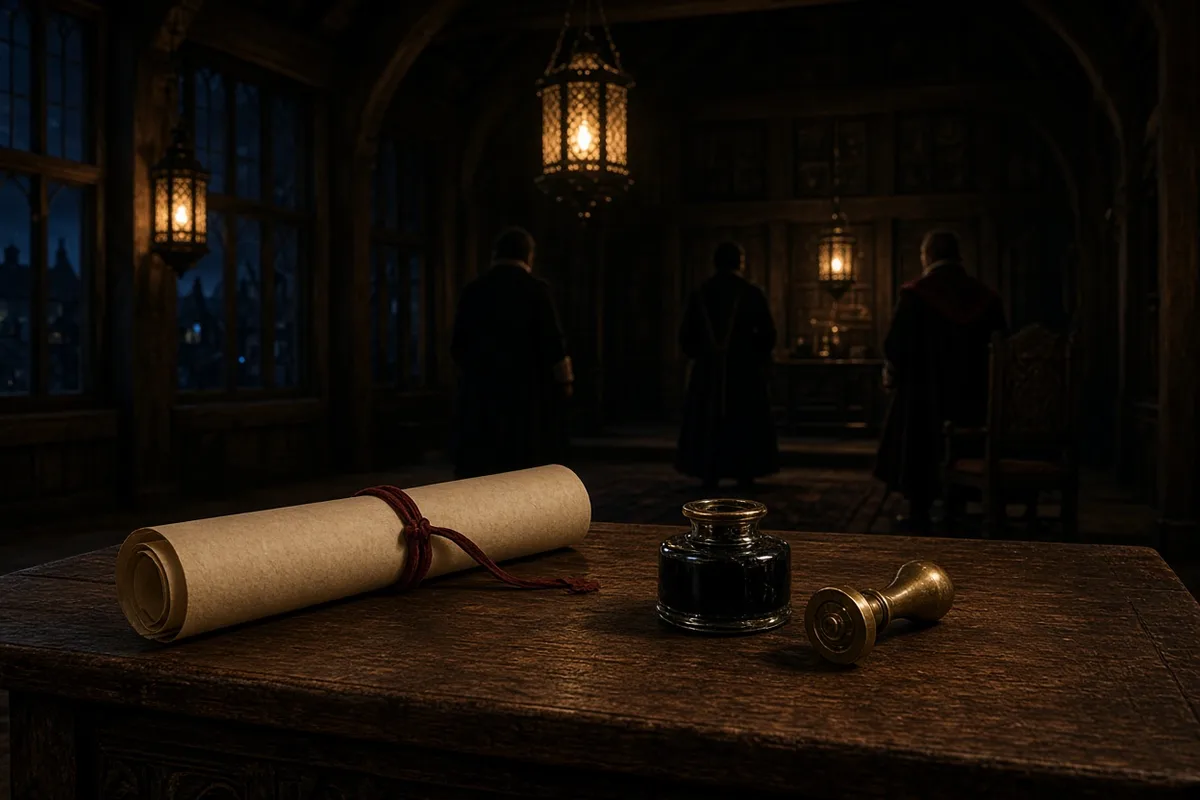
When the New Laws reached the island in 1544 they were read from the same pulpit where Montesinos had preached in 1511; the oidor Alonso de Maldonado posted the text on the church door and added his own signature beneath the clause that abolished all existing encomiendas upon the death of their current holders. The reaction among the remaining Spanish vecinos was recorded in a petition signed by thirty-seven men on 12 October of that year, protesting that the measure would leave the sugar mills at San Juan de la Maguana without labor and citing the figure of 1,500 Africans already working those estates as insufficient to replace the 4,000 Tainos who had been assigned in 1530. Las Casas, by then bishop of Chiapas, returned briefly to the island in 1545 to oversee the manumission of the last royal Indians at the fortress of La Concepción; his secretary, Francisco de la Cepeda, noted in the margin of the bishop’s diary that 112 individuals were freed on 3 March and given passage money of eight pesos each to return to the abandoned villages of the Vega Real.
The final voyage Las Casas made from Spain occurred in 1564 when he was eighty years old; he sailed from Seville on the nao San Salvador and landed at Santo Domingo on 11 June, carrying with him the printed edition of his Brevísima relación de la destrucción de las Indias that had appeared in Seville two years earlier. He stayed only long enough to deposit additional manuscripts at the Dominican convent, including the manuscript of the Historia de las Indias in which he quoted the exact words of Montesinos’s sermon—“¿Estos no son hombres?”—and then boarded the same vessel for the return crossing, arriving in Madrid on 17 September 1565. There he took up residence in the Colegio de San Gregorio, where he continued to petition the Council of the Indies until his death on 18 July 1566; the inventory of his cell listed 1,872 pages of unpublished argument and a single worn breviary.
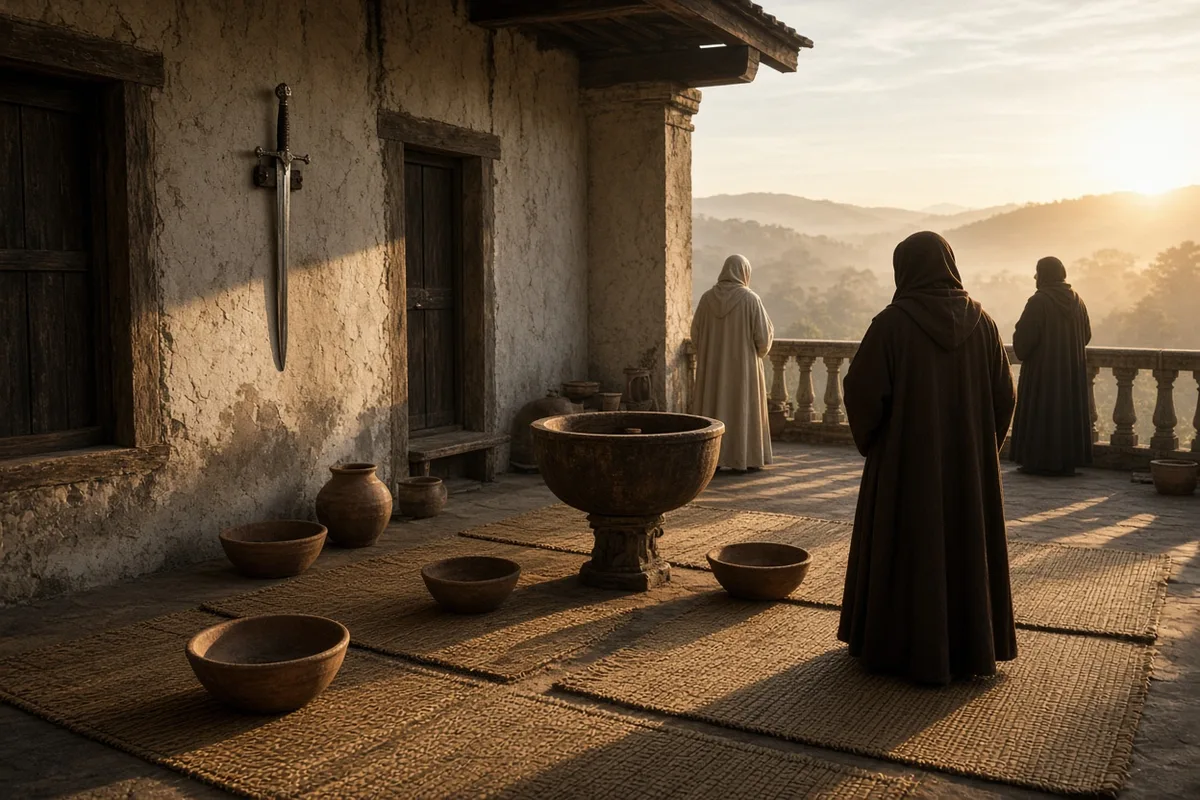
In the years that followed, the island’s notarial records show a steady transfer of land titles from the heirs of the original encomenderos to the growing number of sugar planters who relied on imported labor; between 1570 and 1600 the registers of the Audiencia list 3,742 African slaves brought through the port of Santo Domingo, while the last recorded tribute payment by a Taino community appears in 1569 for the twelve survivors of the village of Yaguahay. The old church where the original sermon had been delivered was enlarged in 1613 and renamed the Catedral Primada; its baptismal book for that decade contains only Spanish and African names, the final entry for an Indian being that of a woman identified simply as “Beatriz india, vecina de la antigua villa de Verapaz,” baptized on 4 April 1607 at the age of seventy-four.
I returned to the same bench near the side wall on the morning of 12 October 1620, the date on which the city celebrated the anniversary of the first landing; the light still entered at the same angle through the high windows, but the congregation now consisted of merchants and officials whose grandfathers had arrived after the mines had closed. An elderly man in the habit of a lay brother of the Dominican order stood at the rail and read from a bound copy of Las Casas’s printed works; when he reached the passage describing the 1511 sermon he paused, looked toward the empty space where the pulpit had once stood, and repeated the single sentence that had been preserved in the convent chronicle: “I am the voice of Christ crying in the desert of this island.” He closed the book, descended the steps, and walked out through the side door into the square where the new stone fountain, erected in 1617, already bore the carved arms of the Habsburgs.