



Beaver dams store millions of gallons of water amid drought concerns
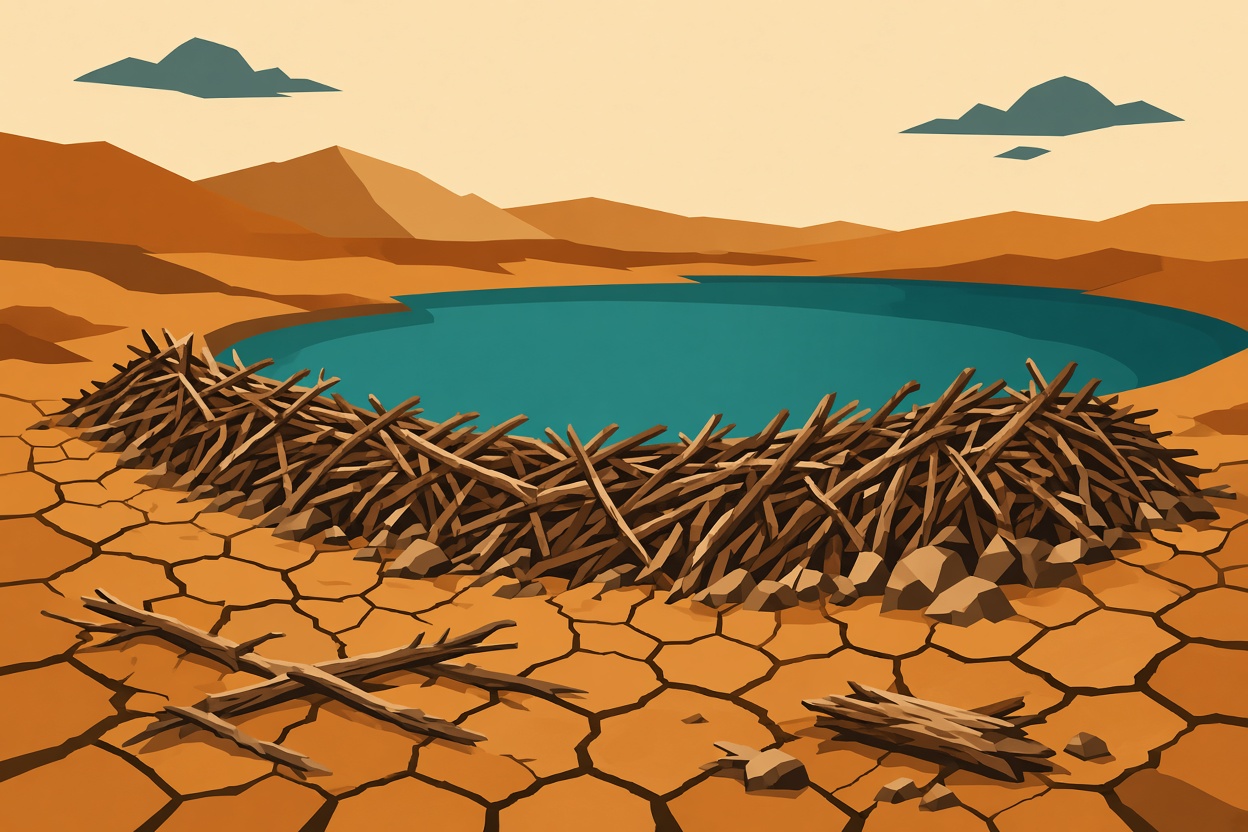
Most of the countryside around the Holnicote estate in Somerset stayed dry and dusty through the summer. One small watercourse stood out as a green wet meadow. Beavers had been extinct in Britain since the 16th century. They returned to the estate six years ago after a reintroduction project. The animals fell small trees and built dams that backed up water across the valley bottom. The water soaked into the soil and supported wetland plants. A study of an enclosure in Devon counted thirteen dams that held an extra million liters of water. Four wild territories in the same county stored more than twenty-four million liters altogether. Researchers in Canada tracked one park for fifty-four years after beavers returned in 1954. Areas with active beaver lodges held nine times more open water than areas without them during the driest year on record. The same wetlands keep stream-side plants greener and less likely to burn. A review of five western U.S. wildfires showed beaver-dammed stretches suffered three times less damage than nearby sections. England now requires a license and a management plan before any new releases. Officials say beavers belong only on suitable watercourses where flooding of farmland can be avoided. Landowners and researchers continue to monitor the colonies in Devon and Somerset. The animals add stored water to a landscape that has been drained for centuries.