


Brain Injury Care Extends Beyond Hospitals
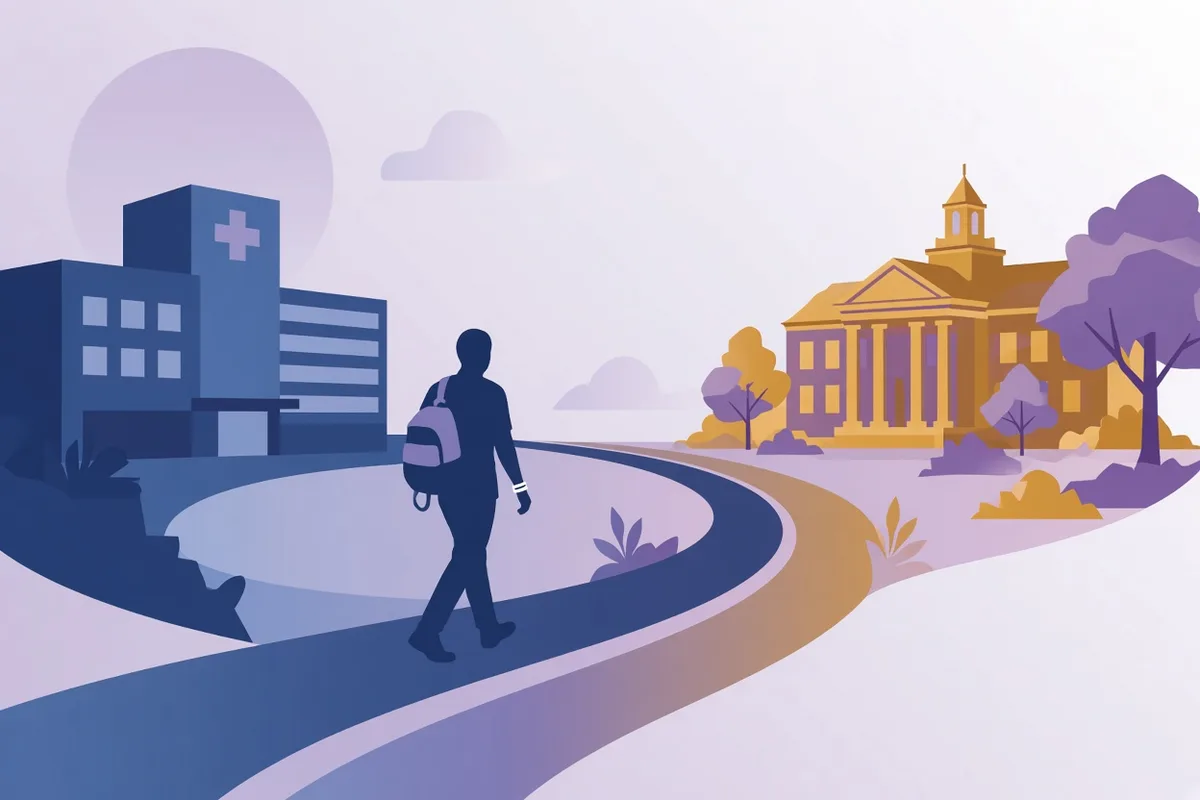
A Colorado man continues to make progress more than a decade after a traumatic brain injury, attending college and pursuing a possible nursing career with ongoing therapy and family and medical support, despite early predictions that his recovery would plateau. A separate commentary argues that support often becomes harder to navigate after brain-injury patients leave the hospital, with patients and families left to coordinate rehabilitation, follow-up care, and returns to work or study. It calls for better continuity and attention to the practical challenges of life after injury, including employment and peer support. Guidance for people injured in car crashes also warns that brain-injury symptoms may emerge gradually and be overlooked; medical records, testing, symptom logs, and observations from people close to the patient can help document their effects.