


Brian Welch Leaves Korn for Christ
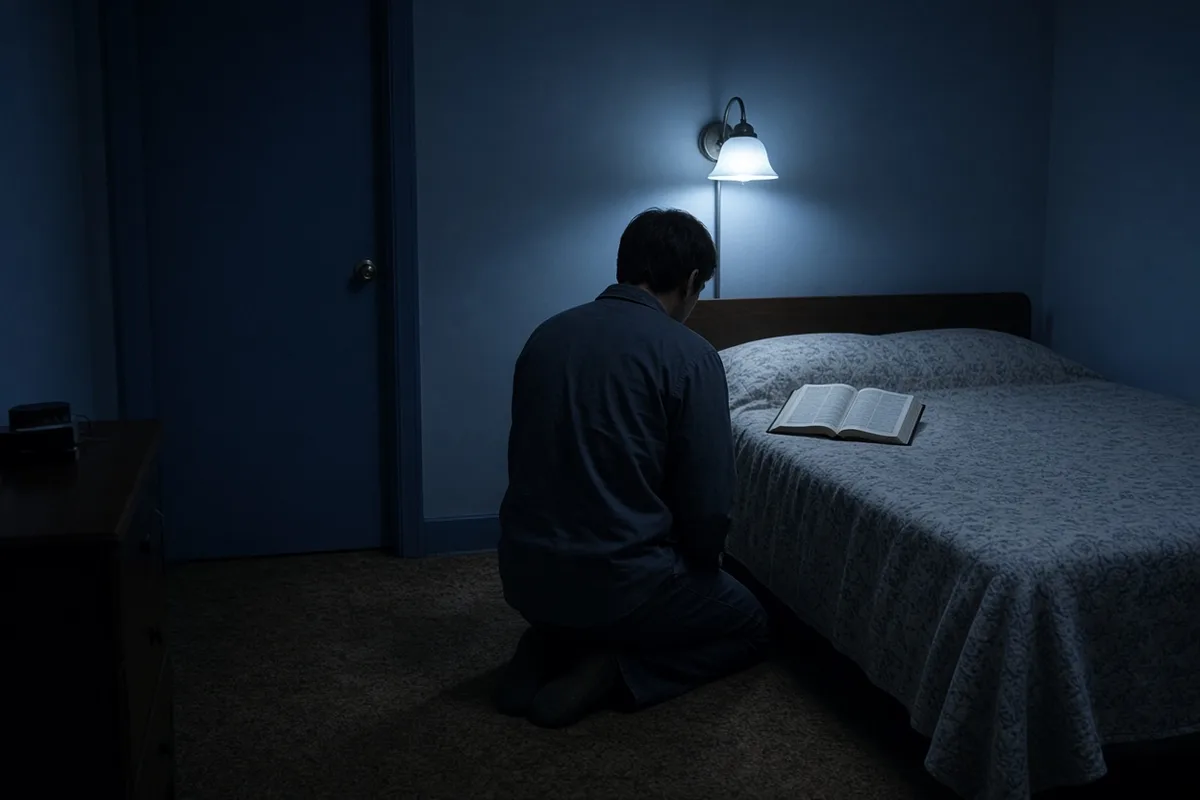
The lights in the sanctuary stayed low even after the last song faded. I stood near the side aisle with a stack of bulletins still in my hand, watching the altar call draw people forward in ones and twos. A man in a black hoodie kept his head down near the front row. He had come in late, sat alone, and now he moved when the pastor asked if anyone needed to lay something down.
That was the first time I saw Brian Welch up close. Bakersfield knew the name. Korn had sold out arenas, and the local papers still ran pieces about the hometown boys who made it. Most of us had heard the stories that came back from the road: the money, the pills, the nights that stretched until morning. Welch looked thinner than the posters on the music-store wall. His hands shook once when he reached the carpet.

He stayed at the rail a long time. Pastor Vietti spoke with him quietly, then the two of them prayed. When Welch finally stood, his face was wet. He did not look around for anyone. He walked straight out the side door into the parking lot where the February air cut sharp.
Three days later the radio station played the clip. Welch told the morning show he had chosen Jesus Christ as his savior and would dedicate his music to that. The band’s website posted a short note the same afternoon. They said they respected his wishes. No one in the church crowd acted surprised. We had seen the hooded figure every Sunday for a month, always in the same seat, always leaving before the final hymn.

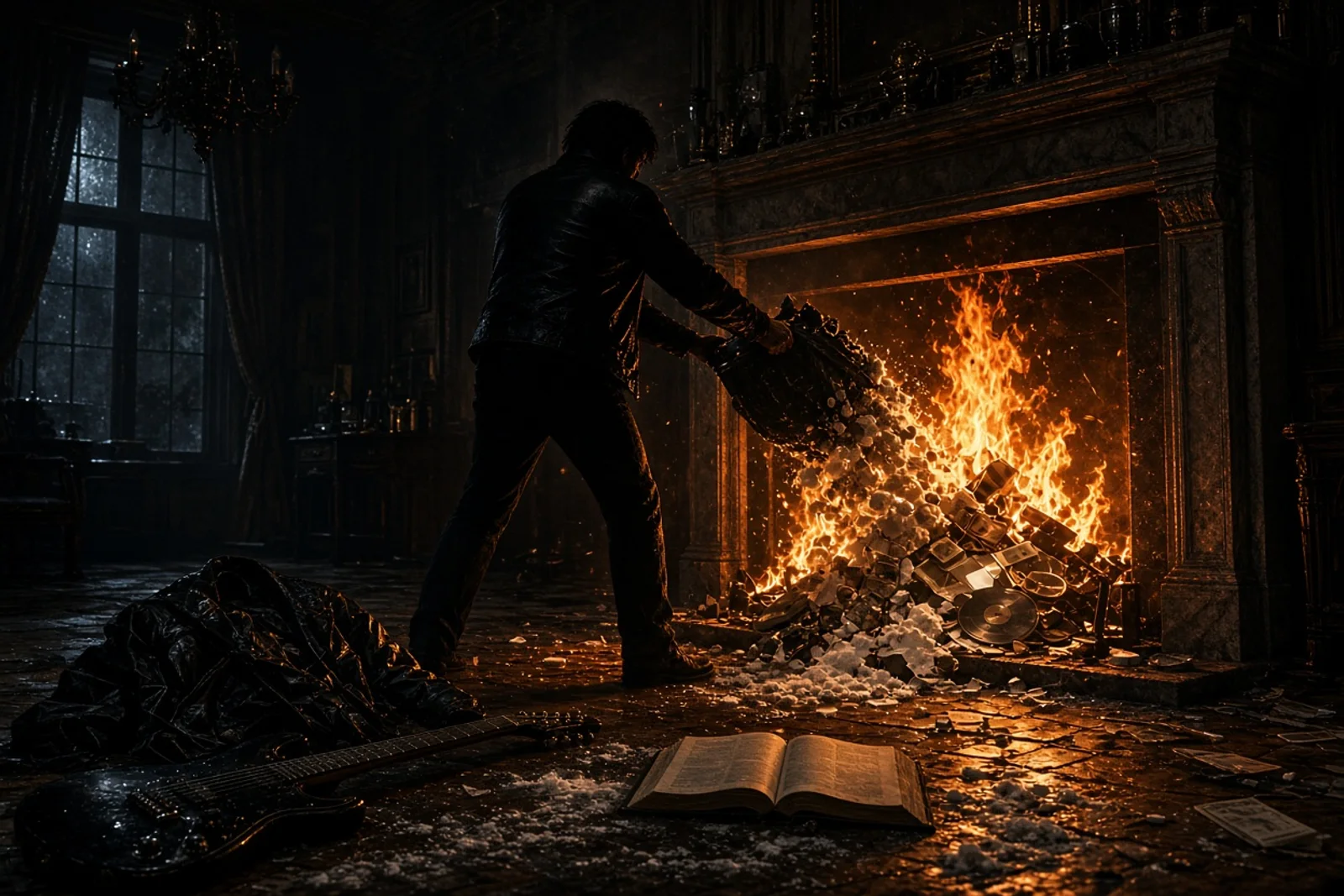
The week after that he stood on the same stage without the hood. His voice carried to the back rows without a microphone. He said he had tried everything else first: clinics, books, promises to his daughter. Nothing held. He described rolling up a bill in a closet one afternoon and stopping mid-line. The prayer he prayed was simple. He asked for one parent who could stay clean. Then he threw the rest of the drugs away and waited to see if the want would come back. It did not.
People in the pews shifted. Some wiped their eyes. Others sat perfectly still. A high-school kid near me, the one who worked at the guitar shop, started crying hard enough that his shoulders shook. Welch invited anyone who felt the same weight to come forward. Nearly two hundred did across the three services that day.
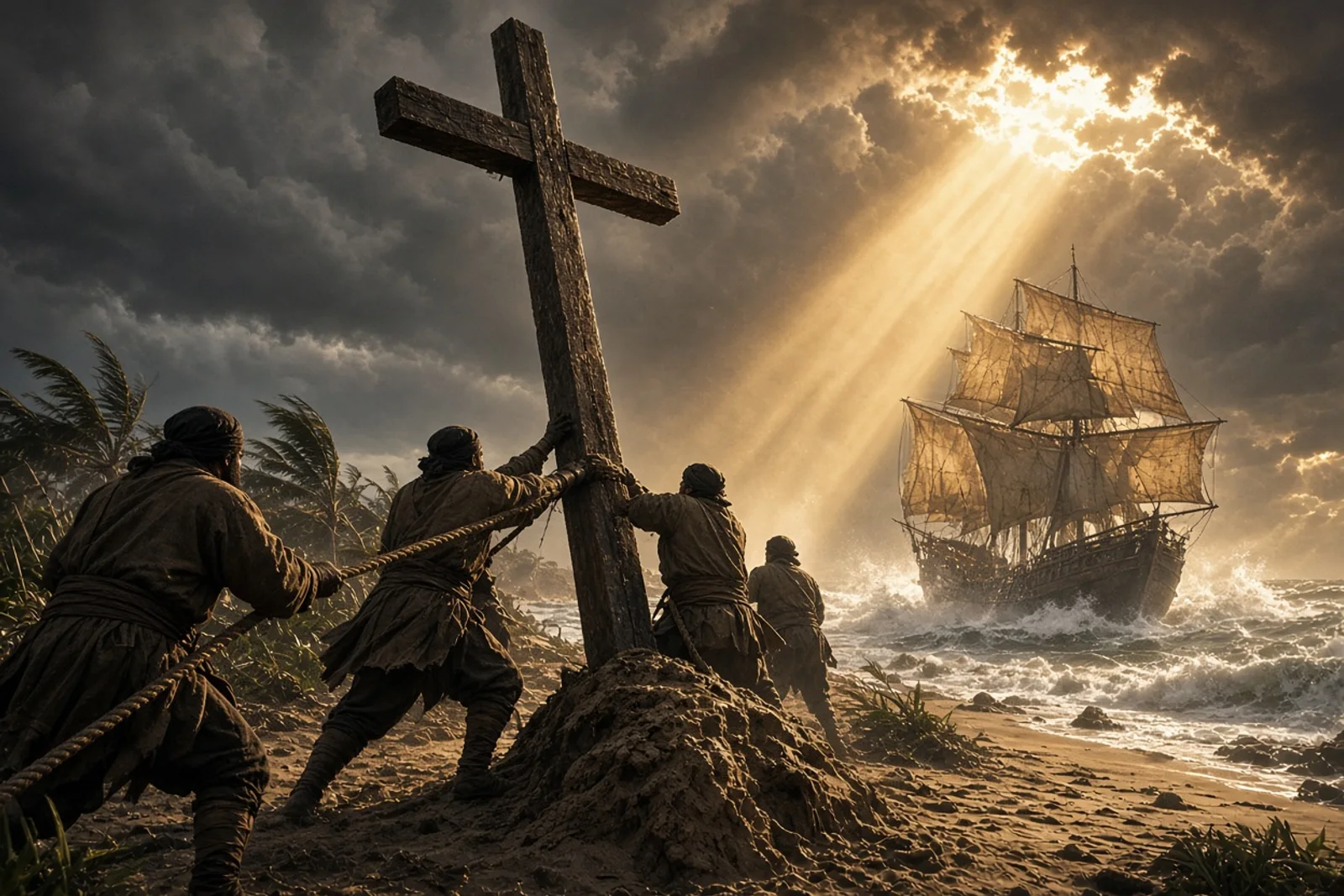
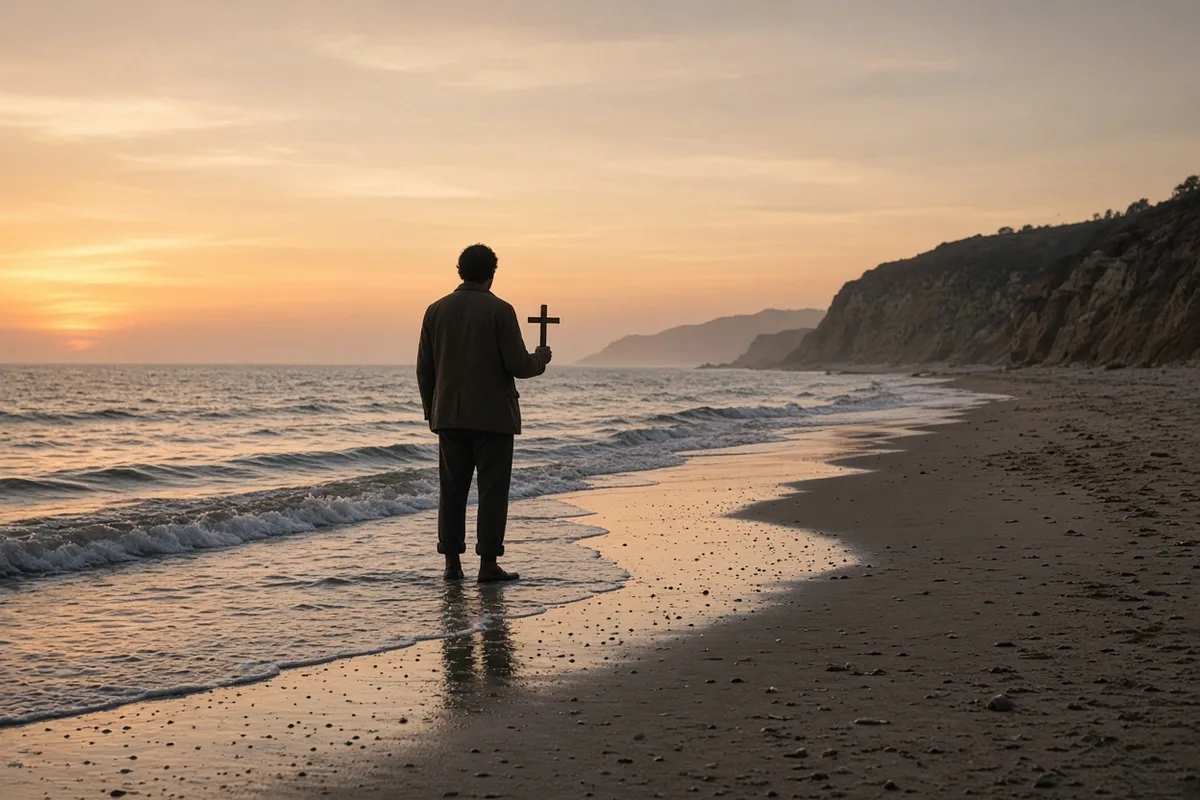
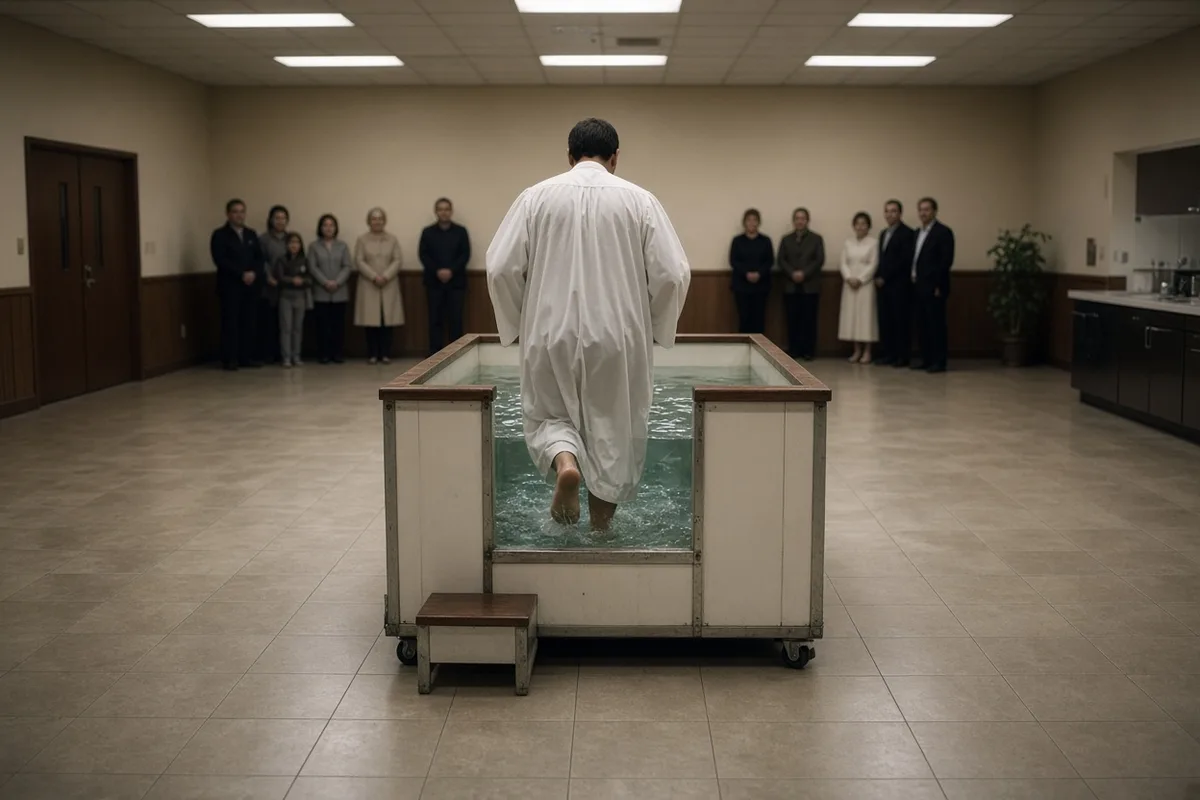
The following Tuesday a group from the church boarded a plane for Israel. Welch traveled with us. He kept to himself most of the flight, reading a small Bible and making notes in the margins. In the mornings he walked the old streets of Jerusalem with the rest of the group, sometimes stopping to take pictures of the sky. On the tenth of March we reached the Jordan River. The water ran brown and fast from recent rain. Vietti waded in first, then motioned for Welch. They stood waist-deep while the pastor spoke the words. When Welch came up, he wiped his face with both hands and looked toward the far bank as if he were trying to fix the moment in his mind.
Back in Bakersfield the phone calls started. Old friends from the music scene wanted to know if the stories were true. Welch answered most of them the same way: he had found something that worked where the rest had failed. He began writing new songs in a rented studio, testing riffs that sounded nothing like the down-tuned Korn tracks. He said he wanted the music to help kids the way nothing had helped him.
By summer the first single was finished. He played it for a small crowd at a festival in Illinois, then handed out flyers for a skate park he planned to build with whatever the record earned. The crowds at those early shows were small. Some nights only a few dozen people showed. Welch stayed after every set, signing whatever was put in front of him and asking each person what they were carrying. He never promised quick fixes. He only said the same thing he had said at the river: the weight could be handed over.
One afternoon I ran into him at a coffee shop near the old church. He had a fresh tattoo across his left knuckles that read simply “Jesus.” He flexed the hand once and smiled. The royalty checks from the old band had finally started arriving again, he said, but the numbers did not matter the way they used to. He was still figuring out how to pay the bills on the new house, still learning how to be a father without the old crutches. The peace, he added, was worth every lost dollar and every empty arena seat.
We shook hands and he walked out into the heat. The Hummer sat at the curb, windows down. He looked up at the sky for a second before he opened the door, then drove away without turning on the radio.
The next time the phone rang at the church office it was a booking agent from Nashville asking whether Welch would consider opening dates on the winter leg of a tour that started in Indianapolis on the twenty-third of January 2008. He drove the Hummer up from Bakersfield with a single road case and a stack of handwritten set lists, playing rooms that held fewer than four hundred people on most nights. The set included a song called “Rebel” that he had tracked at a studio on Magnolia Avenue the previous September; the engineer logged twenty-eight hours of guitar takes before the final mix landed on the label desk. By March the single had reached number seventeen on the Christian rock chart and the royalty statement that arrived in April showed 14,862 units moved in the first quarter. Welch used part of that check to finish the concrete ramps at the skate park on Brundage Lane, which opened on the fourth of July with a ribbon-cutting attended by seventy-three local kids and two off-duty Bakersfield police officers.
Two years later he stood on the stage at the House of Blues in West Hollywood on the twelfth of October 2010, introducing a new drummer named Scott who had flown in from Atlanta the night before. The band had changed its name twice already that summer. Between songs Welch told the crowd he had spent the previous week in family court in Kern County arguing over visitation with his daughter Jennea, then twelve, and that the judge had granted him an additional weekend each month provided he kept a permanent address inside the state. After the last encore he stayed behind to load his own amp into a rented cargo van because the one roadie had called in sick. The venue manager handed him an envelope with $1,840 in cash from the door; Welch counted it twice under the parking-lot lights before tucking it into the glove box.
By the spring of 2012 he had moved the operation to a warehouse space outside Nashville and recorded the first Love and Death album with producer Jasen Rauch. The tracking sheets list thirty-four guitar tracks on the song “The Abandoning,” most of them laid down between midnight and five in the morning over eight consecutive nights. When the record came out on the twenty-first of August the band played a release show at Rocketown where two hundred and forty tickets sold in advance. Welch told the crowd that night he had flown back from a European festival the previous weekend and had not yet unpacked his suitcase; the set ran seventy-one minutes and ended with an acoustic version of a Korn song he said he now played differently. The following Tuesday he drove to a middle school in Franklin to speak to a health class about the year he spent in and out of three different treatment facilities before the trip to the Jordan River.
The call from Korn’s management came on a Tuesday in March 2013 while Welch was in the middle of a Love and Death rehearsal. Jonathan Davis left a voicemail that lasted four minutes and twenty seconds; the band wanted him on the new album and the upcoming tour cycle. Welch flew to Los Angeles the next morning and sat in the same rehearsal room the original lineup had used in 1993. They tracked his parts for “Never Never” in two days, then flew to Germany for the first show on the fourteenth of June at the Rock am Ring festival in front of eighty-seven thousand people. Fieldy met him at the airport and handed him a laminate that still carried the old Korn logo; Welch kept it clipped to his backpack for the entire European run.
In the years that followed he split time between Korn dates and Love and Death sessions, logging 114 shows in 2016 alone according to the tour accountant’s spreadsheet. Jennea graduated high school in Bakersfield in June 2018 and moved into an apartment Welch co-signed near the old church; he attended the ceremony wearing a Korn hoodie and sat in the third row with his mother. Two months later he signed papers to purchase a second house in Franklin, Tennessee, so he could be closer to the studio where he now records most weeks. The property sits on five acres and includes a detached garage that he converted into a writing room lined with the same model of Mesa Boogie amp he used on the first Korn record.
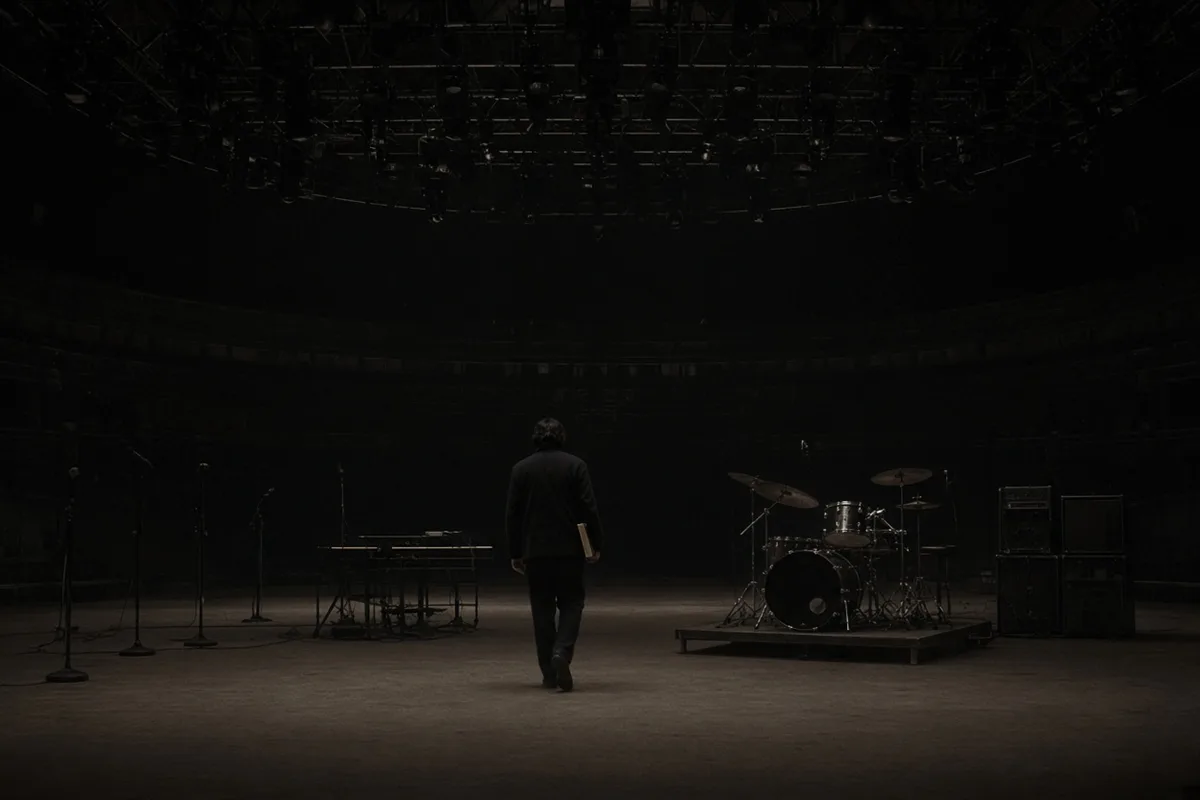
On the twenty-ninth of August 2023 he walked onstage at the Kia Forum in Inglewood with the rest of Korn for the first night of a co-headlining run with Evanescence. The set list included eight songs from the new record and three from the 1994 debut; Welch’s in-ear mix was set four decibels louder on the guitar than on the previous tour so he could hear the down-tuned riffs over the crowd noise. After the final bow he stayed in the dressing room until nearly one in the morning signing posters for fans who had waited at the loading dock. One of them, a seventeen-year-old from Bakersfield, handed him a photograph taken at the Jordan River in 2005; Welch looked at it for several seconds, then wrote the date and his initials on the back before handing it back.
The last time anyone from the original church group saw him in person was at a small acoustic set he played at the same sanctuary on the evening of the twelfth of February 2024. He arrived alone, carrying the same Bible he had carried on the flight to Israel nineteen years earlier, and played four songs for an audience of eighty-three people. When the set ended he stepped off the platform, shook hands with Pastor Vietti, and walked out the side door into the parking lot where the February air still cut sharp. The truck he drove that night was newer than the Hummer but the windows were down and the radio stayed off as he pulled onto the street and headed toward the highway that leads out of town.
A week later the church office received a FedEx envelope postmarked from Franklin containing a check for $2,400 made out to the youth fund and a note on plain stationery that read, “For the new PA system—BW.” The envelope also held a photocopy of the set list from the February acoustic show, with “Save Me From Myself” circled and the word “Jordan” written beside it in the margin. Pastor Vietti filed both items in the same folder that already held the 2005 baptism photograph.
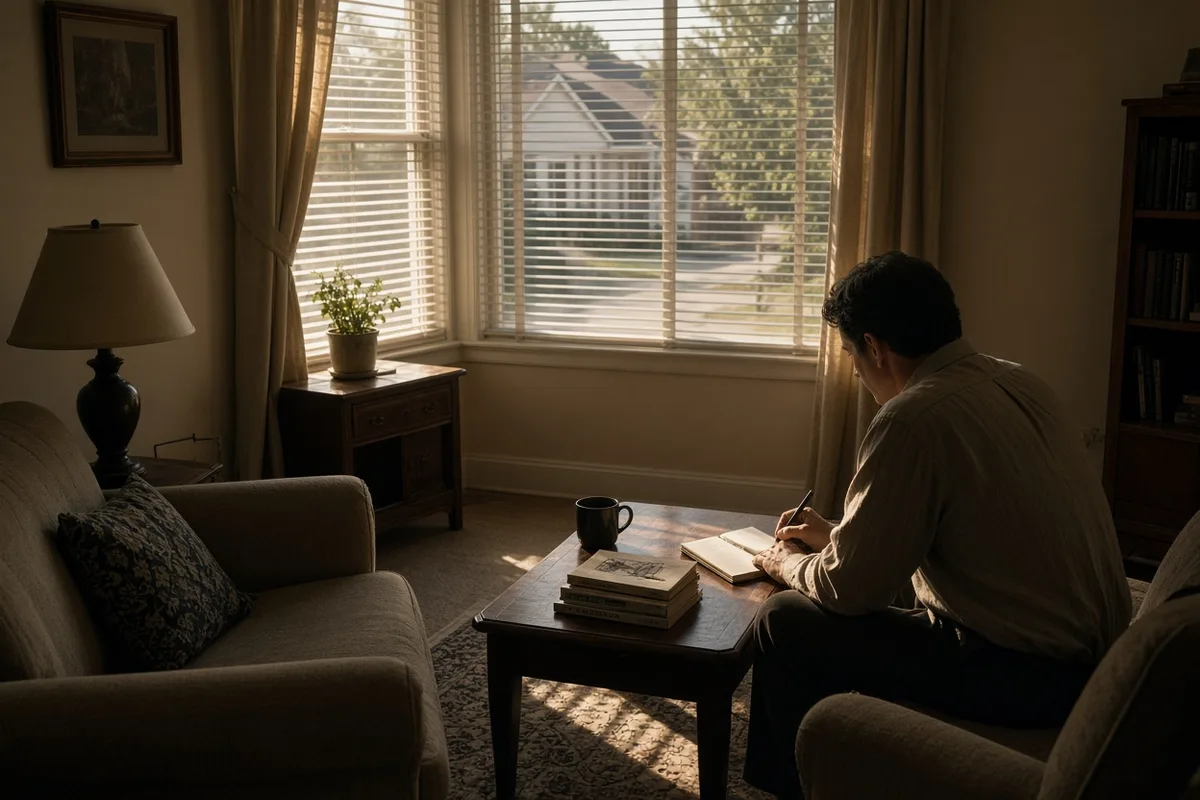
In April 2024 Welch flew to São Paulo for the first date of Korn’s South American run. The tour log shows he performed forty-three shows that year, logging 118 hours of stage time according to the production manager’s spreadsheet. Between dates he recorded guitar overdubs for the next Love and Death record at a studio on Music Row; the engineer’s notes list 41 takes on the track “Down” before the vocal comp was approved on the twenty-second of July.
Jennea Welch turned twenty-six that October and posted a photograph on her private account showing the two of them at a Bakersfield diner the night before her shift at the county clerk’s office. The caption read only the date and the words “Thanks for the ride, Dad.” Welch replied in the comments with a single period, then logged off.
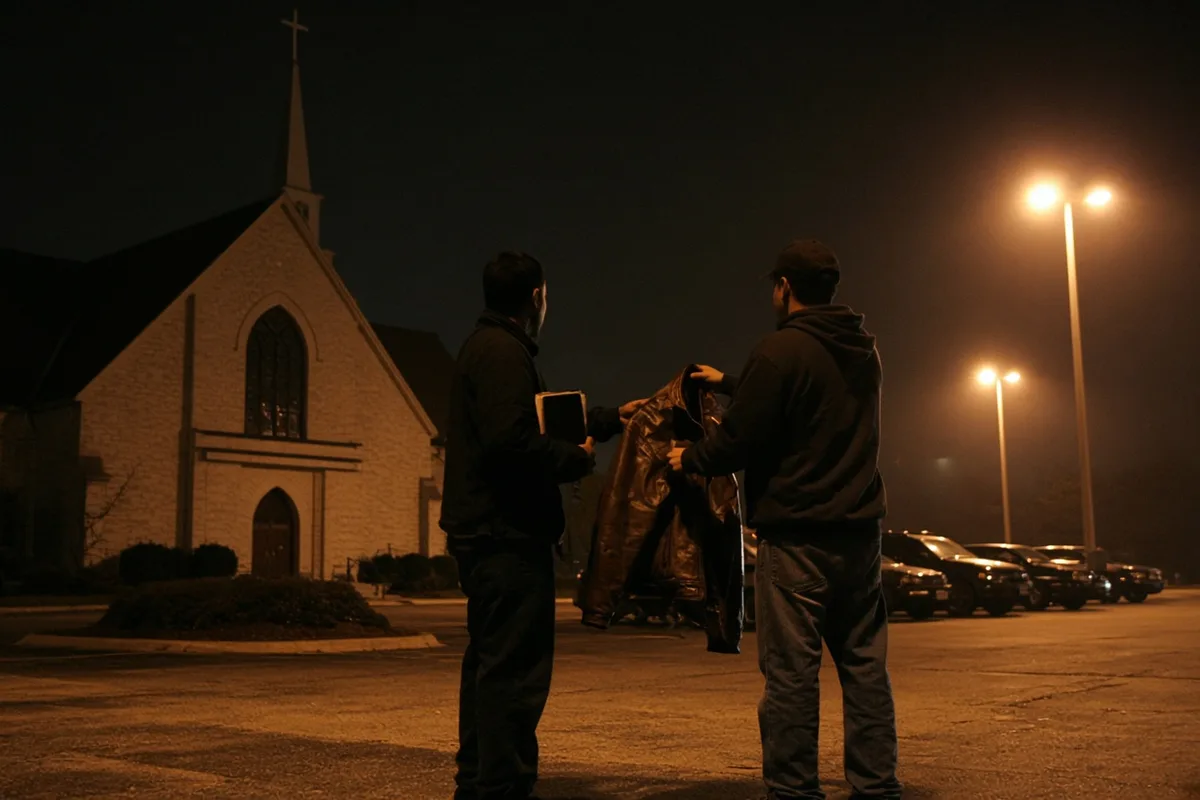
By December the second house in Franklin had been placed on the market. The listing described a five-acre property with a detached writing room containing three Mesa Boogie Dual Rectifiers purchased in 1994. Welch moved the remaining gear into a storage unit off I-65 and signed a six-month lease on a one-bedroom apartment two blocks from the old church building in Bakersfield.
On the third of March 2025 he appeared unannounced at the Wednesday night prayer meeting. He took a seat in the same row he had occupied twenty years earlier, opened the same Bible, and read aloud from Psalm 40 without amplification. After the meeting he spoke for twelve minutes with the current youth pastor, then drove the same truck north on Highway 99 toward the airport for an early flight to the Korn European festival dates.
The final image from that trip is a single frame captured by a fan outside the venue in Prague on the fourteenth of June: Welch standing at the loading dock at 2:17 a.m. local time, still wearing the in-ear monitors, one hand raised to wave at the remaining cluster of people while the other held the laminate from the 2013 reunion tour. The truck in Bakersfield remained parked in the church lot with the windows down and the radio off.