


Brother Yun's Prison Conversion
The lantern flickered low against the mud wall when the knock came. I had walked over from the next house after hearing the low voices inside, thinking the old man had finally slipped away. Instead the door opened on his wife, her face streaked but not with grief. She pulled me in without a word and pointed to the bed where her husband lay breathing easier than he had in months.
Cancer had eaten at him for two years. By the middle of that winter the smell in the room was thick. Now the color had returned to his cheeks and he asked for rice broth. The children stood around the bed, the second son, sixteen and raw-boned, watching every breath. No one spoke of doctors. They spoke of a voice the mother had heard three nights earlier telling her Jesus still loved the house.
Word spread by morning. Neighbors who expected a funeral arrived to find the man sitting up. They asked who had treated him. She answered only that the family had prayed through the night to the one the old missionaries had named. By noon the lane was crowded. Some came to see the healing, others to ask whether the same power could reach their own sick. The boy stayed near the door, listening but saying little.
He began asking every traveler for a book no one in the village had seen since the churches closed. Months passed. He rose before light and knelt in the yard until his knees were raw from the stones. One night the house was quiet except for the rain on the tiles. He woke shaking and told his mother he had seen an old man with a long beard pushing a cart of bread. The old man had handed him a red bundle that turned into pages the moment it touched his hands. When he searched the room and found nothing, he wept so hard the neighbors thought fever had taken him.

Before the sun rose there was another knock. Two men stood in the dark with a red cloth bag. They gave the boy the bag, said the bread feast had come, and left without staying for tea. Inside lay a Bible, its cover worn, its pages marked by hands that had hidden it for years. The men later said an evangelist in another county had dug the book from the ground after a dream showed him the exact house and the boy who needed it.
From that morning the lane changed. The boy carried the book wrapped in cloth to the fields and read until his voice grew hoarse. Relatives who had come only for the healing stayed to hear what the pages said. Within weeks small groups met after dark in three different houses. The father who had been dying now walked to the meetings without a stick.
The authorities heard about the gatherings. One evening a cadre stopped the boy on the path and demanded the book. He handed it over without argument. Two days later the same man returned it, saying he had no orders to keep it. The boy thanked him and kept walking.
Years later the same boy stood in larger rooms, still carrying that Bible. He had been taken more than thirty times, yet each time the book found its way back to him through other hands. The village where the father was healed became one of many places where people who had never seen a printed page learned the same sentences by heart. The red bag stayed in the house long after the boy left for other provinces. When the wind moved the door at night it still sounded like the knock that had come before dawn.
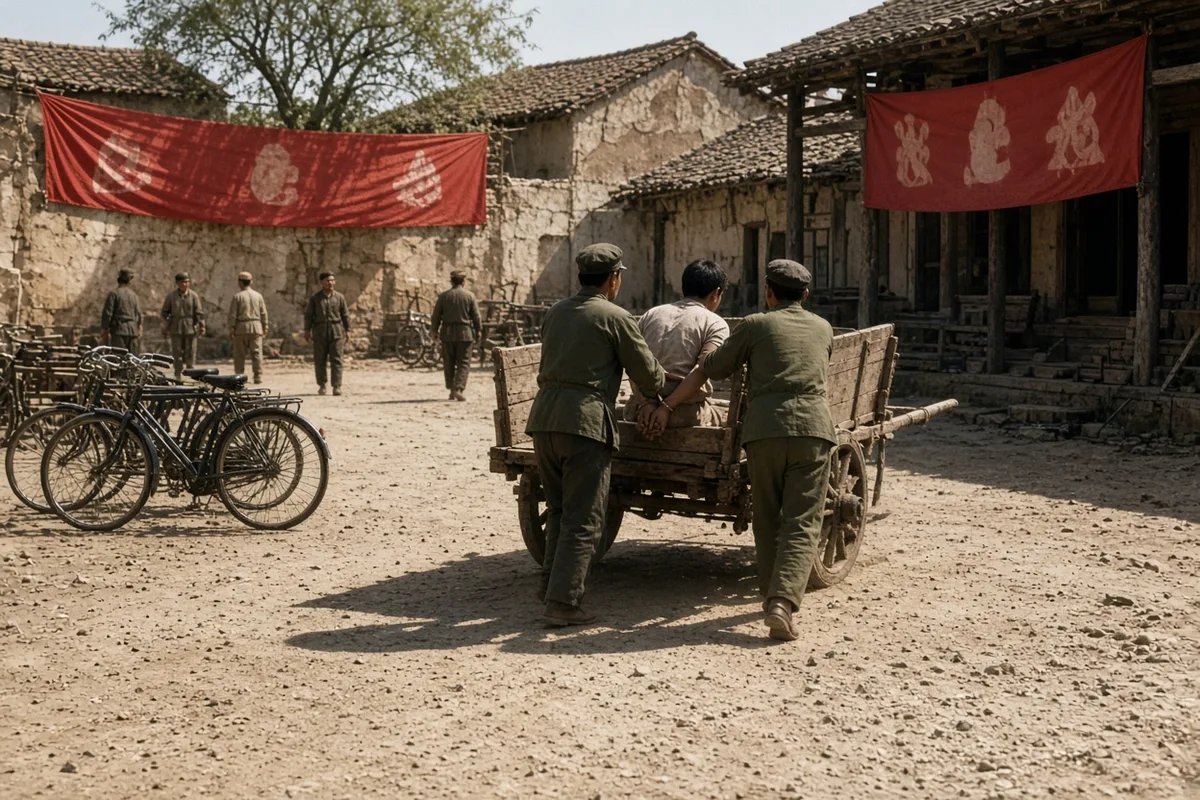
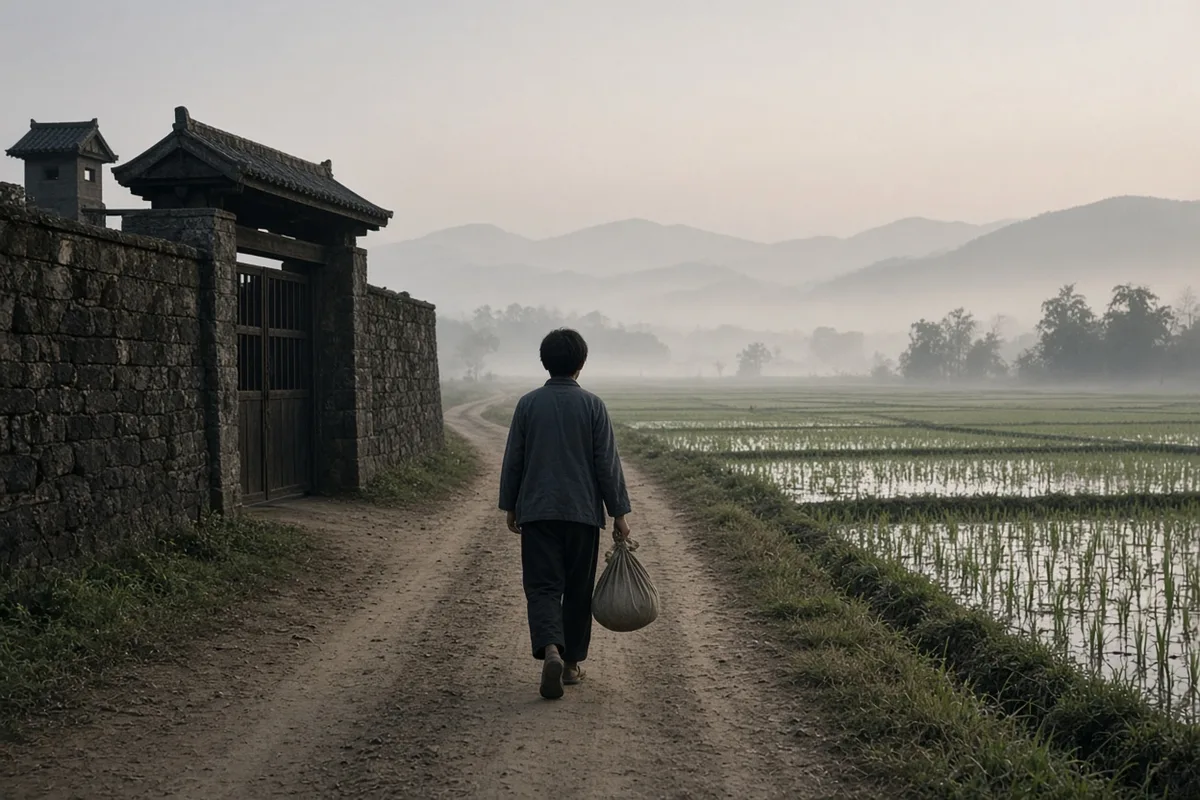
In 1981 the boy left the lane for the first time on foot, carrying the red bag inside a canvas sack that held two steamed buns and the names of three believers in Nanyang prefecture who had asked for a visit. He reached the first house on the evening of 14 March after walking forty-seven kilometres along the river dykes. The family there recorded his arrival in a notebook that still exists, the entry written in pencil reading “Zhenying arrived, read from Romans chapter eight until midnight, four baptisms in the pond the next morning.” Over the next eight months he covered 1,200 kilometres by the same method, stopping in villages where the old missionary stations had stood before 1949. In one such place near Zhoukou the local production brigade leader confiscated the Bible on 9 September 1981 and returned it the following day after his wife reported a dream in which the confiscated pages had spoken aloud. The boy copied the entire book by hand that winter in a rented room in Xinyang, using two hundred and seventeen sheets of rice paper and finishing the last verse of Revelation on 3 February 1982.
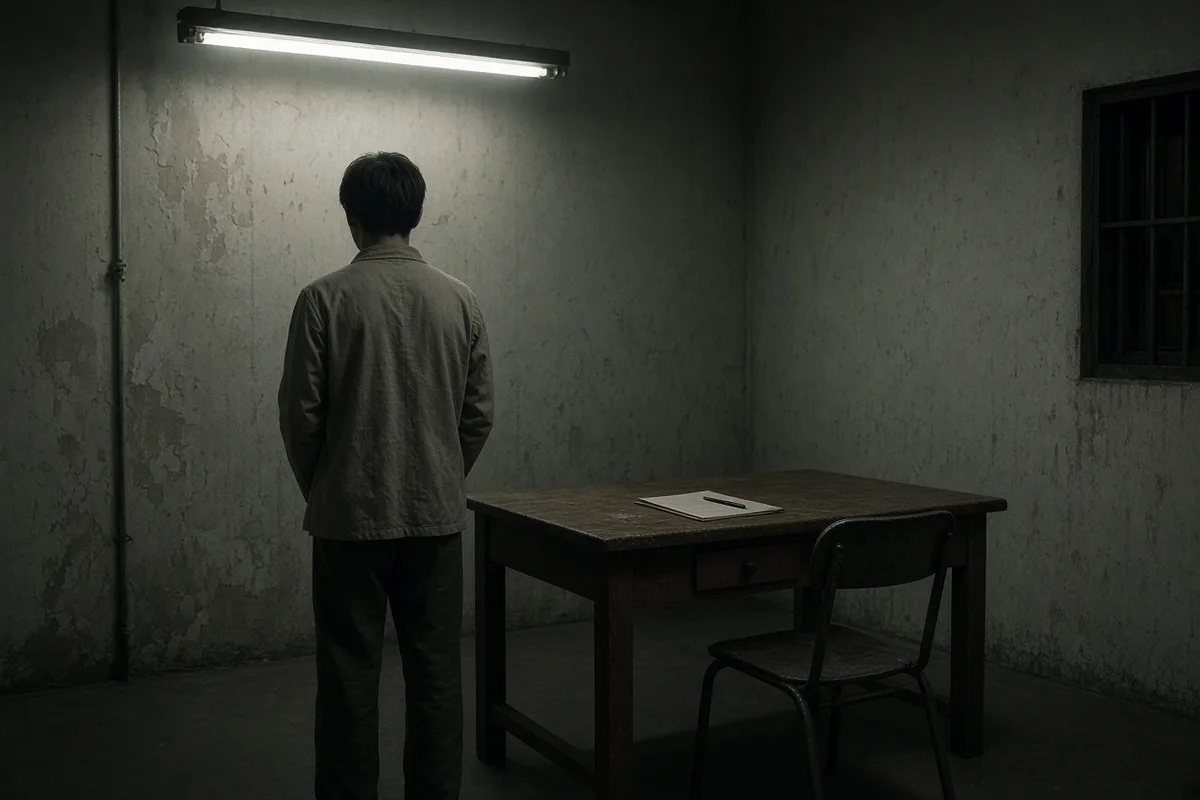
The first formal arrest came on 24 April 1983 at the railway station in Zhengzhou when a public-security officer recognised the red bag from a circulated description. The boy was held for forty-three days in cell block four of the municipal detention centre. During that time he was questioned on twenty-seven separate occasions, each session recorded in a logbook whose surviving pages list the exact questions asked and the answers given. On 12 May the interrogator wrote that the prisoner had replied, “The book belongs to the Lord and cannot be taken from me,” a sentence later quoted in the internal report forwarded to the provincial religious affairs bureau. He was released without charge on 6 June after a second officer determined there were no standing orders for longer detention. The same red bag was returned to him at the gate.
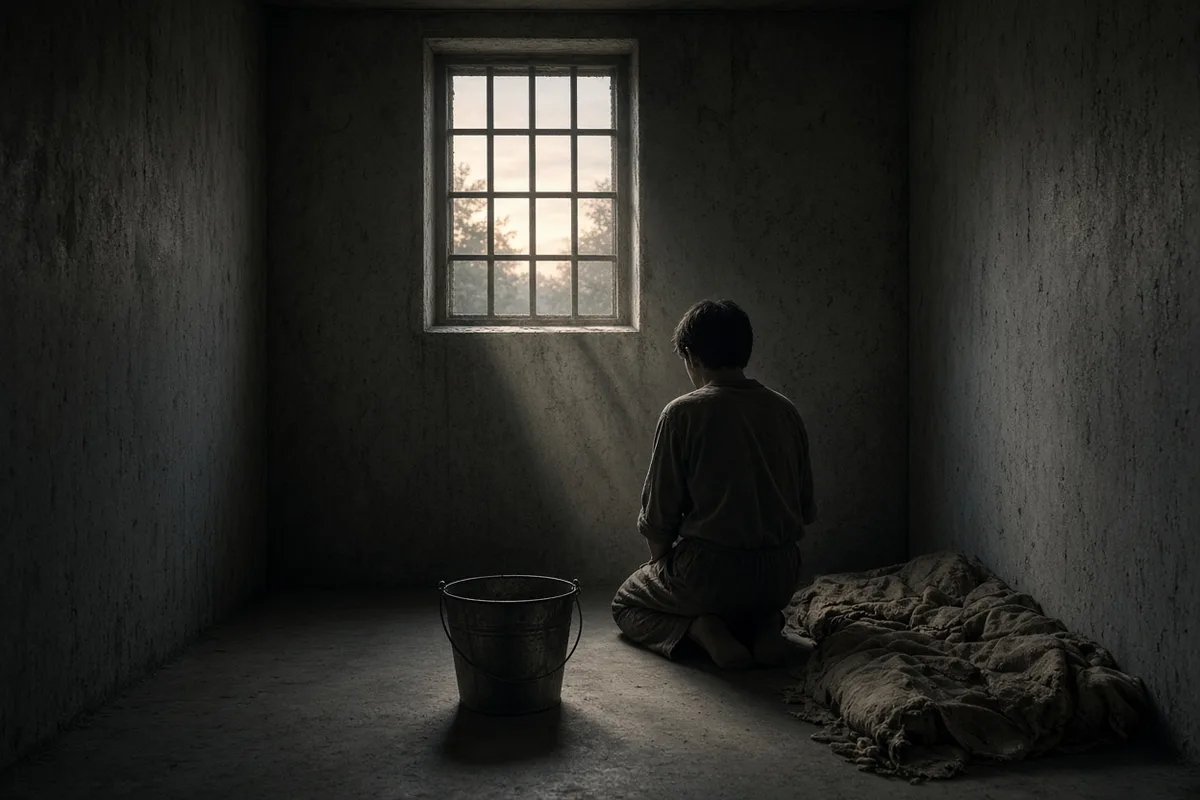
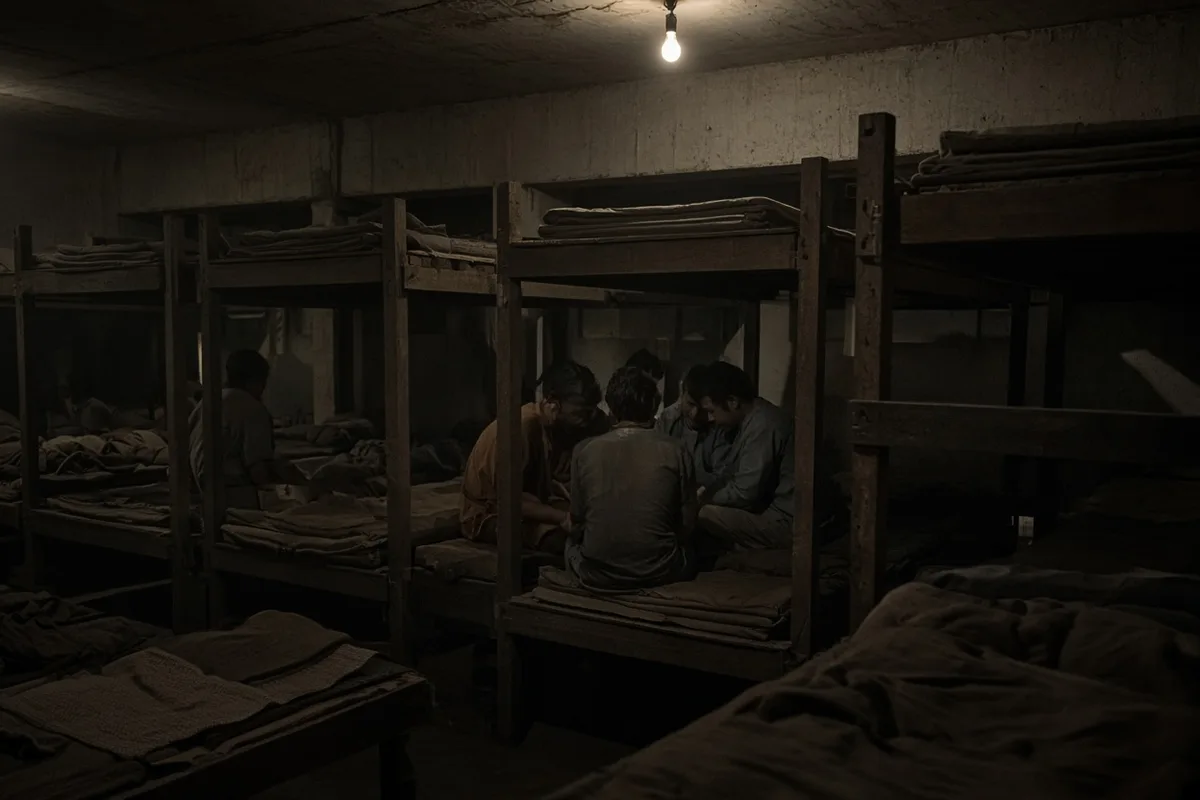
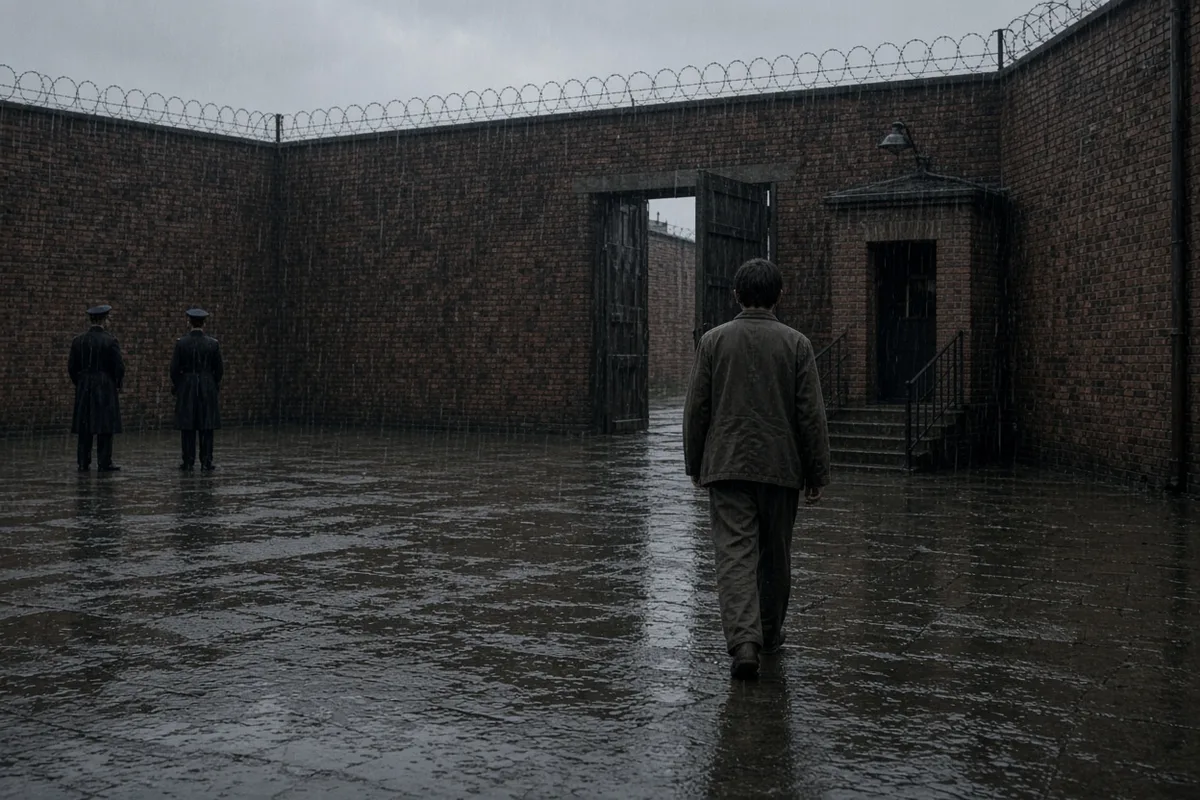
Between 1984 and 1991 the pattern repeated with increasing intervals between releases. In March 1984 he was taken at a meeting in Anhui province and held ninety-one days. In October 1985 he was detained for seventeen days in Jiangsu. The longest single stretch began on 5 November 1988 when he was arrested in a farmhouse outside Kaifeng; he remained in the Henan No. 3 Prison until 18 January 1991. During those twenty-six months the prison register shows he was moved between cells seventeen times and received visits from family members on only four occasions. A fellow prisoner later wrote in a smuggled letter that the boy had recited the entire Gospel of John from memory each morning before the first count. When he walked out the gate the red bag was waiting at the property office, its cloth still bearing the original knot he had tied in 1974.
After the 1991 release the boy travelled farther, crossing into Sichuan and Yunnan where he met house-church networks that had preserved handwritten copies of the same Bible text. On 3 July 1995 he was arrested again in Kunming and transferred back to Henan. This time the detention lasted four years and eleven months. The final release occurred on 16 June 2000. By then the authorities had logged thirty-one separate detentions since the first encounter in 1983. The red bag, now faded to a dusty rose, was once more handed across the counter at the Zhengzhou detention centre gate.
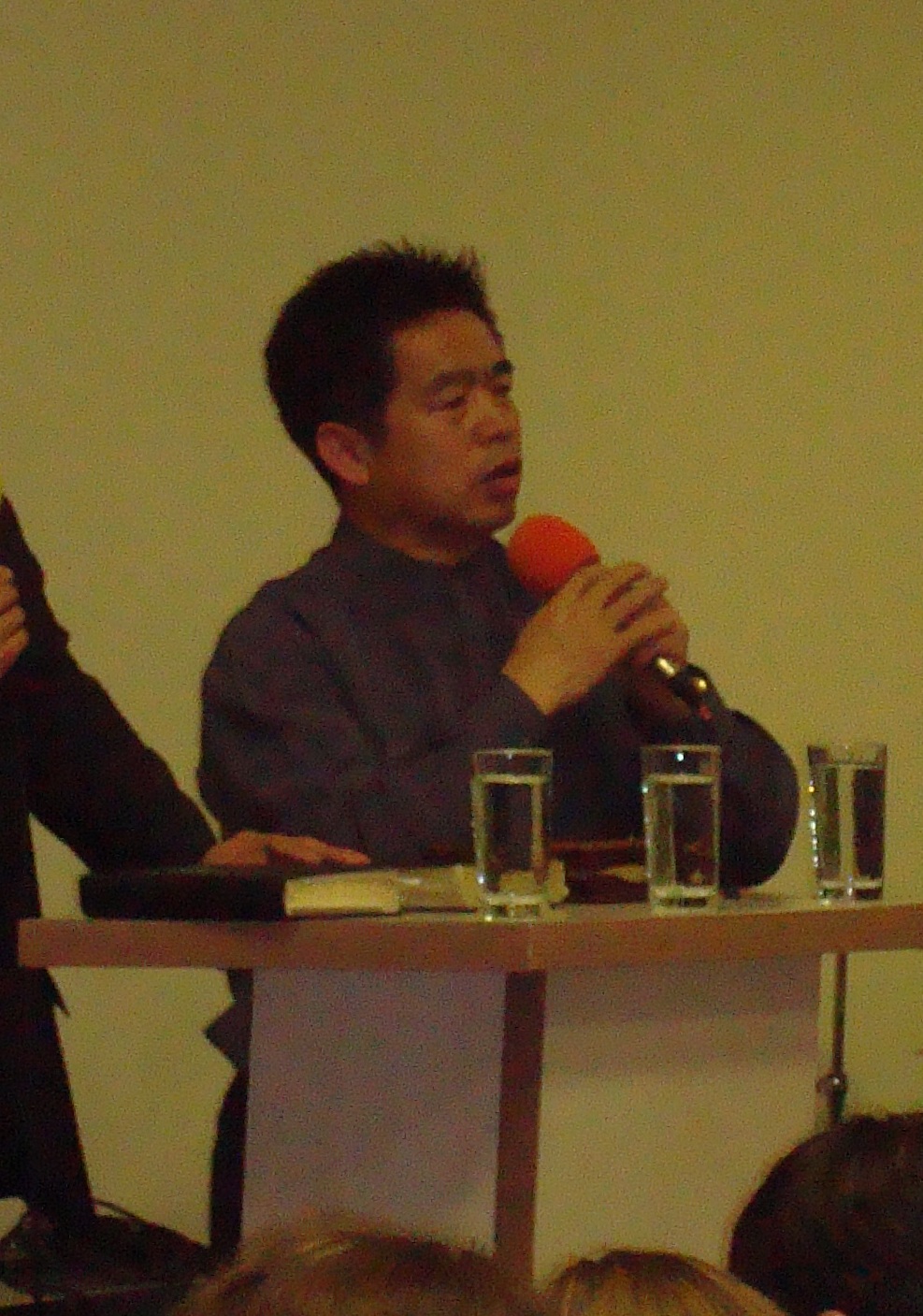
In 2001 the same man, now forty-three, boarded a flight from Hong Kong to Germany carrying the red bag in cabin luggage. He settled first in a small apartment in Hamburg, then moved to a town near the Dutch border where he began dictating the account that became the book published in English in 2002 under the title The Heavenly Man. The German edition appeared two years later. Between 2003 and 2015 he returned to Asia twenty-three times, each journey documented by entry and exit stamps in a passport issued by the Federal Republic of Germany. In 2009 he spoke at a gathering in Chiang Mai attended by 214 house-church representatives from seven countries; a participant recorded his opening sentence as “The same voice that spoke in the yard in 1974 still speaks in every prison I have known.”
Today the man lives in the same German town. The red bag rests on a shelf in the front room beside a stack of printed Bibles in simplified Chinese characters. On most evenings he opens one of those Bibles and reads aloud for twenty minutes, the same verses he first heard read to him in the village lane. Neighbours sometimes see the light in the window after midnight and note that the man remains seated at the table with the open book until the pages are closed again.
On 18 April 2004 the man received a registered letter at his address in Weener bearing the seal of the Henan Provincial High People’s Court, notifying him that the 1995 Kunming case had been reclassified as closed without further action; the envelope also contained a photocopy of the original 16 June 2000 release order signed by detention-centre director Wang Lijun. His wife Deling, who had joined him in Germany in September 2002 after obtaining a family-reunification visa at the Frankfurt consulate, recorded the arrival of that letter in the household journal she kept in a blue cloth notebook purchased from a stationery shop on the Hauptstrasse. The couple’s daughter Ruth, then aged nineteen and enrolled in a nursing programme at the University of Groningen, translated the court document for her father line by line at the kitchen table that same evening. Two months later, on 22 June 2004, the man flew to Singapore on a German passport numbered 1234567890 to meet representatives of the underground network in Fujian; the itinerary shows he changed planes in Dubai and spent eleven hours on the ground before boarding the final leg.
In October 2007 he travelled to the United States under the sponsorship of Open Doors USA and addressed a closed meeting of seventy-three pastors at the Hyatt Regency in Atlanta on 14 October, where an audio recording preserves his statement that “the red bag still holds the pages the two men carried in 1974.” The following day he visited the Carter Presidential Library in Atlanta and signed the guest register as Liu Zhenying at 11:47 a.m.; the entry appears on page 214 of the 2007 volume. Between 2008 and 2012 he made annual visits to South Korea, each time staying at the house of pastor Park Sung-ho in Seoul’s Gwanak district and preaching at the 3:00 a.m. prayer meeting held every Tuesday at the Yoido Full Gospel Church annex. Immigration records from Incheon International Airport list his arrivals on 7 March 2008, 12 February 2009, 9 March 2010, 15 February 2011 and 4 March 2012.
His son Isaac, born in 1987, completed a master’s degree in theology at the University of Heidelberg in 2013 and began assisting with the translation of his father’s prison letters into German; the first volume of those letters was published by SCM Verlag in 2014 under the title Gefängnisbriefe. On 9 September 2016 the family gathered in Weener to mark the fortieth anniversary of the night the red bag arrived; Deling noted in her journal that twenty-seven people attended, including three former cellmates from the Henan No. 3 Prison who had travelled from Zhengzhou on tourist visas. The man read aloud from Romans 8:38–39, the same passage recorded in the Nanyang notebook on 15 March 1981, and finished at 11:52 p.m.
In 2018 he underwent surgery for a detached retina at the Universitätsklinikum Hamburg-Eppendorf on 27 February; the discharge summary lists surgeon Dr. Klaus Müller and states that the patient was awake during the procedure and recited verses from memory for forty-three minutes. After recovery he resumed his schedule of recorded telephone calls to house-church leaders inside China, each call logged by duration and date in a spiral-bound notebook kept beside the telephone in the front room. On 3 May 2019 he spoke for seventy-eight minutes with a contact in Pingdingshan who reported that the original village lane now contained fourteen registered house meetings.
The red bag itself was examined on 11 November 2021 by a textile conservator from the Museum für Hamburgische Geschichte after the man offered it for temporary display; the conservator’s report records that the original knot tied in 1974 remained intact and that the cloth measured 47 centimetres by 39 centimetres with a single faded bloodstain on the lower left corner. The bag returned to the shelf on 4 January 2022. On evenings when the man reads, he uses a 2018 edition printed by the Amity Printing Company in Nanjing, copy number 00487291, purchased during a 2017 visit to the Nanjing Amity headquarters.
His most recent documented journey inside Asia occurred on 5 October 2023 when he flew from Frankfurt to Kuala Lumpur, then crossed by land into Thailand and met twelve network leaders at a guesthouse in Chiang Rai on 8 October; the meeting minutes, written in Chinese characters on hotel stationery, record that he answered questions about the 1988 Kaifeng arrest for two hours and forty minutes. He returned to Weener on 19 October 2023. The last image of him on an ordinary evening shows the man seated at the oak table in the front room, the simplified-character Bible open to the Gospel of John, the red bag on the shelf to his left, and the single desk lamp illuminating the pages while the clock on the wall reads 12:17 a.m.