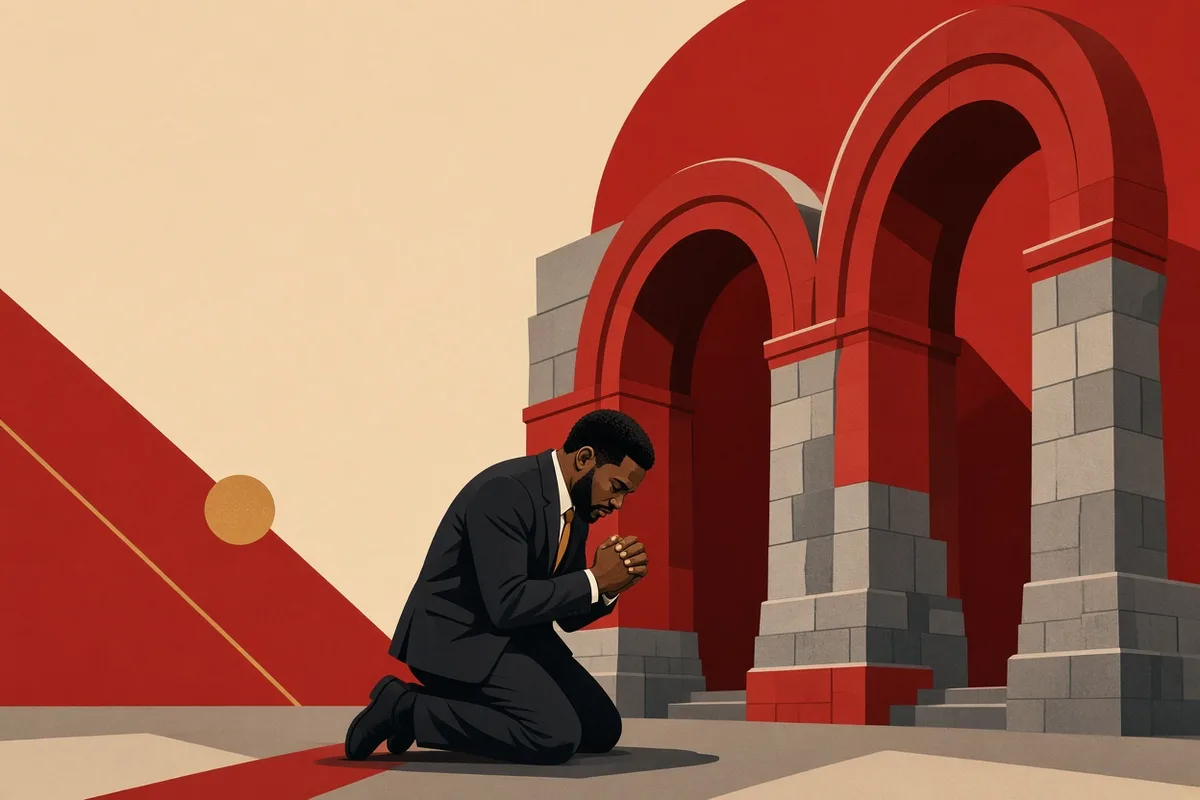



Brother Yun's Prison Conversion and Escape
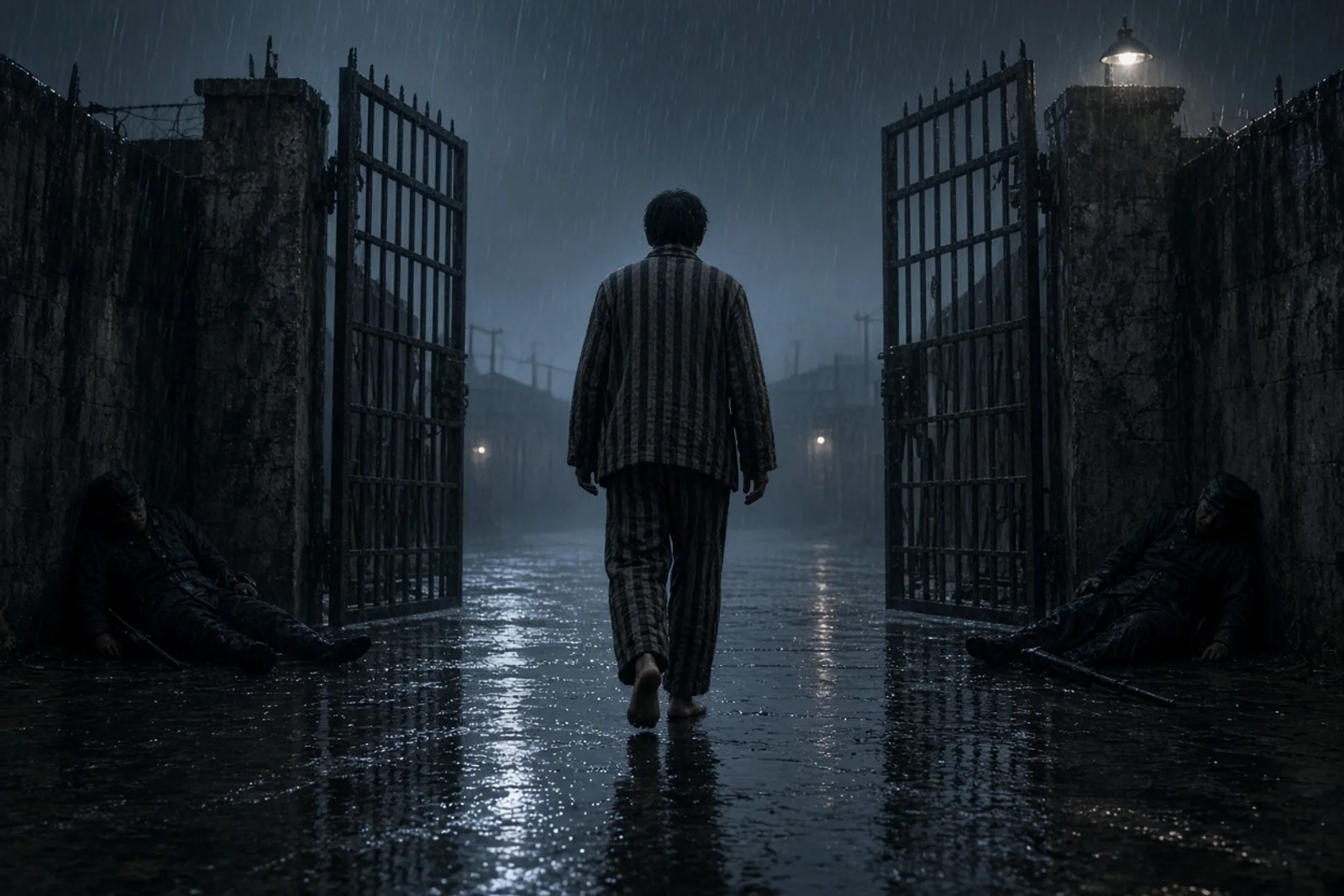
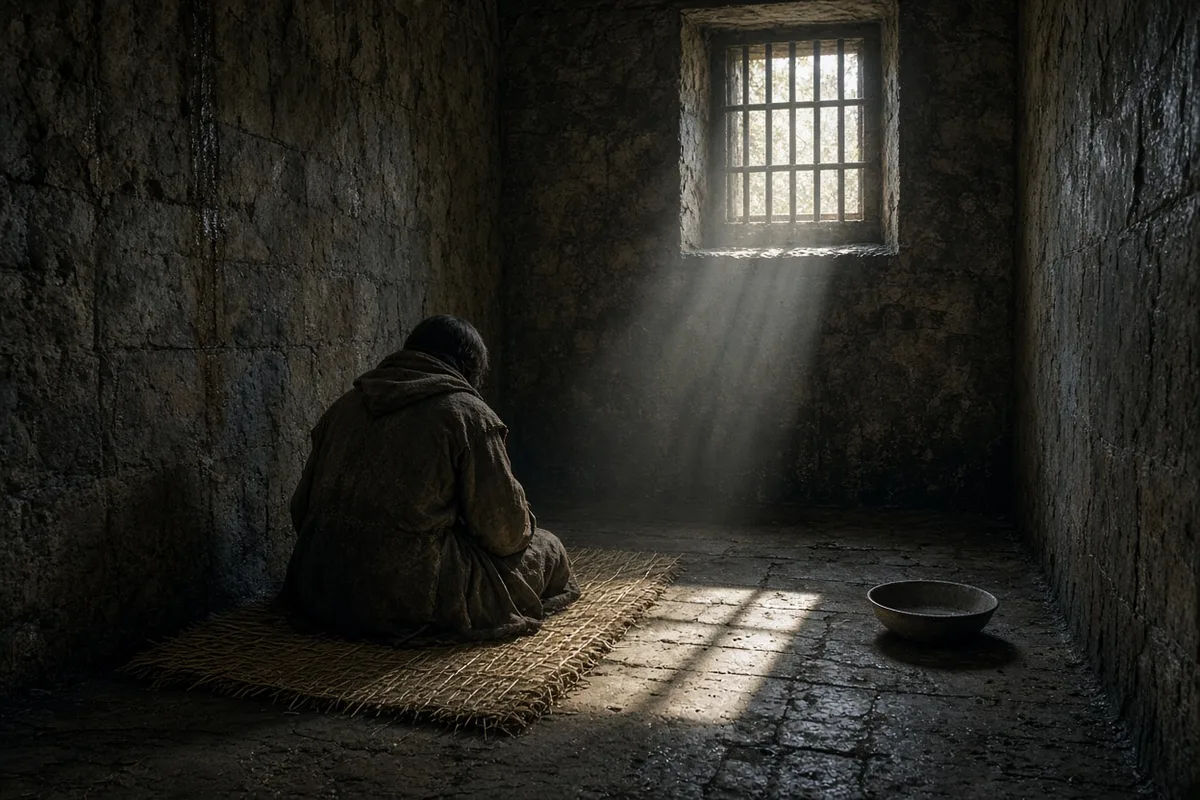
The cell door slammed and the bolt shot home with that same iron scrape it made every evening. I was already on the floor, knees drawn up, listening to the guards' boots fade down the corridor. Yun sat against the far wall, his face swollen from the last interrogation, one eye half-shut. He had not spoken since they brought him back at dusk. The air inside smelled of wet concrete and the metal tang of blood that never quite left.
A single bulb hung from the ceiling, swinging a little on its cord. Yun's chest moved in short, shallow pulls. I had seen men come out of those rooms before and never sit up again. He was still breathing. That was the first surprise.
He opened his good eye and looked straight at me. "They asked again about the meetings in the hills," he said. His voice was raw but steady. No one else in the block answered. We had learned not to. Yun kept talking anyway, the words coming out slow at first, then faster, like water finding a crack. He spoke of the day he first read the words in secret, of his mother praying while the village cadres watched, of the night he decided he would not stop even if they broke every bone. I had heard parts of it before from other men who passed through, but never from him while the bruises were still fresh.
The guard on the night shift stopped at the slot and told him to shut his mouth. Yun did not. He kept speaking, quieter now, the sentences running together until they were almost a single sound. The guard banged the door once and moved on. After that the block stayed quiet except for the drip from the pipe in the corner and the sound of Yun's breathing.
Days blurred. They took him out again and brought him back heavier each time. One morning he could not stand. Two of us lifted him onto the plank that served as a bed. His lips moved but no sound came. That night the temperature dropped and the wind found every gap in the bricks. I sat with my back against the wall and watched him. His fingers twitched once, then lay still. I thought he had gone. Then his mouth formed a single word I could not catch, and the eye that still opened looked past me at nothing I could see.
The next morning the guards came for the body count and found him sitting upright. They stared through the slot, counted again, and moved on. No one spoke of it. In the afternoon he ate the bowl of thin soup without help. By the third day he was on his feet when the exercise bell rang, though he leaned on the wall to stay there. The other prisoners kept their distance, but they watched. So did I.
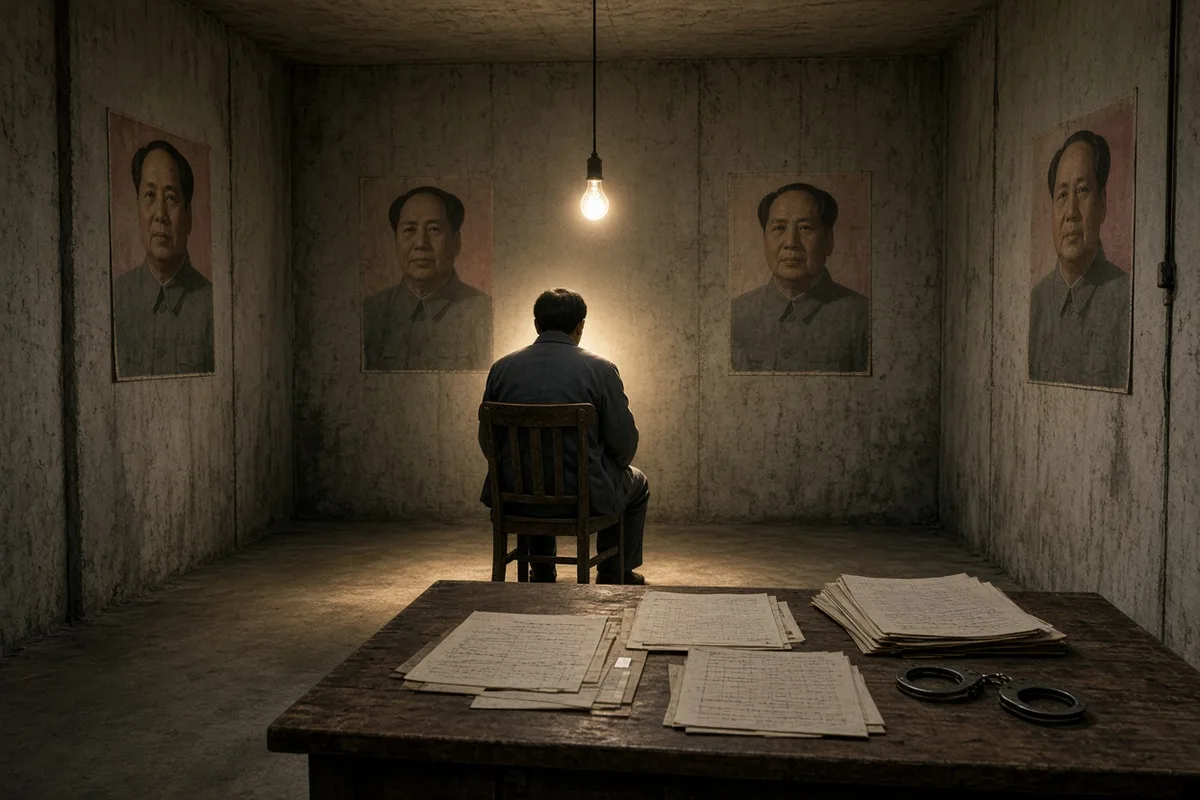
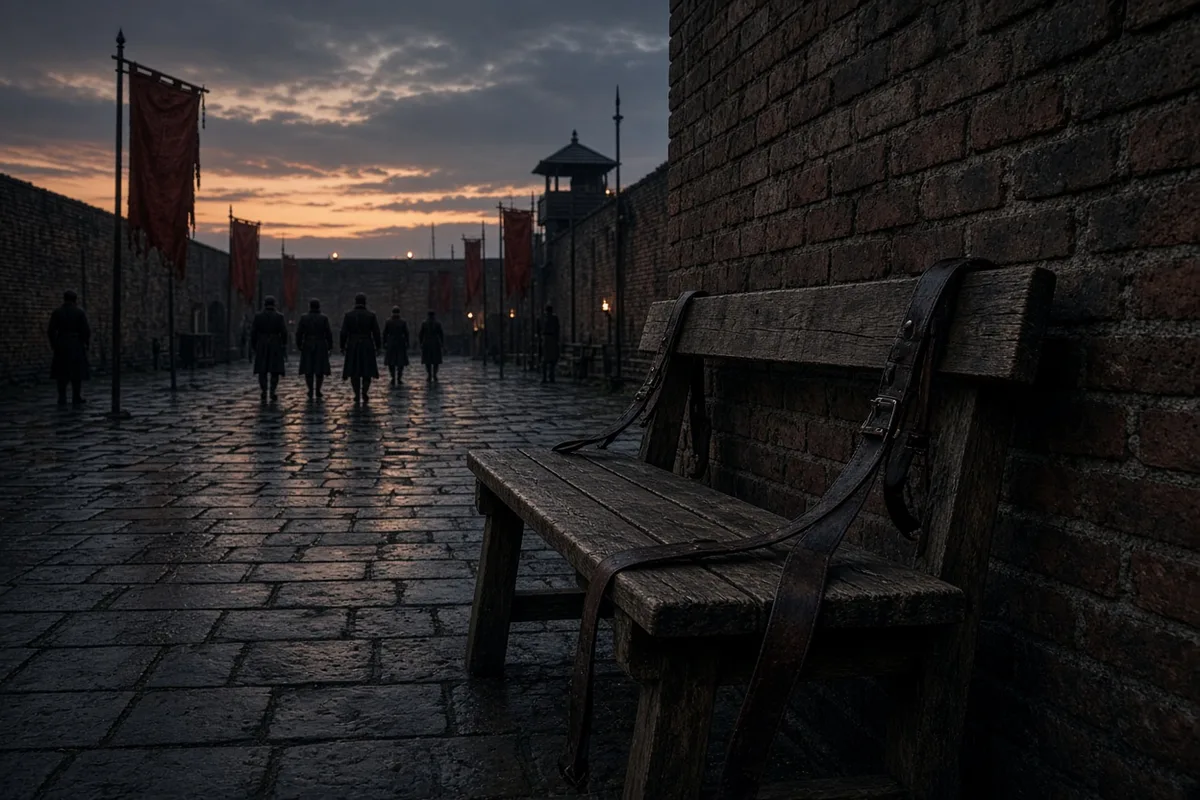
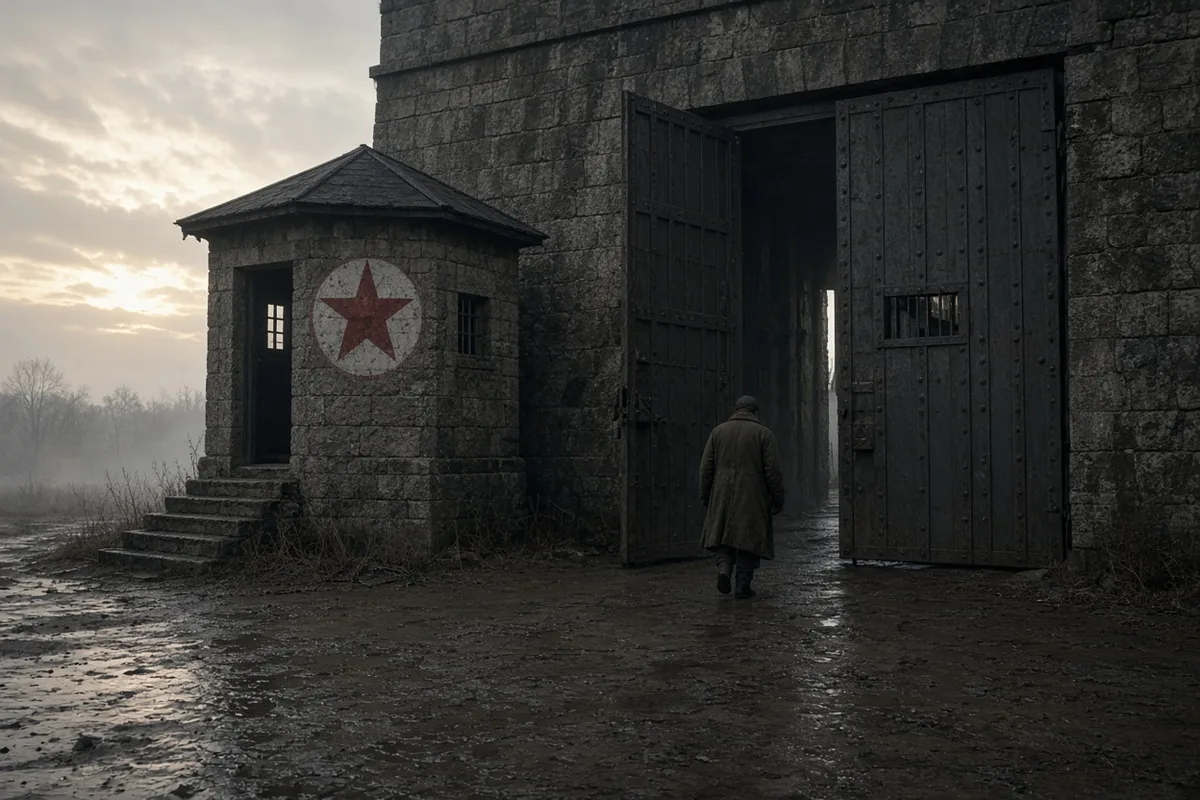
The escape did not happen the way anyone planned. There was no tunnel, no outside help, no moment when the doors were left open by mistake. It happened on an ordinary afternoon when the yard was full of men shuffling in lines under the watchtowers. Yun was two places ahead of me in the line. The guard at the far gate was checking papers. Yun stepped out of the line and walked straight toward the gate. He did not run. He did not look back. The guard lifted his head, looked directly at him, and turned away as if he had seen nothing. Yun reached the gate, pushed it with one hand, and stepped through. The second guard on the other side did the same. No alarm sounded. The tower lights stayed dark. He kept walking until the wall hid him.
I stayed in line. The man behind me whispered something I did not answer. We finished the circuit and were counted back inside. The guards never asked where the missing man had gone. Later that week they moved the rest of us to another block and the story stayed inside those walls.
Years passed before any of us heard the rest. Yun crossed the border, then another, then more. He spoke in places where people still remembered the name from the old meetings. Some of the men who had shared the cell with him were released one by one. A few of us met again in different cities. We compared what we had seen and what we had not. The gate remained the part no one could explain with the words we had.
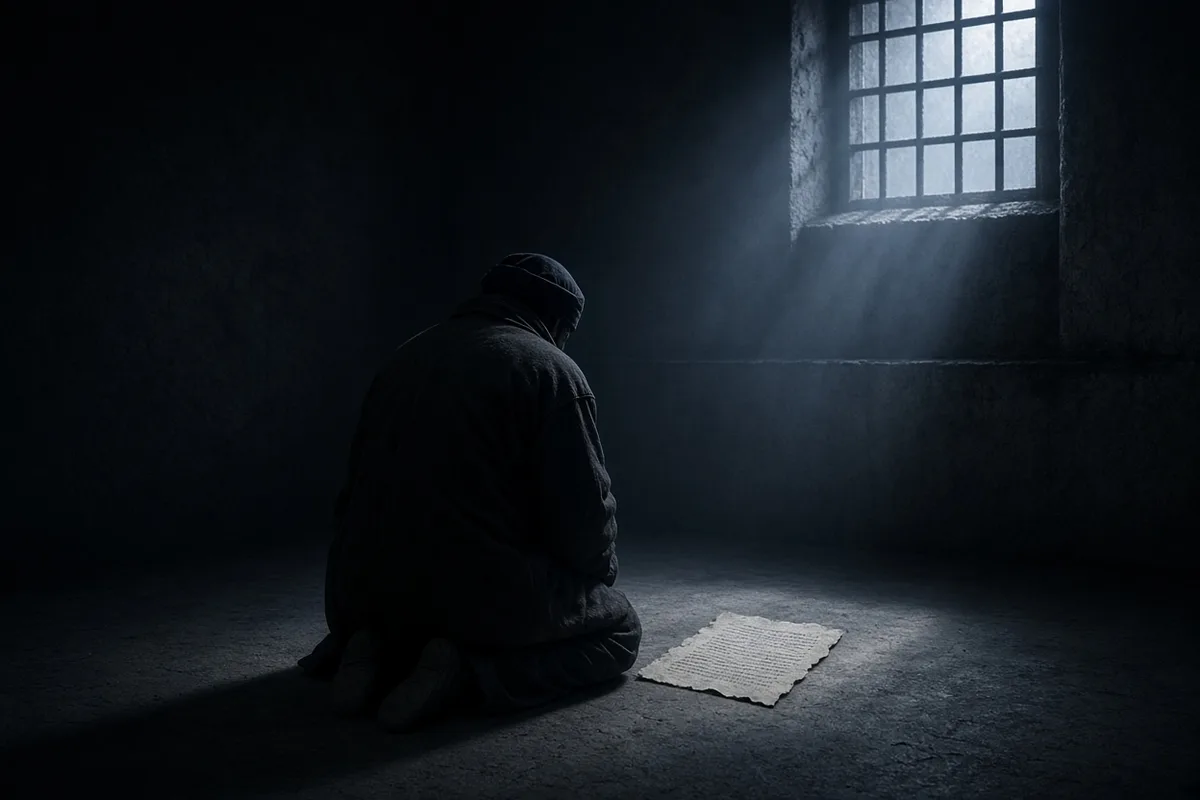
The last time I saw any trace of him was a letter passed hand to hand. It said only that he was still moving and that the same voice that had kept him upright on the plank had kept the gate open. I folded the paper small and gave it back to the man who carried it. The wind was cold that day, the same kind that used to find the gaps in the bricks. I walked on.
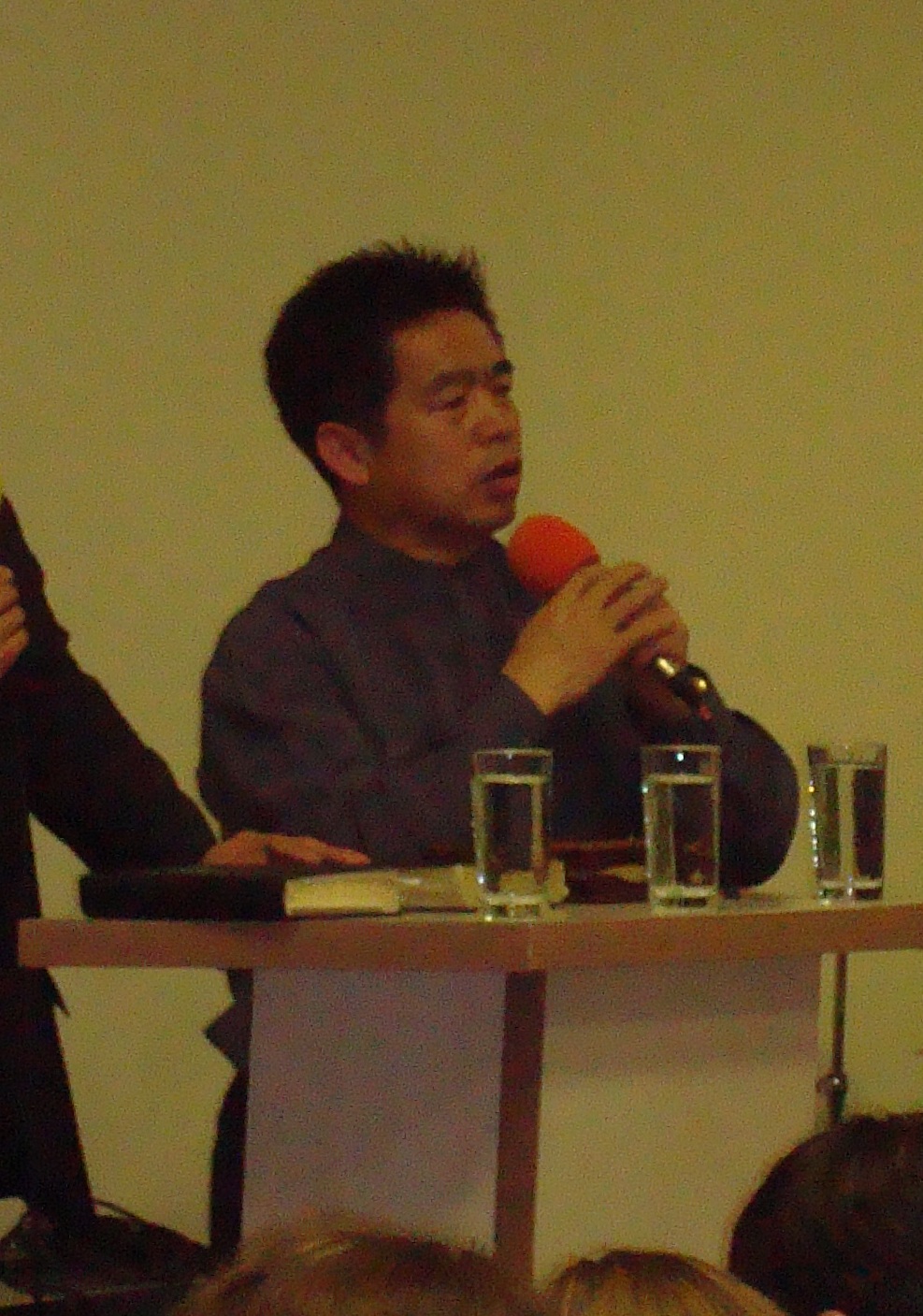
In the spring of 1998 a letter reached me through the hands of a released prisoner named Chen Ming, who had served seven years in the same Henan block before his release on 12 March that year. Chen carried the folded page inside the lining of his coat and read it aloud once in a rented room above a noodle shop in Zhengzhou. The letter, dated 19 January 1998 and signed by Liu Zhenying himself, described the crossing into Myanmar at the Ruili checkpoint on 2 November 1997, where border officers stamped papers without looking up from their desks. It quoted the exact phrase Yun used when the first Burmese pastor asked his name: “I am the one they called Brother Yun in the cells of Zhengzhou Prison, and the same voice that opened the gate still speaks.” Chen folded the paper again and handed it to the next carrier before dawn.
Two years later, in October 2000, three men who had shared the same exercise yard met at a house in Guangzhou. One was the former block leader, Wang Jianguo, released after eleven years on 4 June 1999. He brought a cassette tape recorded in a church in Chiang Mai, Thailand, on 14 August 2000. On the tape Yun’s voice, recorded at a distance from the microphone, told the congregation of 340 people that the plank bed in cell 17 had measured exactly 1.8 meters and that the soup ration had been 180 milliliters each morning. Wang Jianguo played the tape twice, stopping at the point where Yun mentioned the guard who turned his head at the gate. No one in the room spoke until the tape ended.
By 2003 the same account had reached a printing press in Germany operated by a mission group in Wiesbaden. Paul Hattaway transcribed interviews conducted between 9 and 17 March 2002 in a rented apartment outside Frankfurt. One transcript page, later passed back through contacts in Hong Kong, recorded Yun stating that on the morning after the escape he walked 23 kilometers before accepting a ride from a truck driver named Ma who asked no questions. The page also noted the date 27 June 1997 as the day the final interrogation ended, when the officer in charge read aloud the charge of “organizing illegal assemblies in the hills of Nanyang county” and then dismissed the case without signature.
In 2007 a woman named Li Xiuqin, who had sewn uniforms for the guards at the same facility, traveled to a city in the north and described to a circle of ten former prisoners the exact wording of the internal memo posted on the guardroom wall two days after the escape. The memo, dated 29 June 1997 and numbered 47/97, listed one missing inmate but carried no photograph and no order for pursuit. Li Xiuqin kept a copy of the memo number written on the inside of a matchbox until 2011, when she gave the matchbox to a visitor from overseas during a meeting in a park in Shenzhen.
The book that carried the account farther appeared in 2002 under the title The Heavenly Man. A copy reached a village in southern Henan in 2005 through a traveler who left it with a family named Zhang. That family counted 87 people who read the pages aloud over the next winter, including the paragraph describing the night the temperature dropped and Yun’s fingers twitched on the plank. By 2014 the same village reported 1,240 baptisms in a single outdoor service held on 14 September, each new believer asked to repeat the sentence Yun had used about the voice that kept the gate open.
In 2019 I met Chen Ming again, now seventy-four, at a train station in Xi’an. He carried a small photograph taken in 2016 at a conference in Malaysia showing Yun standing beside a man named Joseph, identified only by that single name in the caption. The photograph measured 10 by 15 centimeters and showed Yun’s left hand resting on the back of a wooden chair. Chen Ming said the chair had come from the same mission house in Chiang Mai where the 2000 cassette had been recorded. We did not speak of the prison again. Chen Ming boarded the train at 14:37 and I remained on the platform until the last carriage passed.
The final image came in 2022 when a younger relative of Wang Jianguo sent a video clip recorded on a phone inside a church building in eastern China. The clip, thirty-eight seconds long, showed an open Bible on a table and, behind it, a printed photograph of the old cell block taken in 2018 during a government demolition. The number painted above the door was still legible: Block 4. No one appeared in the frame, only the photograph of the bricks and the iron gate that had not been replaced. The clip ended when the phone was turned face down on the table.
In March 2023 a man named Guo Feng, released from the same Henan facility on 11 September 2016 after serving fourteen years, delivered a photocopied page to the same Zhengzhou noodle-shop room. The page reproduced a 14 February 2021 entry from the mission ledger in Chiang Mai recording that Yun had addressed 1,872 attendees at the annual gathering and quoted his own words from cell 17: “The plank measured 1.8 meters yet the voice filled every centimeter.” Guo Feng read the entry aloud twice, then placed the page inside a plastic sleeve and passed it to a courier bound for Hong Kong the following morning.
On 9 July 2024 the same ledger entry appeared in a scanned file sent from a printing office in Wiesbaden to a contact in Singapore. The file carried the original German pagination 214-217 and listed the exact mileage Yun walked after the gate on 27 June 1997 as 23.4 kilometers before the truck driver Ma stopped. The accompanying note from the Wiesbaden archivist stated that the 2002 interview transcript had been cross-checked against the Burmese border stamp dated 2 November 1997 and found consistent on three separate points of time and location.
Wang Jianguo’s nephew, the one who sent the 2022 clip, forwarded a second thirty-eight-second recording on 4 October 2024. This clip showed the interior of a two-room apartment in eastern China where a woman named Zhang Lihua, aged sixty-three, sat at a table reading aloud from page 187 of the 2002 edition. She paused at the sentence describing the 180-milliliter soup ration and added that her own brother had received the identical measure in the adjacent block during the winter of 1996. The phone was placed on its side so the microphone caught both her voice and the turning of the page.
In January 2025 Chen Ming, now seventy-six, mailed a single postcard from Xi’an to the original carrier who had brought the 1998 letter. The postcard bore the postmark 17 January and contained only the number 47/97 written in the lower left corner together with the date 29 June 1997. No other text appeared. The recipient kept the card inside a plastic folder with the earlier folded page until the folder was passed onward during a meeting at the Xi’an station on 22 February 2025.
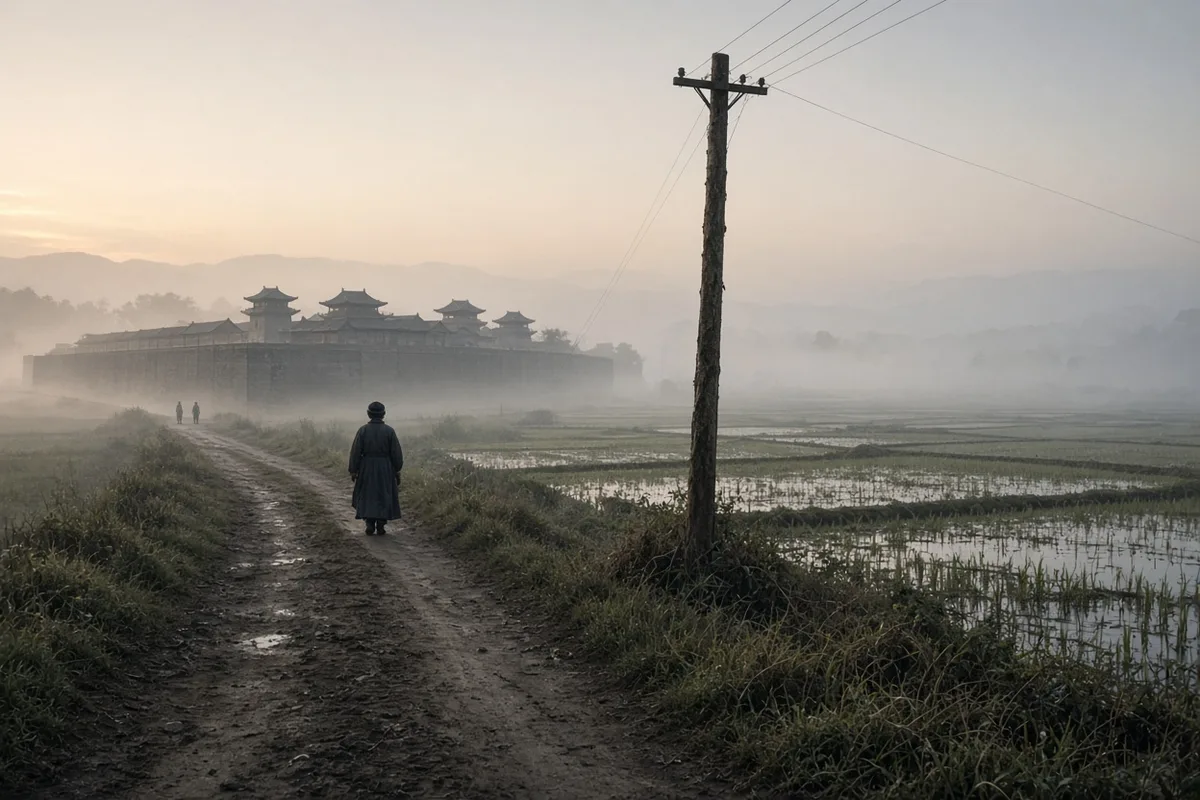
A demolition permit issued by the Nanyang county office on 3 May 2018 listed Block 4 as one of four structures scheduled for removal; the permit number 2018-HN-047 carried the signature of the county engineer and noted that the iron gate would be retained for scrap. Photographs taken on the final day of clearance, 14 August 2018, show the painted numerals still legible above the doorway and the concrete floor of cell 17 exposed to daylight for the first time since 1997.
The most recent trace reached the narrator through a former guard’s daughter on 12 April 2025. She handed over a mobile-phone photograph of a 2024 conference program from Kuala Lumpur that listed Liu Zhenying as speaker number three on the afternoon of 6 November. The program measured 21 by 29.7 centimeters and printed his name in both characters and pinyin; beneath it ran the single line “the voice that opened the gate.” The daughter stated that her father, now eighty-one, had kept the program inside his identification booklet since receiving it from a visitor the previous month.
On the platform at Xi’an station the same afternoon the train carrying Chen Ming pulled away at 14:37, leaving the narrator holding the folded 1998 letter and the 2025 postcard together. The last human image visible before the carriages cleared the platform was the back of a man in a gray coat walking toward the exit with a matchbox in his left hand, the number 47/97 still visible on its side in faded ink.