


McDonald’s AI tool suggests varying Big Mac prices by location
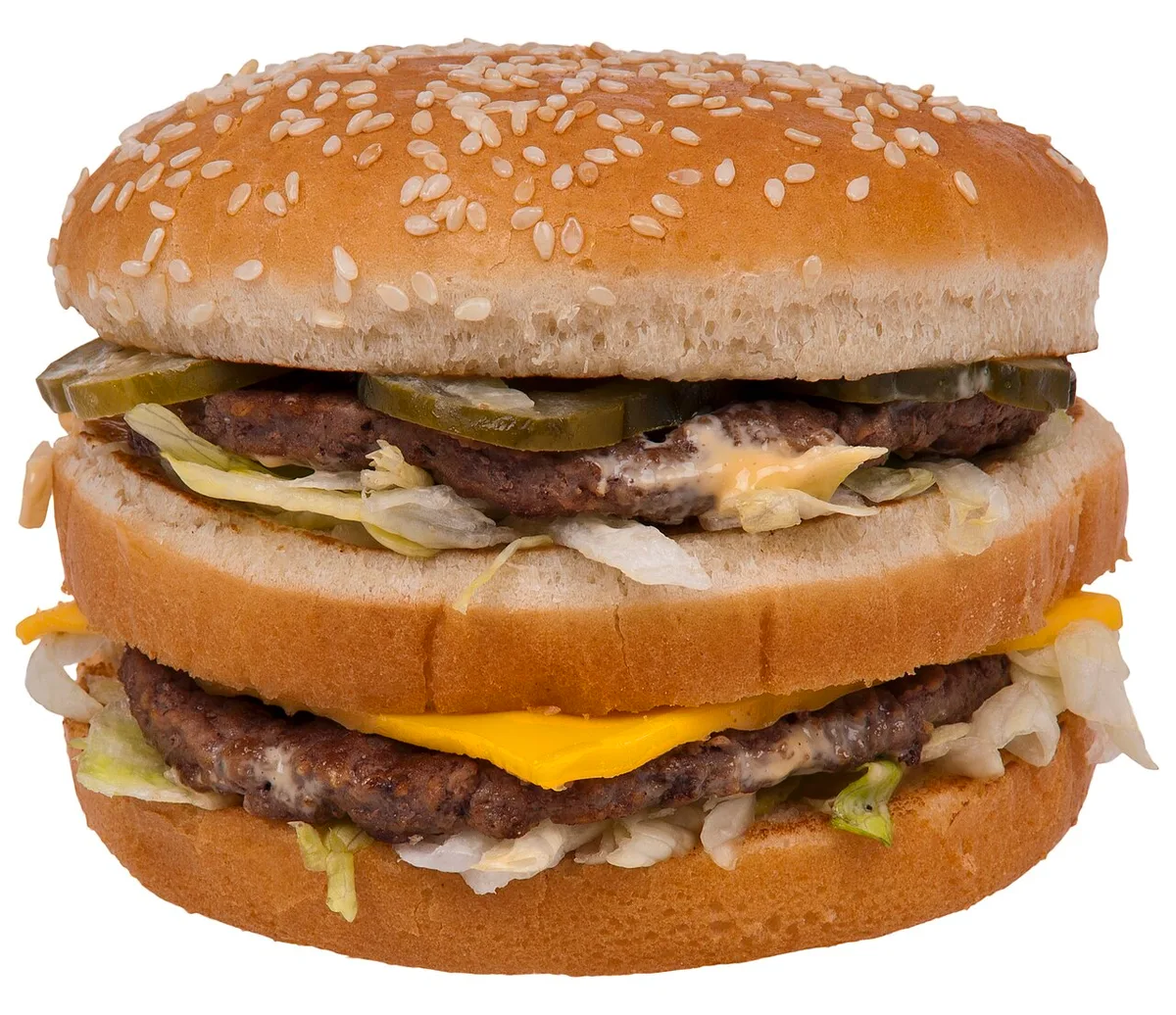
Two corporate-owned McDonald’s restaurants in Fresno, California, stood two miles apart. Reuters checked the price of a Big Mac at each through the company app. One charged $5.69. The other charged $6.89. That is a 21 percent difference.
The stores shared a city. Both belonged to the corporation, not to separate franchisees writing independent numbers. The lower price and the higher price appeared on the official app for the identical sandwich under the same arches. Reuters also reviewed screenshots of the pricing-tool interface shown to operators. The screens carried the message “MEDIUM SENSITIVITY to Price,” the label that marked how a restaurant’s customers were expected to respond when the figure on the menu moved. In Fresno the result sat in plain currency: more than a dollar separating one Big Mac from another a short drive away. The same burger, two miles, and a gap the app made public.
An AI pricing tool run by Tiger Analytics is used across roughly 14,000 U.S. McDonald’s restaurants. McDonald’s has used some version of algorithmic pricing technology since at least 2019. Algorithmic pricing is software that calculates recommended menu prices from local conditions rather than a single national list. The Tiger Analytics portal generates those restaurant-specific figures, and the company sends the guidance to franchisees at least three times a year.
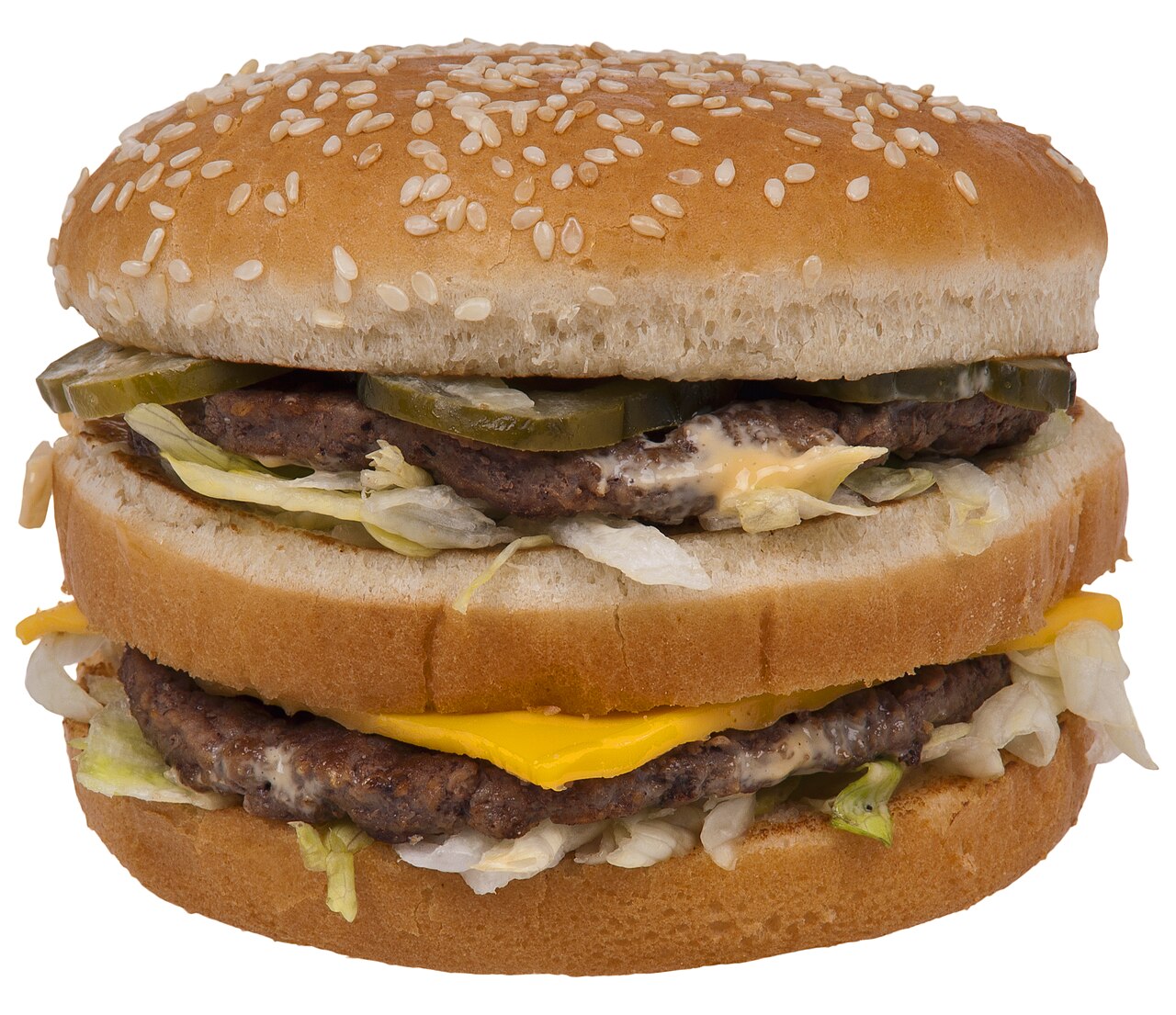
In January, McDonald’s began requiring franchisees to be “constructively engaging with McDonald’s approved Pricing Consultant and Tools.” The language placed the approved consultants and the AI tools inside the formal business standards that govern how owners operate.
The prices left the recommended figures, and the calls from corporate followed. Store owners who had stepped away from the guidance described the conversations that came afterward. Five of them told Reuters they felt pressured to use the AI pricing tools the company was pushing.
“You don’t really have much of a choice [about pricing] anymore,” said Karen King, a former McDonald’s store owner.

McDonald’s holds that franchisees remain free to set their own prices. The owners who spoke to Reuters lived a tighter version of that rule. Corporate tracked which restaurants stayed with the guidance and which left it. When prices drifted, the company reached out. Behind those conversations sat the company’s power over whether an owner could renew a license or open another location. The right to set a different number still existed on paper. Exercising it meant answering for the choice.
Chris Kempczinski addressed the point on the Aug. 4 earnings call. The McDonald’s chief executive described how the company frames the numbers it sends out and what happens when franchisees sit for review.
“When we launch something like the EDAP [Every Day Affordable Price] menu … we provide recommended guidance to our franchisees. So we’re quite clear in terms of what we believe is the right pricing execution,” Kempczinski said. He then linked that guidance to the reviews that shape an owner’s future. “As we’re now doing our business reviews with franchisees, which affects things like growth and eligibility from a franchisee standpoint, pricing and pricing non-compliance in certain cases is part of those conversations.”

How high one of those recommended prices has already been set appears in a franchisee’s court filing. “By January 31, 2023, Deloitte had recommended to Michell that he price his Big Mac combo meal at the Darien turnpike restaurant above $18.00,” George Michell’s lawsuit states. The usual Big Mac combo meal price is about $10.19, according to the McDonald’s website. The recommendation that reached Michell’s Connecticut turnpike location by that January date sat more than seven dollars above the ordinary figure.
The pricing-portal terms of service warn users that they “may be competitors of each other” and that “it is particularly important for all Users of the Tool to understand and comply fully with antitrust and competition laws.” Former FCC commissioner William Kovacic called that language “an acknowledgment there’s a potential problem.” The same portal that delivers the restaurant-specific price recommendations also carries the written caution that the people opening it may stand as competitors under the law.
McDonald’s answered the Reuters account by calling the reporting “speculative and uninformed.” The company described the system in the same statement as “a tool, not a mandate, designed to provide restaurant-specific recommendations to help franchisees deliver value for customers and make informed business decisions.”
The second-quarter numbers from U.S. restaurants moved in two directions at once. Guest counts fell. Sales still rose 0.8 percent because customers spent more per order. That 0.8 percent marked the chain’s slowest growth since 2025. Other large menus were already running parallel software. Yum! Brands, which owns KFC and Taco Bell and previously owned Pizza Hut, stated in its July 30 second-quarter earnings release that its Byte platform lets restaurants manage menus, pricing and promotions with AI.