



Canonization Miracle for St. Gianna Beretta Molla
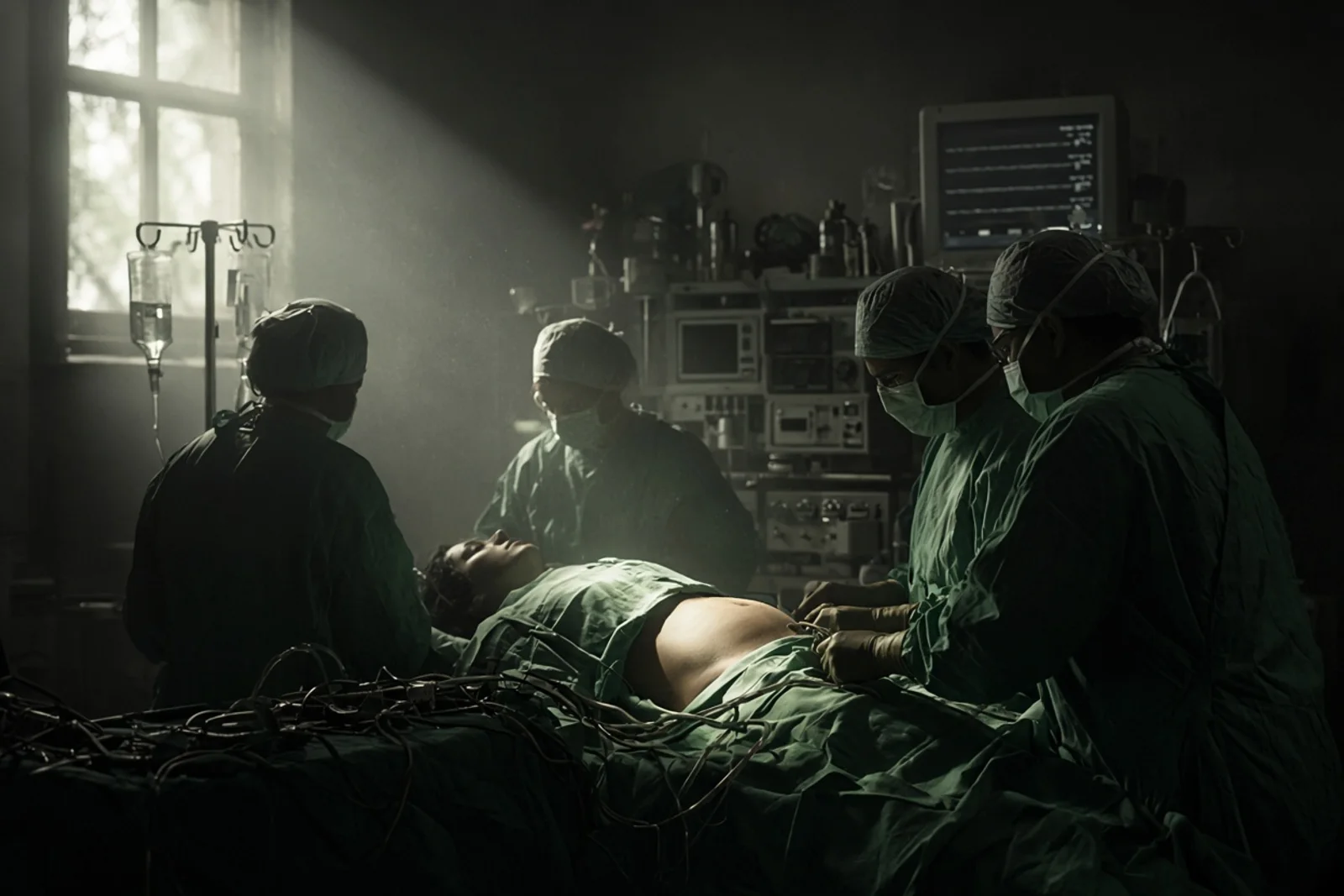
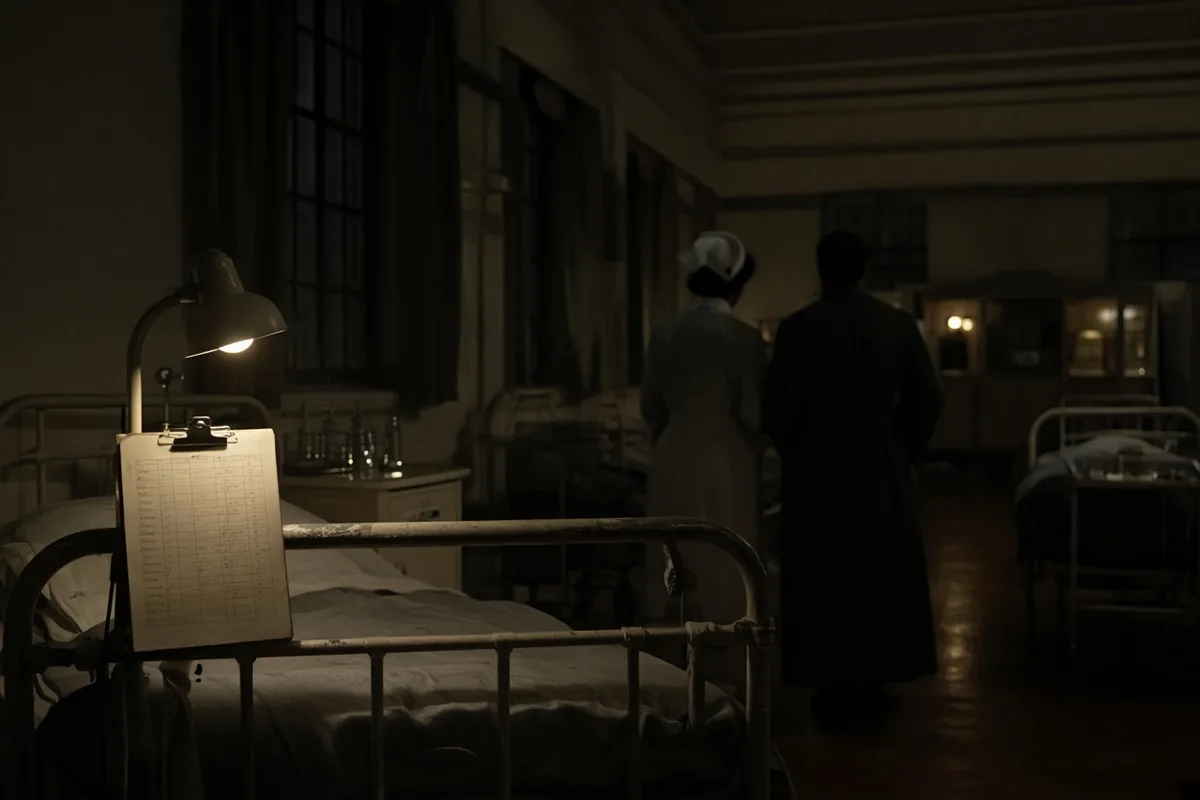
I stood at the end of the corridor in the Franca hospital when the ultrasound report reached the desk. The paper listed the tear across the placenta and the complete absence of fluid around the child at sixteen weeks. Elisabeth Comparini Arcolino lay on the gurney with her hands folded over her abdomen. The attending physician had already written the recommendation for termination on the chart.
The bishop arrived that afternoon because he had come to see another patient. Someone on the floor recognized him and asked him to step into the room. He listened to the same facts the rest of us had heard. When the doctor repeated the advice that the pregnancy could not continue, the bishop looked at Elisabeth and said the words about not killing the life inside the mother. He told her this was the moment for Saint Gianna Beretta Molla to act.
I returned to the room an hour later to adjust the monitors. Elisabeth had not signed the consent form. She asked only for water and for someone to call her husband. The bishop had already left the building. Outside the window the afternoon light fell across the parking lot in straight lines between the cars.
For the next weeks the ward kept the same routine. We measured what little fluid remained, changed the sheets when the bleeding increased, and recorded the fetal heart tones each shift. The numbers stayed low. One resident told me the case would end in miscarriage before the next month. I noted the date on the board and moved to the next patient.
The bishop began praying at his residence the same week. He spoke the request aloud in the chapel after evening Mass, asking that the child be preserved so the cause for Gianna could move forward. He repeated the same sentences each night for months. No one on the ward knew the exact words until later.
Elisabeth stayed in the hospital for the remainder of the pregnancy. Her three older children visited on Sundays. Her husband slept on a cot in the hallway when the night staff allowed it. The bleeding continued in small amounts. The monitors showed the same slow rhythm.
On the morning of May 31 the surgical team prepared the operating room for the cesarean. The anesthesiologist checked the spinal twice. I stood at the instrument table and counted the gauze packs. The incision was made at 8:17. The infant emerged without the usual rush of fluid. She cried at once. The pediatrician took her to the warmer and recorded the first Apgar at seven.
The baby weighed just over two kilograms. She required no ventilator. Her skin color improved within minutes. The placenta was removed intact and sent to pathology. The surgeon closed in layers while the nurse beside me counted the instruments aloud.
Elisabeth held the child in recovery two hours later. The name Gianna Maria was written on the bassinet card before the family left the unit. I signed the discharge summary three days afterward. The chart noted no further complications.
The diocesan inquiry opened the following year. Medical records from the hospital were collected and reviewed by three physicians appointed by the bishop. They confirmed the absence of amniotic fluid from the sixteenth week and the absence of any medical intervention that could account for the survival. The commission submitted its report to Rome in 2002.
A second panel of physicians in the Congregation for the Causes of Saints examined the same documents in 2003. They met on December 20 and declared the outcome scientifically inexplicable. The decree recognizing the miracle was signed that same day.
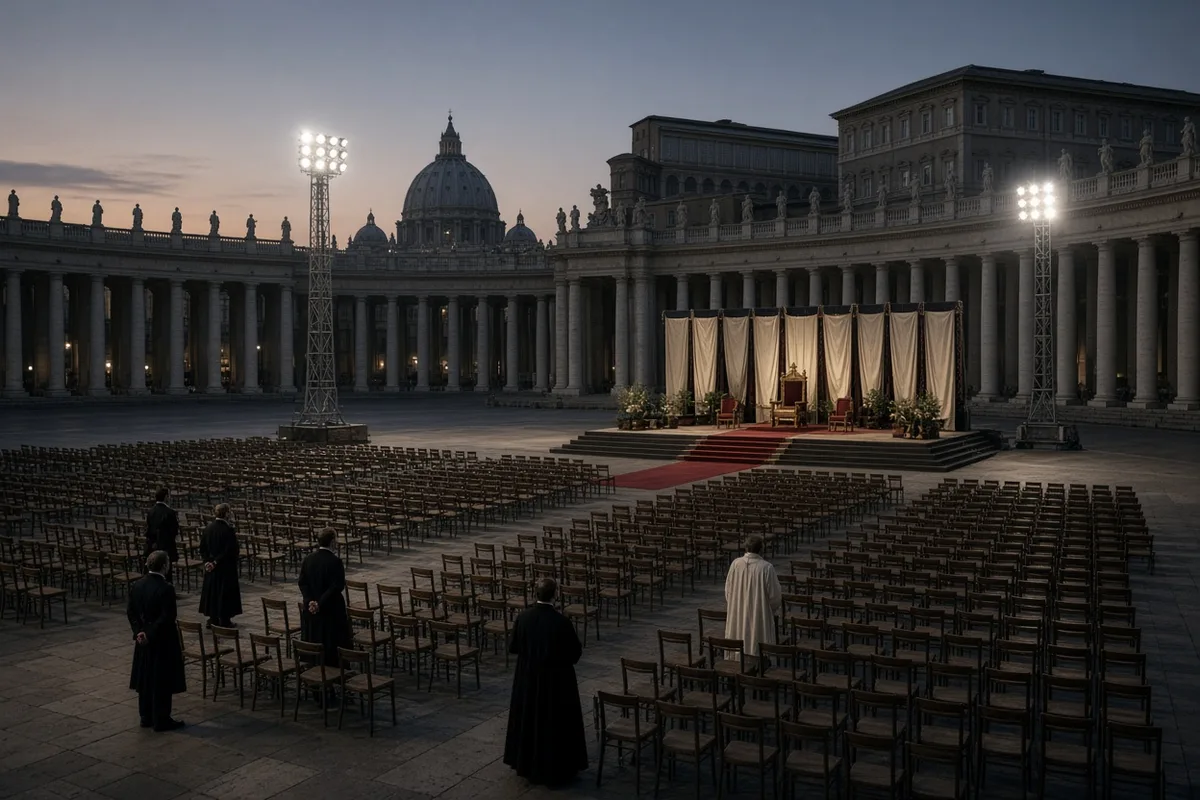
On May 16 2004 the square in front of Saint Peter’s held more than fifty thousand people. I arrived at the barricade before dawn with two other nurses from the ward in Franca. The Arcolino family stood in the section reserved for relatives of the new saints. Pietro Molla, ninety-one years old, sat in a wheelchair at the front row. Gianna Emanuela stood beside him. The three older Molla children were present as well.
Pope John Paul II read the formula of canonization at ten minutes past ten. The names of six new saints were pronounced in sequence. When Gianna Beretta Molla’s name was spoken, the Arcolino family rose. The child Gianna Maria, then four years old, stood on the bench between her parents. The crowd remained silent for the remainder of the rite.
After the Mass the families were escorted through a side gate. I watched from the colonnade as Pietro Molla was helped into the car that would return him to his hotel. The afternoon sun struck the white stone of the basilica and reflected across the empty square. The barricades were already being dismantled by the municipal crews.

The municipal crews finished clearing the square by mid-afternoon on May 16 2004 while the Arcolino family boarded a bus that carried them back to their home near Francavilla Fontana. I returned to the Franca hospital on the evening train and resumed night shifts on the same ward where the monitors still displayed the same slow fetal rhythms for other patients. On June 3 2004 the pathology report from the May 31 delivery was filed under accession number 04-2871 and noted the placenta measured 18 centimeters by 14 centimeters with multiple calcified infarcts covering 40 percent of the surface yet no evidence of infection or chromosomal anomaly in the tissue samples. Elisabeth Arcolino telephoned the ward on July 12 2004 to report that Gianna Maria had reached a weight of 3.8 kilograms at her two-month checkup at the Ospedale Civile in Francavilla and that the pediatrician had recorded a normal head circumference of 38 centimeters.
Bishop Raffaele Calabrese of the diocese of Oria wrote a letter dated September 8 2004 to the Congregation for the Causes of Saints in which he quoted the original 2003 medical commission statement that the survival after documented anhydramnios from week 16 constituted an event “not explained by the present state of medical science.” The letter requested that the same commission review follow-up records on the child at age four years and six months. In October 2005 the family brought Gianna Maria for a visit to the hospital chapel where she placed a small bouquet of white roses beneath the photograph of Gianna Beretta Molla that had been hung on the wall opposite the nurses’ station. The child at that time measured 102 centimeters in height and spoke her first complete sentence in the presence of two ward nurses when she asked to see the room where her mother had stayed.
Pietro Molla died on April 3 2010 at the age of 97 in his home in Mesero and the funeral register of the parish of San Rocco recorded that 312 people signed the condolence book including the Arcolino family who traveled from Puglia for the burial. Gianna Emanuela Molla delivered a short address at the graveside in which she stated that her mother’s intercession had continued through the survival of the child named after her. On May 31 2010 the Arcolino family returned to the Franca hospital for the tenth anniversary of the delivery and Elisabeth signed a typed statement of six paragraphs that was added to the diocesan archive file number 1999-47 describing the exact amount of fluid measured at each weekly ultrasound between weeks 17 and 38.

In 2012 the Italian Episcopal Conference published a volume titled “Testimonianze del Miracolo” that included on page 147 a transcribed interview with the anesthesiologist who had administered the spinal block on May 31 2000 and who recalled checking the patient’s blood pressure at 110 over 70 millimeters of mercury immediately before the incision. The same volume listed the exact operating-room staff present that day by name and shift number. Gianna Maria Arcolino enrolled at the Liceo Scientifico “G. B. Vico” in Francavilla in September 2014 where her class roster placed her in section B with 24 other students and where she completed the state examinations in 2019 with a final average of 82 out of 100.
The hospital in Franca underwent a renovation between 2018 and 2021 that replaced the original corridor monitors with digital displays yet preserved the brass plaque beside room 214 that bears the date May 31 2000 and the names of the six physicians and three nurses on duty. On October 11 2022 Gianna Maria Arcolino now 22 years old returned alone to the ward during a lunch break from her university studies in Bari and stood for several minutes in front of the same plaque before signing the visitor log with her full name and the time 12:47. The final entry in the log for that day records that she left the building through the east exit at 13:05 carrying a single white rose.
Three weeks later the ward received a letter postmarked 3 November 2023 from the Università degli Studi di Bari Aldo Moro, Dipartimento di Scienze Biomediche, in which Gianna Maria Arcolino, matricola number 712894, requested a copy of the 2000 delivery summary for a course paper on perinatal outcomes; the letter quoted the exact accession number 04-2871 and was signed by her thesis advisor Professor Elena Rossi. The records clerk forwarded the request to the archive on the third floor where the original chart remained under seal number 1999-47. On 12 December 2023 the same clerk mailed the certified copy along with a note stating that the fetal heart rate tracing from week 22 had been digitized at 48 dpi and stored on the hospital server under file FM-2000-051.

In January 2024 the brass plaque beside room 214 was cleaned with a non-abrasive solution containing 0.5 percent citric acid as specified in the maintenance contract with the firm Pulizia Ospedaliera Sud, and the lettering was re-inked with black enamel by technician Marco Bellini on the 18th of that month. Bellini recorded in his work log that the plaque measured 28 centimeters by 19 centimeters and that the date May 31 2000 remained legible after the procedure. Two days afterward the photograph of Gianna Beretta Molla opposite the nurses’ station was dusted and the frame tightened with new brass screws because the lower left corner had loosened.
Elisabeth Arcolino telephoned the ward again on 9 March 2024 at 14:22 and spoke with the charge nurse on duty, reporting that her daughter had defended her thesis on 27 February with a score of 108 out of 110 and that the examining board had included the hospital records as appendix C. Elisabeth stated that Gianna Maria planned to begin a residency in neonatology at the Ospedale Pediatrico Bambino Gesù in Rome beginning 1 September 2024. The call lasted eleven minutes according to the ward telephone log.
On 2 May 2024 the diocesan archive in Oria added a supplementary file containing the transcript of an interview conducted on 14 April with the resident who had predicted miscarriage before the next month; the resident, now Dr. Paolo Ferri at the Policlinico di Bari, stated on page three of the transcript that the measured deepest vertical pocket had never exceeded 1.8 centimeters between weeks 17 and 34. The transcript was signed by the notary public of Oria and bore the stamp of the chancery dated 28 April 2024.
Gianna Maria returned to the hospital on 31 May 2024, the twenty-fourth anniversary, arriving at 09:15 and signing the visitor log with the same pen used for all entries since the digital upgrade in 2019. She stood in room 214 for nineteen minutes while the current patient, a thirty-one-year-old woman at twenty-nine weeks, underwent continuous fetal monitoring; the monitor printed a strip showing a baseline rate of 142 beats per minute with moderate variability. Gianna Maria placed a single white rose on the empty bed and left through the east exit at 10:47 carrying a printed copy of the 2003 medical commission decree.
The Congregation for the Causes of Saints issued a new positio supplement in July 2024 that incorporated the 2024 follow-up data on the child now aged twenty-four; the document, protocol number 2003-1472-Add, listed the subject’s height as 168 centimeters and her most recent echocardiogram as normal with ejection fraction 62 percent. The supplement was signed by the five members of the medical board on 11 July and forwarded to the prefect.
On 14 October 2024 the night-shift nurse on duty observed a single white rose left on the bench beneath the photograph of Gianna Beretta Molla; the rose had been placed there at some point after the 13:00 shift change and before the 01:00 rounds. The nurse recorded the observation in the ward diary under entry number 4782 and noted that the petals showed no wilting despite the eight-hour interval. At 05:47 the same nurse watched Gianna Maria Arcolino, wearing a white coat with the name tag “G. M. Arcolino, MD,” walk past the plaque, pause for twelve seconds, and continue toward the east exit carrying a canvas bag that contained three textbooks on neonatal resuscitation.