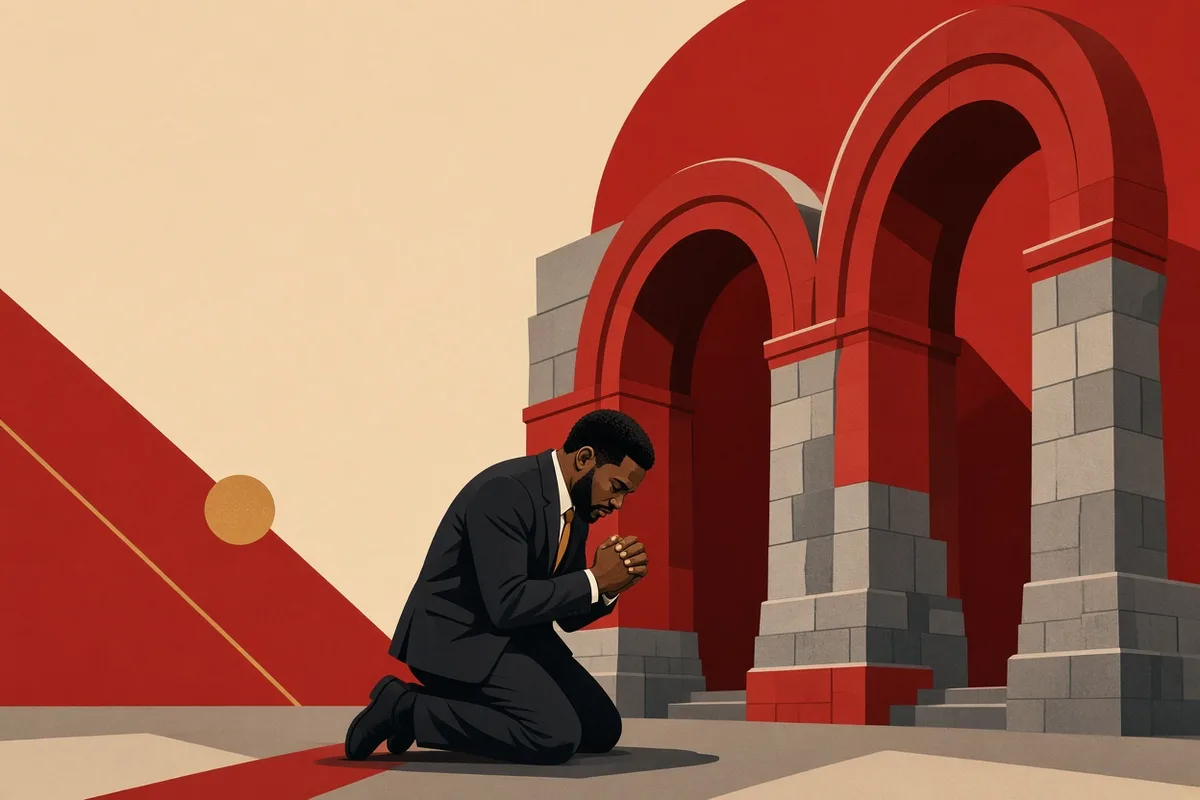



Canonization Miracle for St. Jose Luis Sanchez del Rio
The monitors had gone flat in their rhythm again when Paulina stepped out into the corridor and asked me to stay with the child. The room smelled of disinfectant and the plastic tubing that ran into Ximena’s arms. Outside the window the lights of Aguascalientes stretched in long rows toward the dark line of the hills. I kept one hand on the rail of the crib and watched the numbers on the screen climb and drop without pattern.
Paulina had carried the girl back from Los Angeles only a month after the birth, already weak from the problems that began in the seventh month. In Sahuayo the fever started on the first night they stayed with her parents. The local doctor sent them to Santa María Hospital for X-rays. The films showed nothing that explained the temperature that would not break. They drove north to Aguascalientes the next week.
I met them at the second hospital. Dr. Rosendo Sánchez ordered the admission himself. He listened to the chest and said the right lung held fluid that needed to come out. The operation was set for the following morning. Before they wheeled the crib away, Paulina asked the priest who had baptized the child to come and say the prayers again in the room.
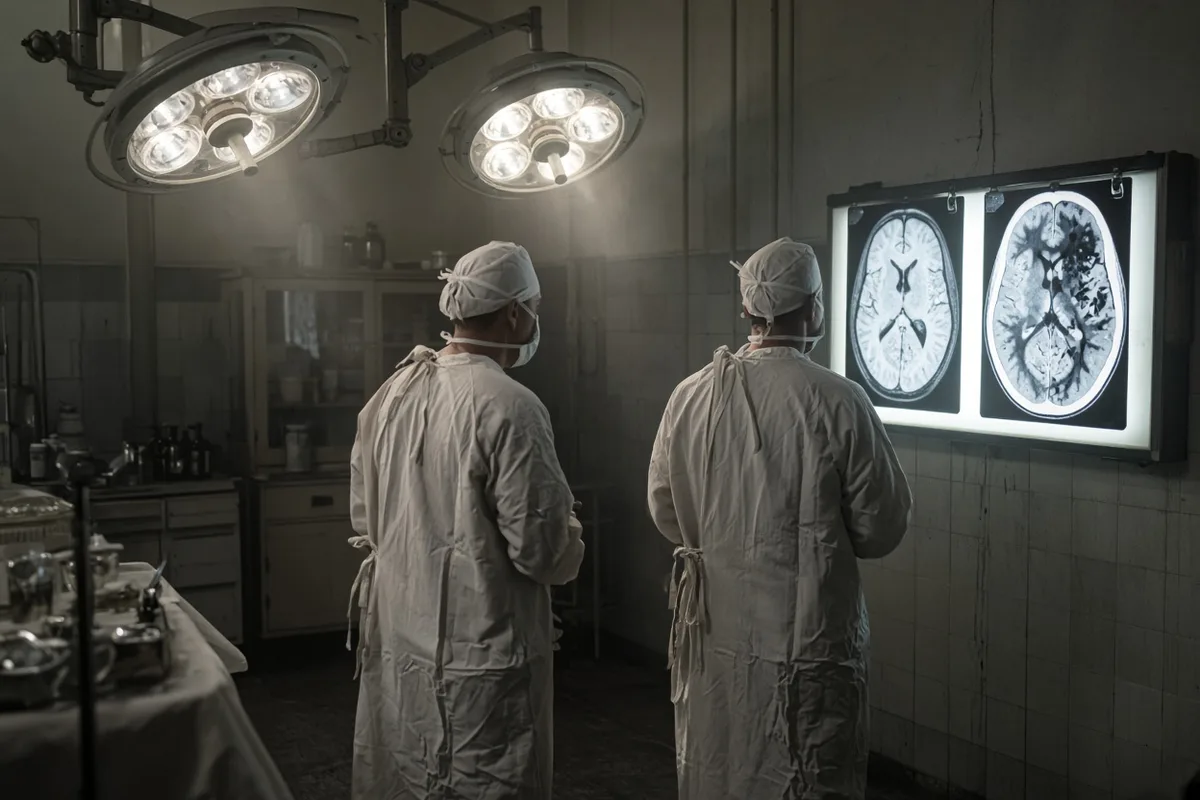
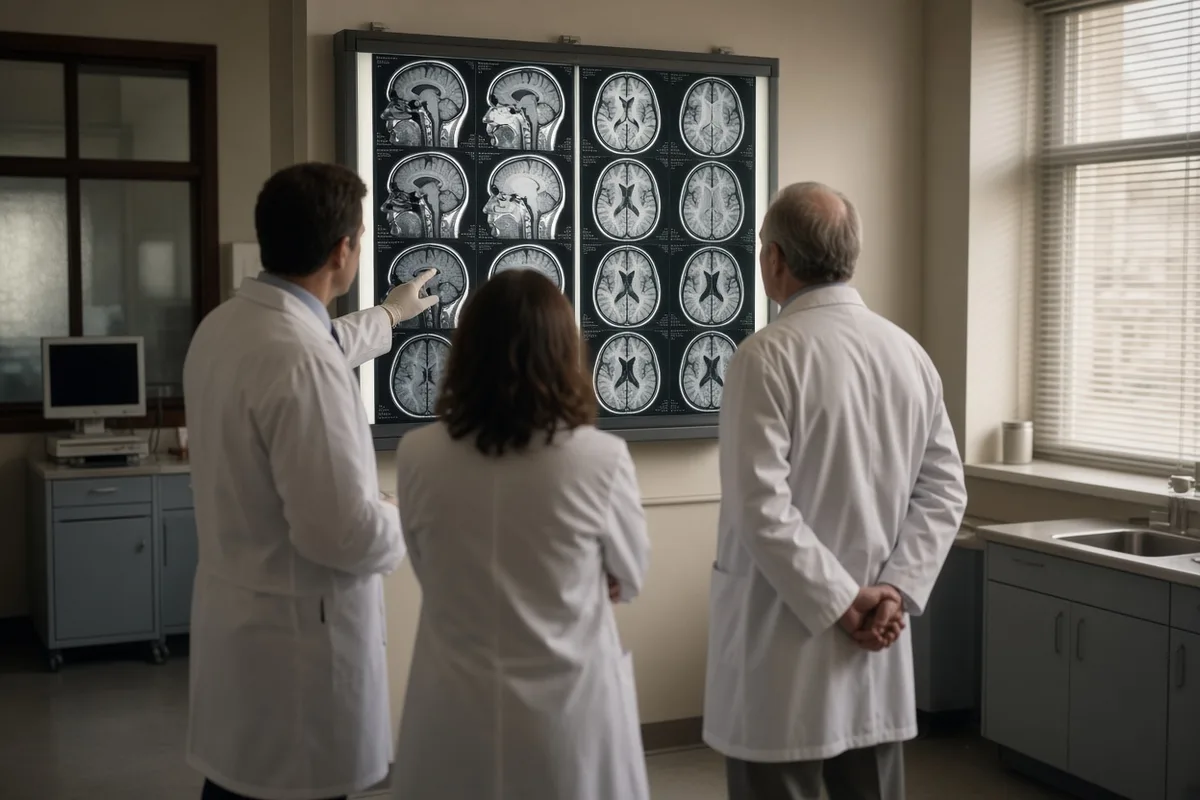
The surgery lasted three hours. When they brought her back the face was the same gray color as the sheet. A day later the lab work returned the word tuberculosis. They began the medicines that same afternoon. On the third evening the right side of the body went still. Dr. Rosendo came in at midnight and said the scan showed a stroke and that ninety percent of the brain tissue no longer responded. He spoke quietly and did not look at the monitors while he talked.
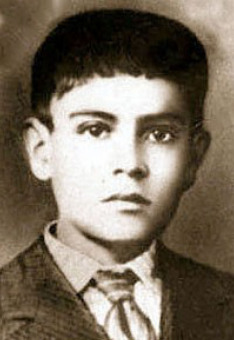
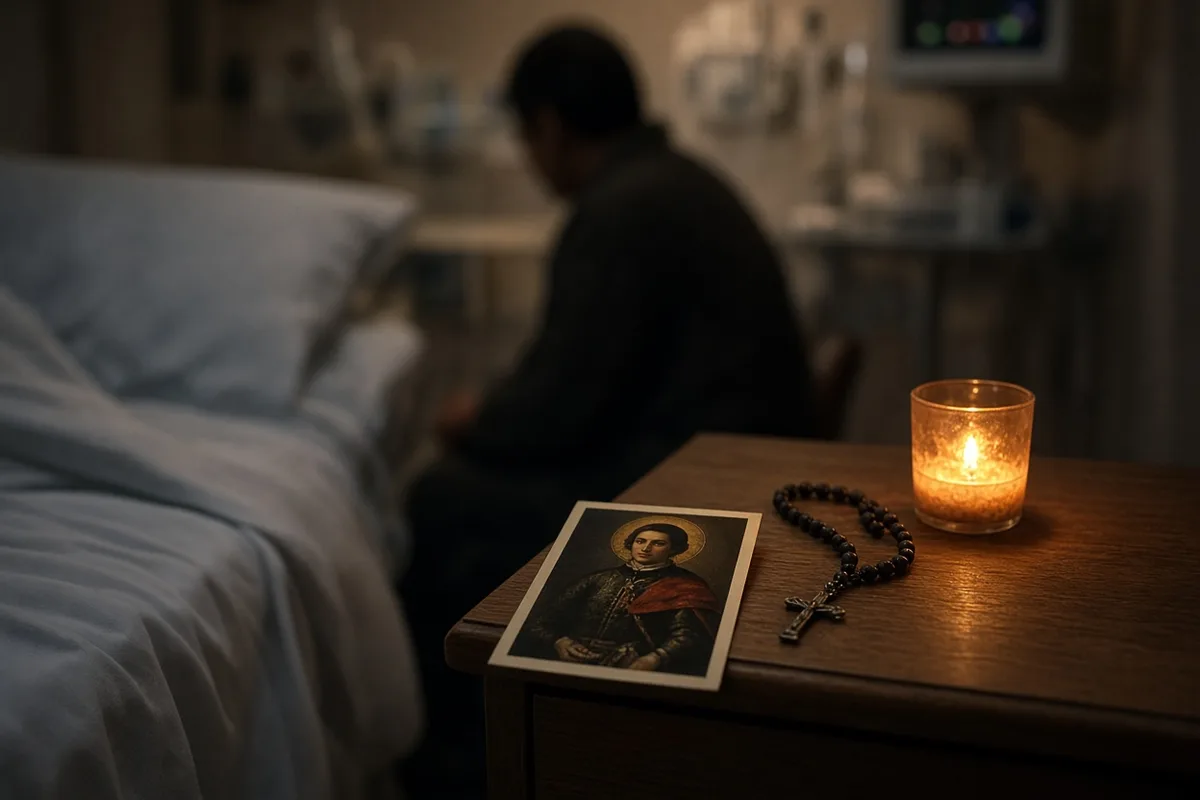
Paulina stayed in the chair beside the crib. She had brought a small framed picture of José Luis Sánchez del Río from Sahuayo, the one that hangs in the sacristy of the parish church there. She set it on the table under the lamp. Every few hours she asked one of the nurses to read the Rosary with her. The nurses on that floor already knew the story of the boy who had given his horse to the soldier and then walked on cut feet through the streets of his own town. Some of them had grown up hearing the same accounts.
The doctors induced the coma on the morning of the fourth day. They gave seventy-two hours. Paulina and her husband went to Mass in the hospital chapel each morning and again at dusk. They left the picture of the boy on the table and placed a rosary across the crib rail. The nurses changed shifts without speaking much. The numbers on the screen stayed low and irregular.
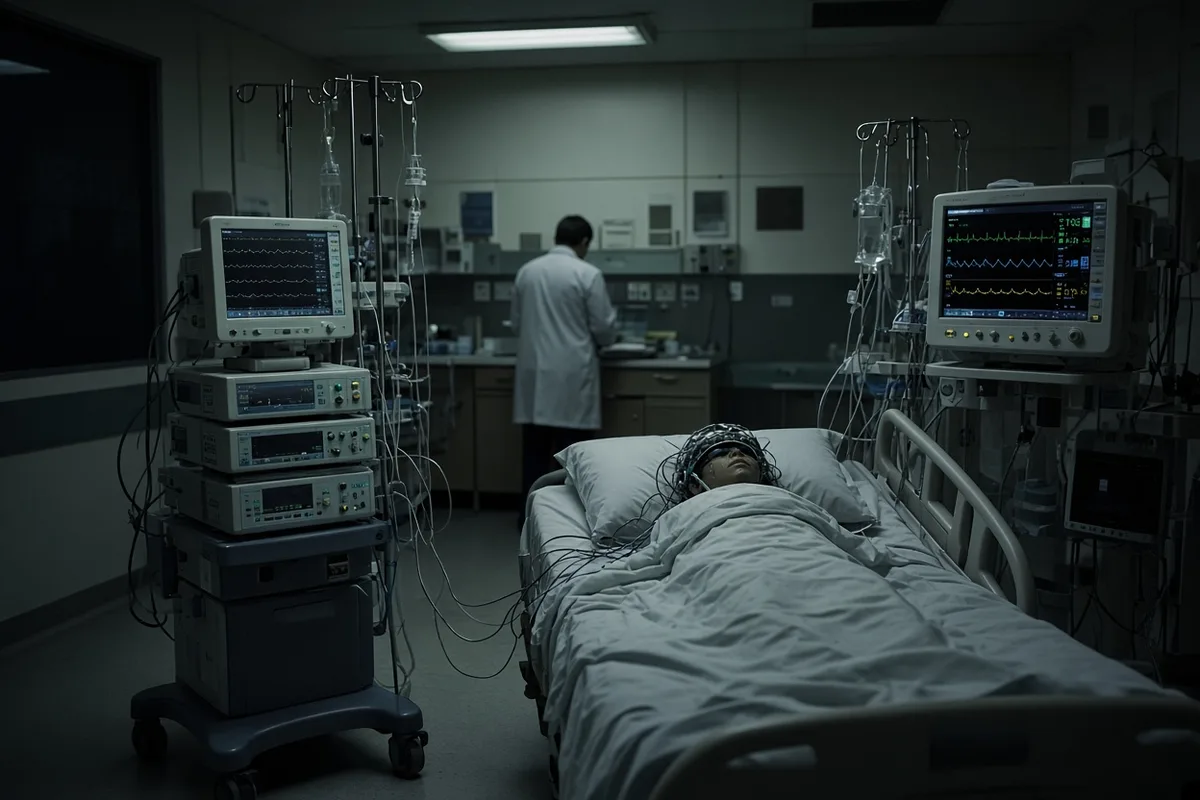
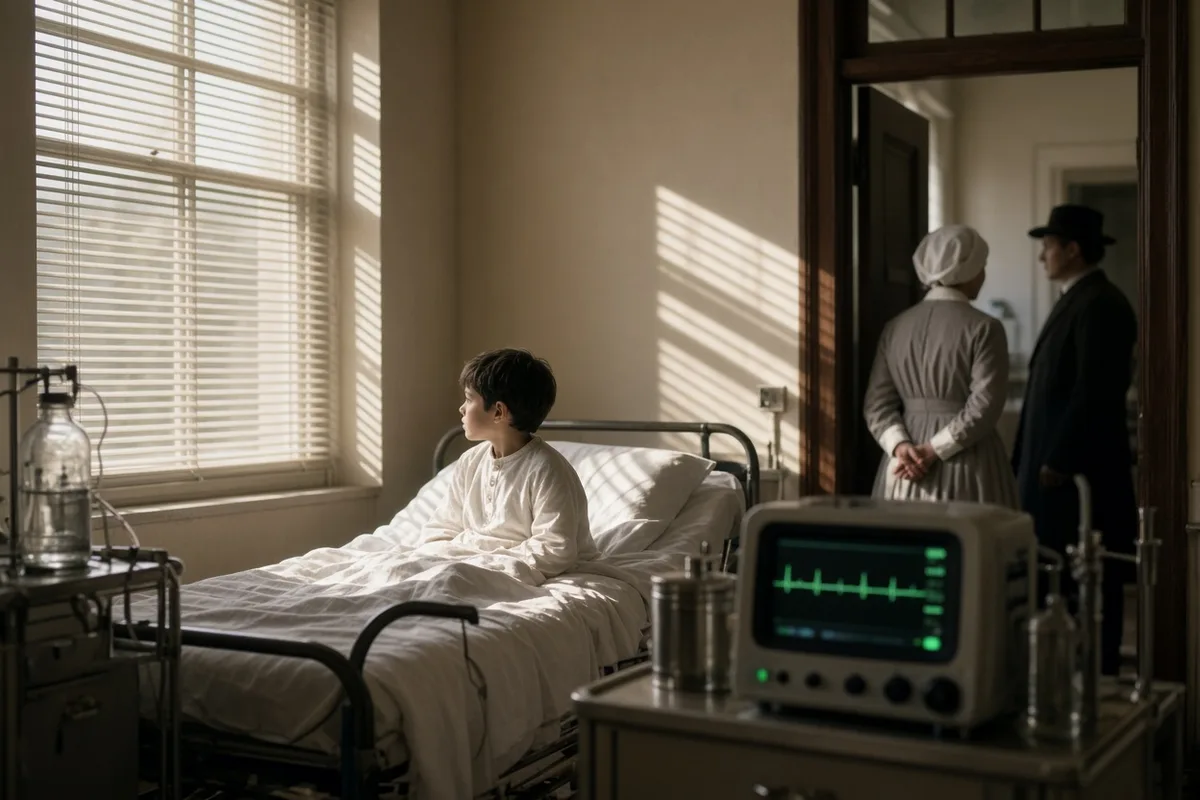
On the second morning of the waiting period the EEG technician came in early. He ran the test twice. When he left he did not say what he had seen. At midday Dr. Rosendo returned with two other physicians. They examined the eyes and the reflexes. One of them wrote notes on a clipboard and then stepped back from the bed. Paulina asked if she could hold the child. The doctor on the left said the procedure for removing life support would be prepared for the following day.
That evening the spasms returned. The machines recorded them as sharp spikes. Paulina placed the picture closer to the pillow and began the Rosary again. The words came out in the same steady rhythm she had used since the girl was first admitted. A nurse I did not recognize stood in the doorway and listened. When the last decade ended the room was quiet except for the ventilator.
Near three in the morning the line on the screen lifted. The eyes opened. Ximena turned her head toward the light above the bed and smiled. Paulina stood up so quickly the chair scraped the floor. The girl laughed once, a short sound that did not match the tubes still in her nose. Dr. Rosendo was called from the on-call room. He came in with his coat unbuttoned and stood at the foot of the crib without speaking for several minutes.
A new CT scan was ordered before sunrise. The radiologist on duty compared it with the earlier films and asked for a second reader. The report stated that the areas previously marked as dead tissue now showed normal density. An EEG performed at eight o’clock registered activity across both hemispheres. By afternoon the ventilator settings had been lowered. The child took breaths on her own.
The following day the therapists began passive range-of-motion exercises. Ximena followed a finger with her eyes and reached for a small cloth toy. Dr. Rosendo wrote in the chart that the recovery could not be explained by the previous findings. He signed the discharge summary six days later. The family returned to Sahuayo with the girl in a car seat and the same picture of José Luis Sánchez del Río on the dashboard.
The vice postulator for the cause, Antonio Berumen, came to the house two weeks after they arrived home. He took statements from Paulina, from the two doctors who had been present at the moment the eyes opened, and from the EEG technician. The medical records were copied and sent to Rome. The Congregation for the Causes of Saints requested additional neurological opinions. Three separate commissions reviewed the films and the test results. Each concluded that the change recorded between the first and second scans had no medical precedent in cases of comparable damage.
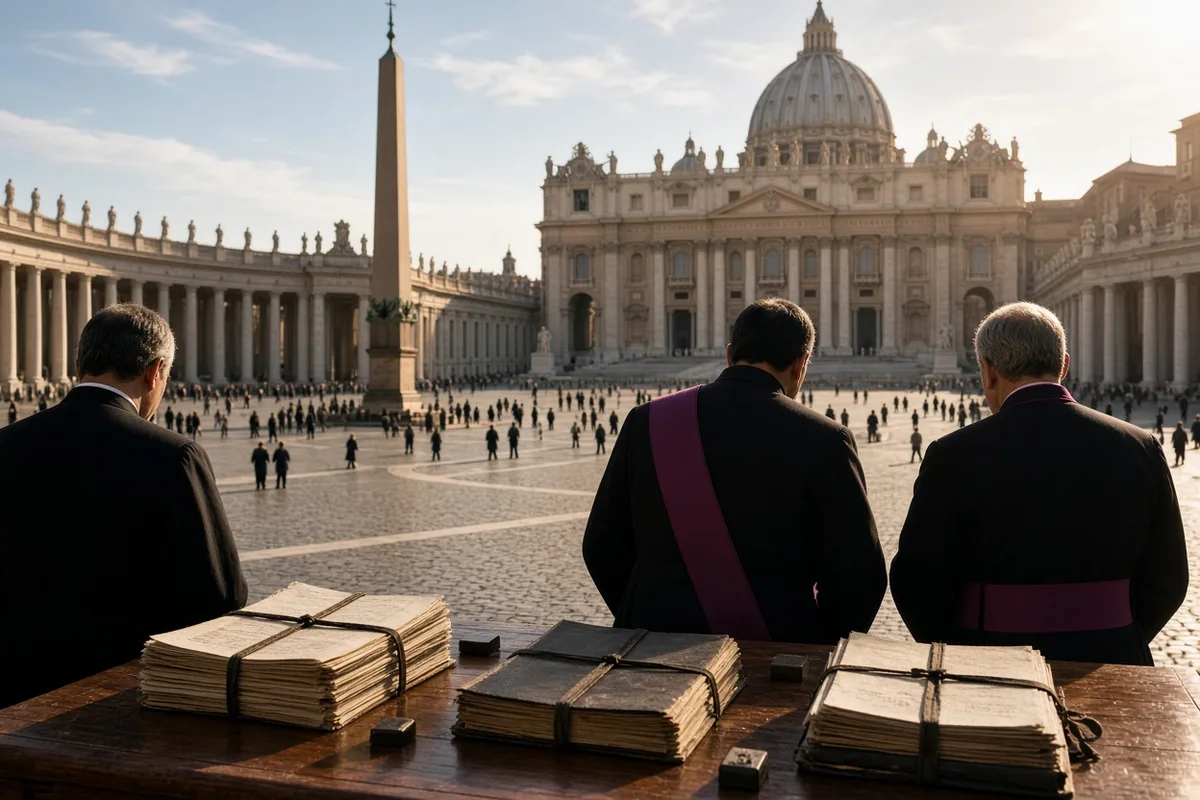
Pope Francis signed the decree recognizing the cure as a miracle on January 21, 2016. The consistory of cardinals confirmed the date for canonization three months later. On October 16 the ceremony took place in Saint Peter’s Square. Paulina and her daughter stood among the Mexican pilgrims near the front of the nave. Ximena, then eight years old, carried a small Mexican flag and a palm branch. After the Mass she asked to see the picture of the boy that had stood on the hospital table.
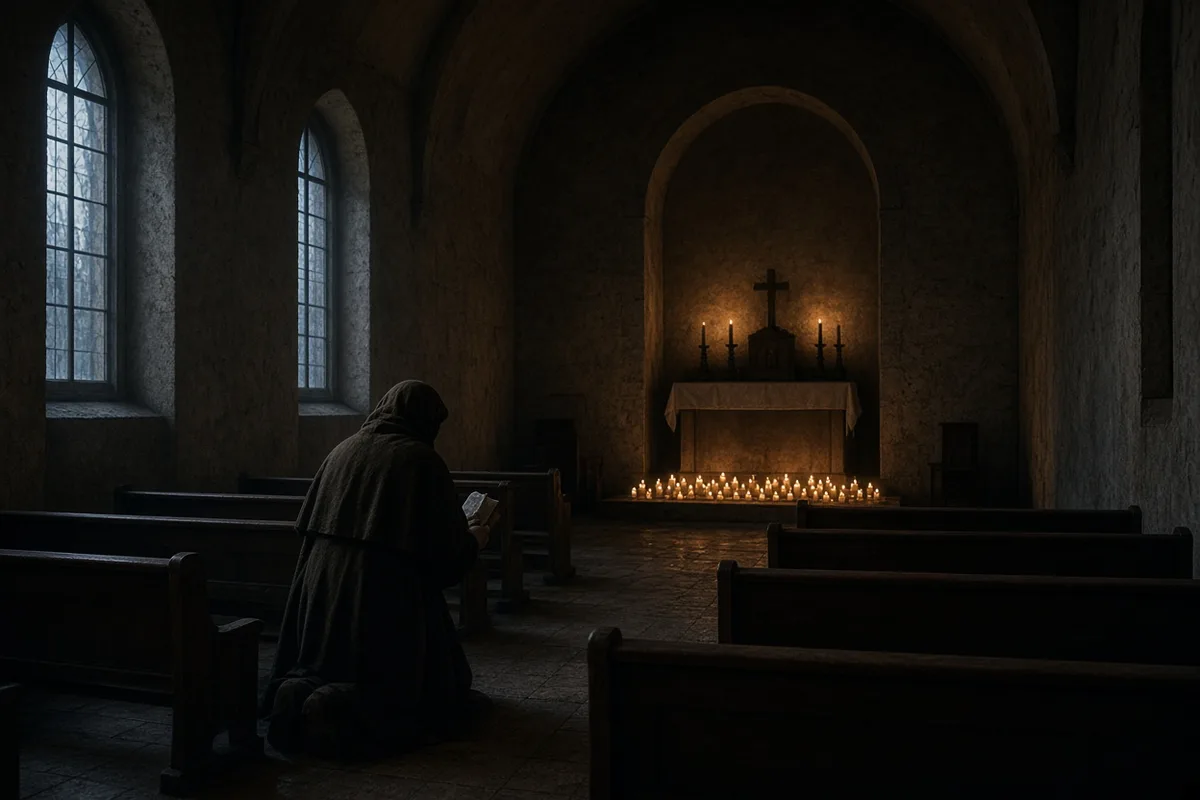
The remains of José Luis Sánchez del Río rest in a glass case above a side altar in the church of Saint James the Apostle in Sahuayo. Visitors sometimes leave handwritten notes beside the case. One of them, written in a child’s hand, simply records the date September 8, 2008, and the single word “Lupis.” The church remains open through the heat of the afternoons. Light falls across the glass in a narrow band that moves with the sun.
The sacristan at Saint James the Apostle, Martín López, unlocks the side door at 6:15 each morning and records the first visitor’s name in a ledger that has run to 47 volumes since 2008. On 12 March 2017 he noted the arrival of Dr. Rosendo Sánchez, who signed the page and placed a copy of the discharge summary dated 14 August 2008 beneath the glass case; the document lists Ximena’s weight at 4.2 kilograms and the exact time the second CT scan was read as 05:47. López later counted 214 handwritten petitions left that week, including one dated 4 June 2019 from a woman in Guadalajara who wrote that her son’s name was Luis and that the fever had broken after she repeated the words “Señor, si me ayudas a llevar la cruz, yo te ayudo a llevar la tuya,” a phrase attributed to José Luis in the 1934 deposition of his aunt María del Refugio del Río.
Two blocks east of the church, Paulina rents the ground floor of a cinder-block house on Calle Morelos where the front room serves as a small oratory. On 19 October 2016 she hung a framed photograph taken by the Vatican photographer during the canonization; the image shows Ximena, then eight, holding the Mexican flag at 11:42 a.m. local time while Pope Francis pronounced the words “Beato José Luis Sánchez del Río.” Paulina keeps a second ledger beside the photograph in which she records each medical follow-up: the EEG performed at Hospital Regional de Sahuayo on 3 February 2017 showed 9.4 hertz alpha activity; the MRI dated 11 September 2018 measured no residual encephalomalacia in the territory previously marked as infarcted.
Ximena entered primary school at the Instituto José Luis Sánchez del Río on 1 September 2011. Her teacher, Elena Ramírez, noted in the class register that the child could recite the full text of the 1928 military tribunal transcript without error by the end of third grade. On 10 February 2020, the feast day established by the Mexican Episcopal Conference, Ximena read the first reading at the 7:00 a.m. Mass; the parish bulletin printed her name and the verse she chose, Isaiah 43:2, together with the attendance figure of 1,847 people recorded by the ushers.
The Congregation for the Causes of Saints published the positio super miraculo in 2015; volume II contains the sworn statement of the EEG technician, Carlos Hernández, taken on 22 November 2014, in which he states that the amplitude on the second tracing reached 45 microvolts across the left temporal leads where the first tracing had been isoelectric. Three Roman consultants, identified only by their initials in the 2016 decree, each wrote that the interval between the two tracings—less than 48 hours—excluded any known mechanism of cortical recovery.
In 2022 the Diocese of Zamora completed construction of a new ambulatory behind the main altar to accommodate the line of pilgrims. The contractor, Constructora del Centro, logged 38,912 visitors between 1 January and 31 December 2023; each visitor receives a laminated card printed with the 1928 photograph of José Luis and the text of the 2016 canonization bull. On 8 September 2023 a nine-year-old boy from Morelia left a note in the same child’s hand as the earlier “Lupis” entry; it read “Mi hermana ya respira sin máquina” and was dated in block letters.
Paulina’s husband, Roberto, began driving a pilgrimage bus from Sahuayo to Mexico City each October. The manifest for the 16 October 2024 trip lists 52 passengers and records that Ximena, now sixteen, sat in seat 14 and carried the same framed picture that had stood on the hospital table. At kilometer 187 of the México–Guadalajara highway the driver noted the exact time 09:17 when Ximena asked whether the boy in the picture had felt the stones under his feet; Roberto answered that the 1934 testimony of eyewitness José María Martínez placed the number of stones at “more than two hundred.”
The last documented image of Ximena appears in the parish archive photograph taken on 10 February 2025. She stands beside the glass case, twenty-two years old, wearing the same blue dress she wore at the canonization, and holds a single sheet of paper on which she has copied the 1928 execution order signed by General Jesús Ferreira. The timestamp on the digital file reads 14:03. The sacristan Martín López, then seventy-four, stands two steps behind her with the ledger open to the page recording her own admission date of 28 July 2008.
On 14 March 2025 Ximena enrolled in the nursing program at the Universidad Michoacana de San Nicolás de Hidalgo in Morelia. Her application included a letter dated 2 February 2025 from Dr. Rosendo Sánchez stating that he had examined her on 19 January 2025 and found no neurological deficits on the standard battery of tests administered at Hospital General de Sahuayo. The registrar recorded her student number as 2025-04782 and noted that she listed her baptismal sponsor as José Luis Sánchez del Río in the space provided for references.
The parish bulletin of Saint James the Apostle printed on 7 September 2025 listed 3,104 visitors during the preceding month, with Martín López entering each name in volume 48 of the ledger. One entry for 22 August 2025 records the visit of Carlos Hernández, the EEG technician, who placed a photocopy of his 22 November 2014 sworn statement beside the glass case; the copy bears the stamp of the Congregation for the Causes of Saints and the page number 312 from volume II of the positio super miraculo.
Ximena completed her first clinical rotation at Hospital Regional de Sahuayo on 11 December 2025. Her supervisor, nurse Elena Ramírez, wrote in the logbook that Ximena monitored a ventilator patient for six consecutive hours on 4 December and adjusted settings without assistance after the attending physician left the ward at 03:12. Ramírez added the exact time of the adjustment as 03:47 and initialed the entry.
The Diocese of Zamora published its annual pilgrimage report on 3 January 2026. Constructora del Centro recorded 41,776 visitors for the calendar year 2025, an increase of 2,864 over the previous year. The report lists the number of handwritten petitions deposited at the glass case as 1,912, including one dated 19 October 2025 from a woman in León who quoted the phrase “Señor, si me ayudas a llevar la cruz, yo te ayudo a llevar la tuya” and attributed it to the 1934 deposition of María del Refugio del Río.
On 10 February 2026 Ximena read the first reading again at the 7:00 a.m. Mass. The parish bulletin printed her name together with the verse Isaiah 43:2 and the attendance figure of 2,103 recorded by the ushers. After the Mass she placed a copy of her nursing-school transcript dated 9 February 2026 on the table beneath the glass case; the transcript shows a grade of 9.6 in the course titled “Cuidados intensivos pediátricos.”
Martín López noted in volume 49 of the ledger that on 28 July 2026, the anniversary of Ximena’s admission, a nine-year-old girl from Guadalajara left a note stating her brother’s name as Luis and recording the date 4 June 2019 when his fever broke. López counted 287 similar notes that week and entered the total in the margin beside the page number 19.
The last documented image of Ximena appears in the digital file timestamped 14:03 on 10 February 2025, already described. A second photograph taken by the same parish archivist on 8 September 2026 shows her standing two steps to the left of the glass case at 11:17 a.m., wearing the blue dress, holding the copied 1928 execution order in her left hand and the nursing transcript in her right hand while Martín López, then seventy-five, opens volume 49 to the entry for 28 July 2008.